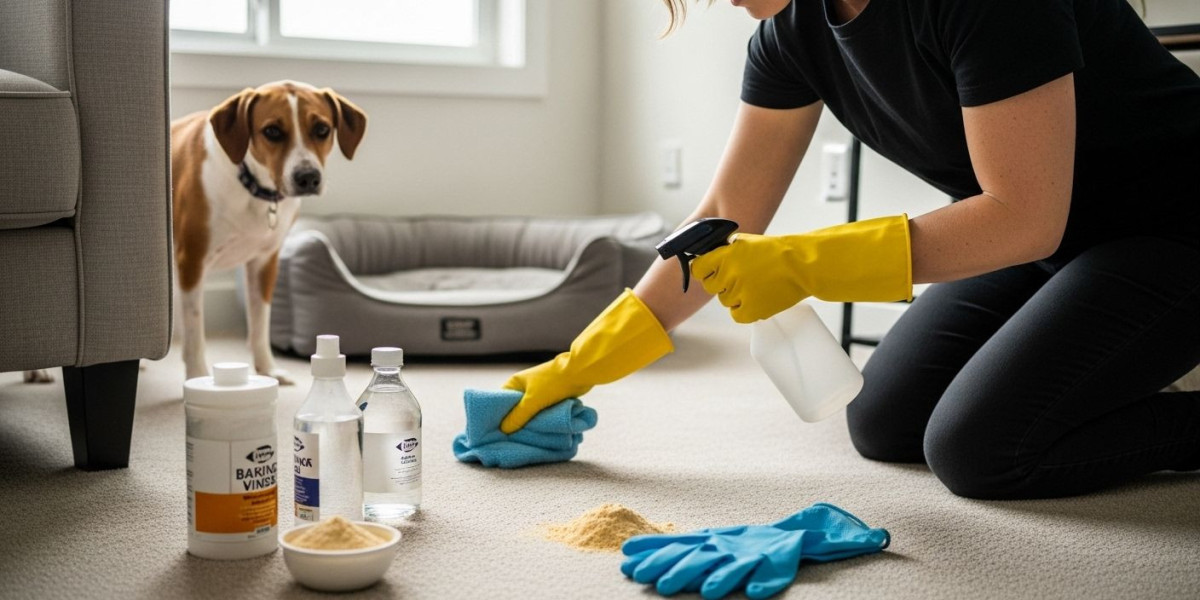

Understand Persistent Carpet Odors
Pet-related odors can become difficult to eliminate when accidents happen repeatedly in the same area. Liquid can move beneath the visible carpet fibers and remain within padding or other underlying materials. Because of this, simply applying a scented product may only provide temporary relief. Effective odor treatment should focus on identifying the affected areas and addressing the residue responsible for the unpleasant smell.
Examine the Carpet Before Treatment
Every carpet has different characteristics that influence how it should be cleaned. Fiber type, backing, age, previous treatments, and the amount of contamination can all affect the appropriate cleaning method. A careful inspection allows technicians to determine how deeply an odor has traveled. This helps prevent unnecessary moisture or unsuitable products from being used on carpets that require a more specific approach.
Respond to Accidents Quickly
Fresh pet accidents should be addressed as soon as possible. The longer moisture remains in carpet fibers, the greater the opportunity for residues to move deeper into the material. Businesses can benefit from having a clear procedure for dealing with new accidents, especially in pet-friendly workplaces, veterinary facilities, boarding businesses, and rental properties. Prompt action can make later deep cleaning more manageable.
Consider Professional Odor Treatment
Businesses searching for Commercial pet odor removal Chicago IL should consider the size of the property, carpet condition, frequency of accidents, and areas experiencing the strongest odors. Commercial environments often need a treatment plan that works around employees, customers, tenants, and operating hours. A professional assessment can help determine whether localized treatment is sufficient or whether larger sections require deeper cleaning.
Treat the Source Instead of Masking It
Strong fragrances may temporarily change how a room smells without actually removing the source of the odor. When residues remain inside carpet fibers or padding, the smell can return after the fragrance fades. A source-focused cleaning approach is more practical because it targets the material causing the odor. This can provide a cleaner environment without relying on heavy perfumes to cover unpleasant smells.
Reach Beneath the Surface
Pet accidents can sometimes travel through carpet and reach the padding underneath. If this happens repeatedly, surface cleaning alone may not provide a lasting improvement. Technicians may need to determine whether deeper layers have been affected and whether additional treatment is appropriate. Understanding the extent of contamination can prevent property owners from repeatedly cleaning the same surface while leaving the actual odor source untreated.
Select Appropriate Cleaning Methods
Professional Pet Odor Carpet Cleaning should be approached according to the carpet's material and condition. Different cleaning systems can provide different results, and the wrong combination of moisture, pressure, or cleaning solution may cause unnecessary problems. A qualified technician can select an appropriate method after examining the carpet. This individualized approach is particularly useful when dealing with delicate, older, or heavily affected carpeting.
Pay Attention to Repeated Accidents
Recurring accidents in one location may indicate more than a simple cleaning problem. Pets can sometimes return to previously contaminated areas because residual odors remain even when humans can no longer detect them easily. Businesses and property managers should monitor locations where accidents repeatedly occur. Professional treatment can help determine whether deeper contamination exists and whether those areas need additional attention.
Protect Carpets Between Treatments
Professional cleaning works best when supported by sensible daily maintenance. Businesses should vacuum regularly, remove visible debris, and respond promptly to new accidents. Staff members should also understand which spot-cleaning products are safe for the property's carpet. Keeping entrance areas clean can further reduce dirt being carried into the building. These practices can help reduce buildup and extend the useful life of commercial carpeting.
Plan Around Business Operations
Commercial carpet cleaning should be scheduled with the property's daily activities in mind. Evening, weekend, or low-traffic appointments may reduce disruption for employees and customers. Businesses should also consider drying time before allowing heavy foot traffic across recently treated areas. A planned schedule gives technicians enough time to complete the work properly while helping the property return to normal activity efficiently.
Evaluate Carpet Condition
Not every carpet can be restored indefinitely. Extensive staining, severe contamination, damaged backing, or deteriorated fibers may affect the potential results of cleaning. A professional assessment can help property owners understand whether treatment is worthwhile or whether replacement should be considered. Making this decision based on the carpet's actual condition can prevent unnecessary spending on repeated cleaning attempts that provide limited improvement.
Maintain a Fresh Environment
Odor control is an ongoing process when pets regularly use a commercial property. Consistent vacuuming, quick accident response, appropriate spot treatment, and scheduled deep cleaning can all contribute to better carpet conditions. Monitoring previously affected areas is also useful because returning odors may indicate deeper contamination. With practical maintenance and timely professional attention, businesses can keep their carpets cleaner and create a more pleasant environment for everyone using the property.