
Begin With a Masonry Assessment
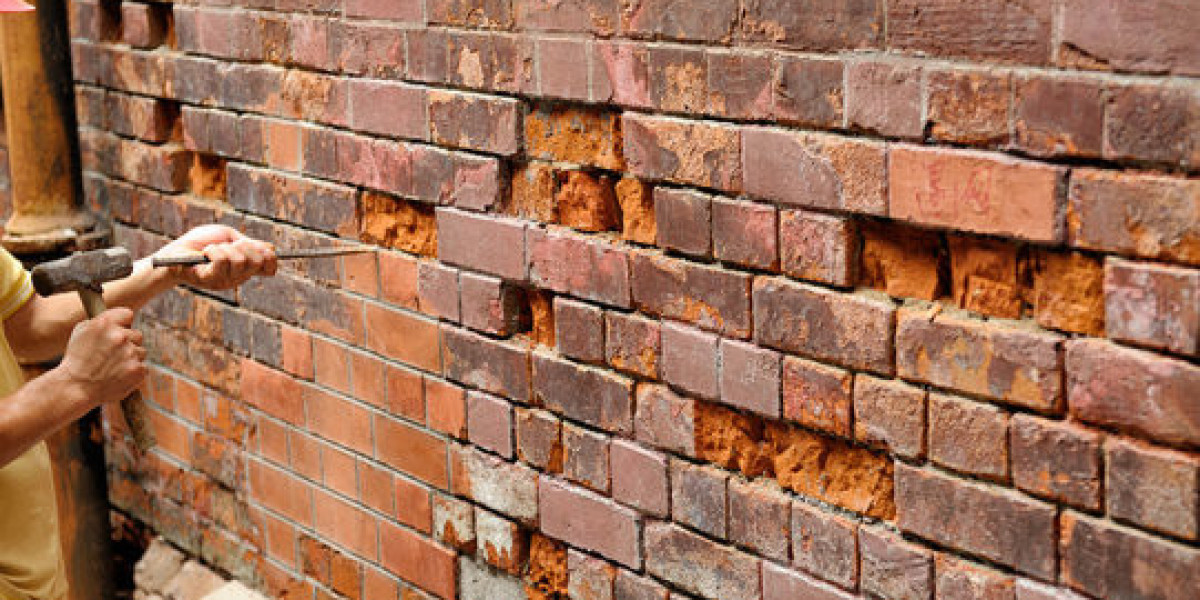
Brick homes can remain attractive and durable for decades, but weather exposure and age can gradually affect their exterior surfaces. Cracked bricks, deteriorating mortar, discoloration, and moisture penetration may indicate that attention is needed. A careful assessment helps identify the condition of the masonry before repairs begin, allowing property owners to understand which areas need restoration, repointing, replacement, or additional structural evaluation.
Watch for Deteriorating Mortar
Mortar joints play an important role in keeping individual masonry units connected and protecting the wall from water intrusion. When joints become cracked, recessed, or crumbly, moisture can find easier paths into the wall system. Repointing damaged joints can help restore the appearance and improve protection. The replacement mortar should also be compatible with the existing masonry to avoid creating additional stress.
Replace Damaged Bricks Carefully
Individual bricks can crack, chip, loosen, or deteriorate because of weather exposure and long-term wear. Replacing severely damaged units can help maintain the appearance and integrity of the wall. Matching the new brick with the existing color, texture, and size is important, particularly on older homes. Careful removal and installation can help the repaired section blend naturally with the surrounding masonry.
Consider Professional Restoration
When planning Expert Brick Restoration for Houses in Bronx NY, homeowners should consider the age, construction, condition, and architectural character of the property. Restoration may involve more than replacing visible bricks. Mortar joints, surrounding masonry, flashing, lintels, and moisture-related conditions may also deserve attention. Bronx restoration companies commonly provide brick repair, repointing, facade restoration, and related masonry services.
Address Moisture Early
Water is one of the major concerns for exterior masonry. Damaged mortar, open cracks, deteriorated flashing, and poorly managed drainage can allow moisture to enter areas where it should not. Over time, repeated exposure can contribute to staining, deterioration, and interior problems. Identifying possible entry points and correcting them early can help protect the masonry and reduce the likelihood of more extensive repairs.
Preserve the Home’s Appearance
Brick contributes significantly to a property's exterior character. Cleaning and restoration should therefore consider both structural performance and visual consistency. Aggressive cleaning methods may damage older masonry, so the treatment should be selected according to the brick and mortar condition. Thoughtful restoration can refresh an aging facade while preserving details that give the house its original appearance and architectural identity.
Inspect Related Exterior Features
Brickwork does not function independently from the rest of a building's exterior. Windows, doors, roof edges, gutters, flashing, lintels, stoops, and drainage systems can all influence masonry performance. If these surrounding components allow water to reach the wall, brick repairs may not provide a lasting solution. Looking at connected exterior elements can help identify conditions that could affect restored masonry later.
Plan Home Improvement Work Carefully
Masonry restoration may be part of a larger renovation project. Homeowners might also need exterior repairs, roofing improvements, windows, concrete work, painting, or interior upgrades. Planning related work together can make scheduling easier and help prevent recently completed surfaces from being damaged by later construction. A coordinated approach also allows homeowners to establish priorities and manage their improvement budget more effectively.
Choose Experienced Contractors
Experience matters when working on older brick properties because existing materials can have characteristics that differ from modern construction. Trusted Home Improvement Contractors Bronx NY can help homeowners coordinate restoration and other property upgrades according to the project's requirements. When selecting a contractor, homeowners should review experience, licensing where applicable, insurance, references, written estimates, and the specific scope of work before making a decision.
Review the Proposed Materials
Materials should be selected with the existing property in mind. Mortar color, brick texture, replacement units, sealants, and repair products can all affect the finished appearance and long-term performance. Using materials that are incompatible with older masonry may create unnecessary problems. Homeowners should ask contractors to explain why specific materials are being recommended and how they will interact with the existing structure.
Inspect Completed Repairs
After restoration work is finished, the repaired areas should be reviewed carefully. Homeowners can check whether replacement bricks blend with surrounding masonry, mortar joints appear consistent, and affected areas have been properly cleaned. Any remaining concerns should be discussed before the project is considered complete. A final review provides an opportunity to clarify maintenance recommendations and understand what should be monitored in the future.
Maintain the Restored Exterior
Restored brickwork still requires ongoing care. Gutters should remain clear, drainage should function properly, and visible cracks or deteriorating mortar should be addressed before they expand. Periodic visual inspections can help homeowners notice changes early. Keeping vegetation from constantly contacting masonry and avoiding inappropriate cleaning methods can also support the condition of the exterior.
Protect the Property for the Future
Brick restoration is most effective when repairs are combined with sensible maintenance and attention to related exterior systems. Early detection of deterioration can make projects more manageable, while suitable materials and skilled workmanship can support lasting results. With careful planning and regular observation, homeowners can preserve the appearance, durability, and character of their brick properties while addressing necessary improvements over time.