
Start With a Clear Project Plan
Every construction project benefits from careful planning before physical work begins. Property owners should consider the purpose of the project, expected materials, available space, timeline, and overall budget. A clear plan helps organize the work and reduces confusion once construction starts. It also allows contractors to identify possible challenges early, making the project easier to coordinate from beginning to completion.
Evaluate the Existing Site
Before adding or repairing any structure, the condition of the existing property should be considered. Ground conditions, drainage, surrounding structures, access points, and existing surfaces can all influence the work. A proper site evaluation helps determine what preparation may be required. This is especially important for exterior projects where the finished result depends heavily on a stable and properly prepared base.
Build Strong Concrete Surfaces
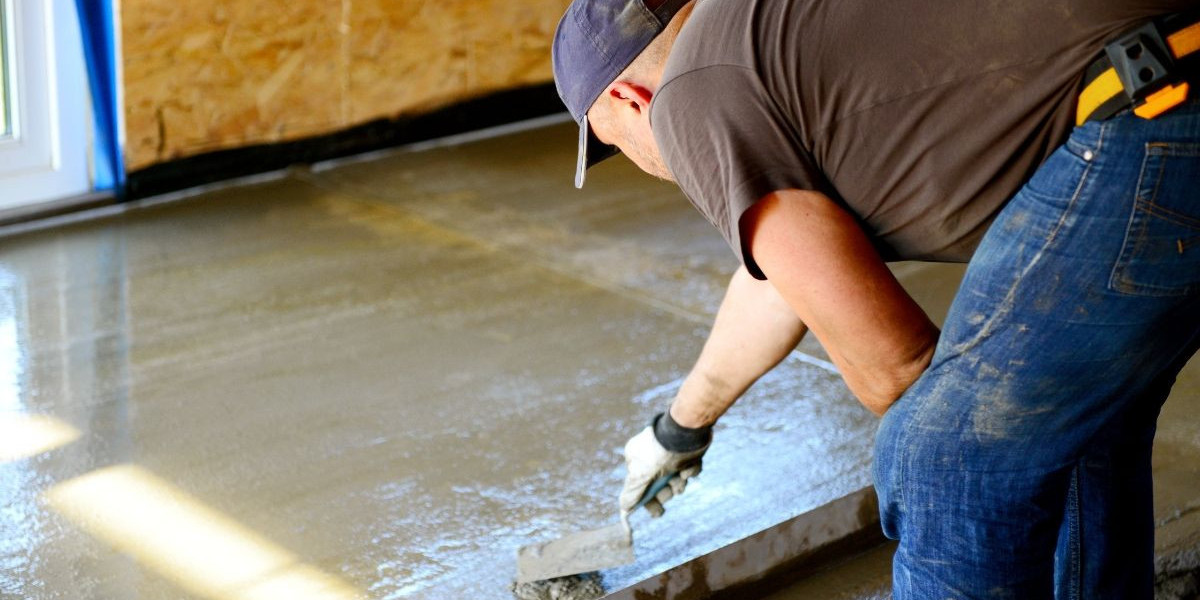
Concrete is commonly used for driveways, walkways, patios, foundations, steps, slabs, and other structural or outdoor features. Proper preparation plays an important role in the final result. The ground should be adequately prepared, forms should be positioned correctly, and the concrete should be placed and finished with care. Concrete contractors Bronx can help property owners approach these projects with suitable planning and construction techniques.
Consider Drainage and Water Flow
Water management should never be overlooked during exterior construction. Poor drainage can contribute to standing water, soil movement, surface deterioration, and other property concerns. Before installing new concrete or modifying outdoor areas, contractors can consider how rainwater will move across the site. Proper slopes, drainage solutions, and surface planning can help protect newly constructed areas from unnecessary moisture-related problems.
Choose Materials Carefully
The quality and suitability of construction materials can influence durability, appearance, and maintenance requirements. Materials should be selected according to the project's purpose, expected traffic, weather exposure, and surrounding design. Using the right materials from the beginning can help reduce premature deterioration. Property owners should discuss available options with their contractor and understand why a particular material is being recommended for their specific project.
Prepare for Residential Improvements
Home improvement projects can involve additions, remodeling, exterior upgrades, repairs, or structural changes. Each project requires attention to existing construction and the way new work will connect with the property. Careful measurements and preparation can help create a more consistent finished result. Homeowners should also establish project priorities before work begins so important improvements receive appropriate attention within the available budget.
Manage Commercial Construction
Commercial projects often involve additional planning because businesses must consider employees, customers, deliveries, equipment, and daily operations. Construction may need to be scheduled around working hours or divided into phases to reduce disruption. A dependable construction team can coordinate materials, labor, site access, and project milestones. Good communication throughout the process helps keep everyone informed about progress and changing requirements.
Focus on Workmanship
Quality workmanship involves more than completing a project quickly. Surfaces should be properly prepared, measurements should be accurate, materials should be handled correctly, and finished areas should receive appropriate attention. Small construction mistakes can become more noticeable over time. Choosing experienced Construction company Bronx NY professionals can give property owners access to organized project management and practical knowledge for different construction requirements.
Think About Long-Term Durability
A newly completed project should be evaluated according to how well it is expected to perform over time. Outdoor surfaces may experience changing temperatures, precipitation, heavy use, and natural movement. Interior improvements can face daily wear from occupants. Considering durability during the planning stage can help property owners avoid decisions based solely on immediate appearance and instead create improvements that remain useful for years.
Keep Communication Consistent
Communication between property owners and contractors can make construction projects easier to manage. Changes to materials, schedules, designs, or site conditions should be discussed before adjustments are made. Property owners should also ask questions when they do not understand a particular stage of the work. Clear communication helps prevent misunderstandings and gives everyone a shared understanding of project expectations.
Inspect Work Before Completion
A final review provides an opportunity to examine completed areas carefully. Property owners can look for visible surface issues, unfinished details, drainage concerns, damaged materials, or other items that may require attention. Contractors can also review the completed work and explain maintenance recommendations. Completing this step before the project is considered finished can help ensure that outstanding concerns are identified and addressed.
Maintain Finished Areas
Construction does not end when workers leave the property. Concrete and other finished surfaces still require suitable maintenance to preserve their condition. Cleaning, addressing small cracks or damage promptly, controlling drainage, and avoiding unnecessary stress can help extend the useful life of improvements. Property owners should follow any care recommendations provided for the specific materials used during construction.
Plan for Lasting Results
Successful construction combines preparation, suitable materials, skilled workmanship, communication, and ongoing maintenance. Whether a project involves a new outdoor surface, structural improvement, commercial development, or residential upgrade, thoughtful planning can make the process more manageable. By focusing on both immediate needs and long-term performance, property owners can create improvements that add practical value while supporting the durability and appearance of the overall property.