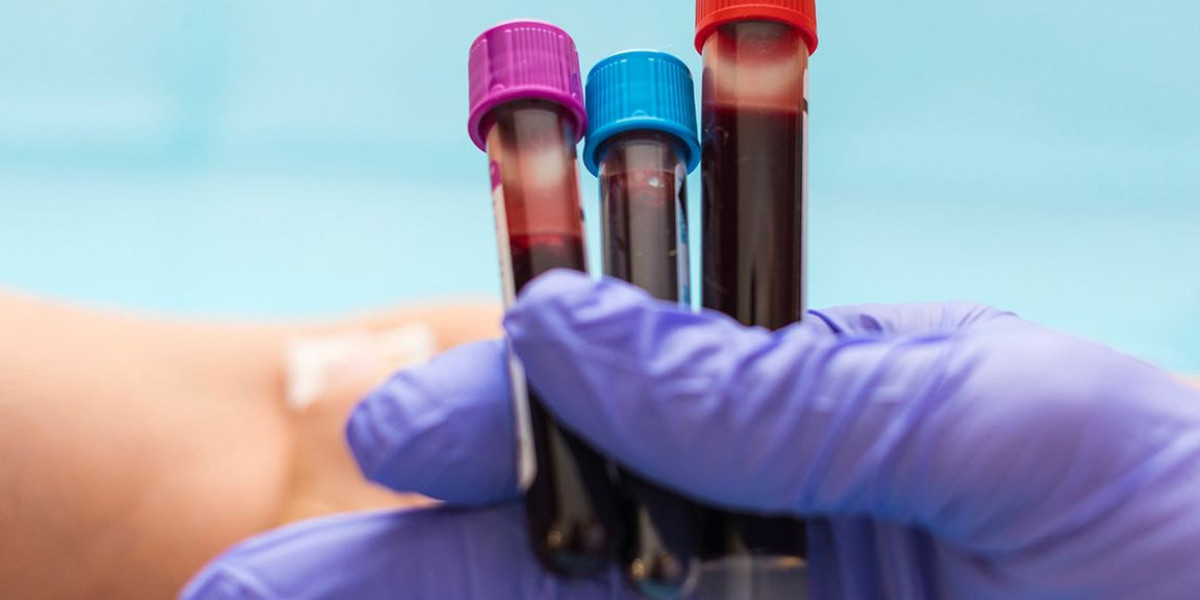

A blood test is not only something you get when you are seriously ill. It can be used to investigate unexplained symptoms, monitor an existing health condition, check how a treatment is working, or screen for certain health risks.
Because blood contains cells, proteins, hormones, nutrients, electrolytes, and other substances, laboratory testing can provide useful clues about different parts of the body. But knowing when a blood test is actually appropriate can be confusing.
Should you get one when you feel tired? What about unexplained weight changes, frequent infections, or dizziness? And do healthy people need routine blood work?
The answer depends on your symptoms, medical history, risk factors, and the type of Blood test in Dubai being considered.
The First Question: Why Might You Need Blood Work?
A healthcare professional may recommend a blood test for several different reasons.
Blood testing can be used to:
Investigate unexplained symptoms
Screen for certain health conditions
Monitor an existing disease
Check organ function
Evaluate nutritional status
Monitor medications
Assess cardiovascular or metabolic risk
Follow changes in a health condition over time
The important point is that there is no universal blood test that checks everything. Doctors select tests based on the specific question they are trying to answer.
Persistent Fatigue That Does Not Improve:
Everyone feels tired occasionally. Lack of sleep, stress, demanding physical activity, and a busy schedule can all cause temporary fatigue.
However, persistent or unexplained tiredness may deserve medical evaluation, particularly when it continues despite adequate rest.
Depending on the circumstances, a healthcare professional may consider blood tests that evaluate blood cell counts, iron status, thyroid function, blood glucose, vitamin levels, or other markers.
For example, anemia can contribute to fatigue, while thyroid disorders and abnormal blood sugar can also produce changes in energy levels.
Fatigue has many possible causes, so blood work is only one part of the evaluation.
Unexplained Changes in Body Weight:
Unexpected weight loss or weight gain can sometimes be associated with an underlying health problem.
Unintentional weight loss may occur because of nutritional problems, metabolic conditions, gastrointestinal disorders, chronic illness, or other causes.
Unexpected weight gain can also have several explanations, including changes in diet, activity, fluid retention, medications, and hormonal conditions.
Depending on your symptoms and medical history, a doctor may order blood glucose testing, thyroid tests, blood counts, kidney or liver tests, or other investigations.
Significant or persistent unexplained weight changes should be discussed with a healthcare professional rather than self-diagnosed through laboratory testing.
Frequent Thirst or Urination:
Persistent excessive thirst or unusually frequent urination can have many causes.
One condition doctors may investigate is diabetes, because elevated blood glucose can increase thirst and urination.
Blood glucose and A1C testing can provide information about blood sugar levels and longer-term glucose control.
These symptoms can also occur for reasons unrelated to diabetes, so appropriate medical evaluation is important.
Repeated Dizziness, Weakness, or Lightheadedness:
Occasional dizziness can happen for relatively simple reasons, such as dehydration or standing up quickly.
Repeated or unexplained episodes, however, may require evaluation.
Blood tests may sometimes help investigate anemia, blood glucose abnormalities, electrolyte disturbances, or other possible contributors.
A blood test cannot explain every type of dizziness. Blood pressure assessment, medication review, heart evaluation, neurological assessment, and other investigations may also be necessary depending on the symptoms.
Changes in Skin Color or Appearance:
Certain visible changes can sometimes prompt blood testing.
For example, yellowing of the skin or eyes, known as jaundice, can be associated with increased bilirubin and problems involving the liver, bile ducts, or breakdown of red blood cells.
A healthcare professional may order bilirubin and other liver-related blood tests to investigate the cause.
Other changes in skin appearance may have completely different explanations, so testing should be guided by a proper medical assessment.
Symptoms That May Point to Thyroid Problems:
The thyroid gland plays an important role in regulating metabolism.
Symptoms such as persistent fatigue, unexplained weight changes, sensitivity to heat or cold, changes in heart rate, or other unexplained physical changes may lead a doctor to consider thyroid testing.
Thyroid-stimulating hormone, or TSH, is commonly measured, and additional thyroid hormone tests may be ordered when appropriate.
These symptoms are not specific to thyroid disease, which is why laboratory findings need to be interpreted alongside the rest of your health information.
Signs That May Suggest a Nutritional Deficiency:
Blood testing may be appropriate when symptoms or medical history raise concern about a nutritional deficiency.
Iron deficiency, for example, can contribute to anemia and may be investigated through a combination of blood count and iron studies.
Vitamin B12 and folate levels may also be checked in selected situations.
The need for testing depends on factors such as diet, symptoms, certain medical conditions, absorption problems, and other risk factors.
Taking supplements without identifying the underlying problem is not always the best approach. Testing and professional advice can help determine whether supplementation is appropriate.
You Have a Chronic Health Condition:
People with certain chronic diseases may need regular blood tests to monitor their condition.
For example, people with diabetes may have periodic blood glucose and A1C testing. Individuals with kidney disease may require monitoring of kidney function and electrolytes.
People with certain liver conditions may need liver-related blood tests, while those taking particular medications may need laboratory monitoring to assess safety and effectiveness.
The frequency of testing varies widely and should be determined by the treating healthcare professional.
You Take Medications That Require Monitoring:
Some medicines can affect organs, blood cells, electrolytes, or other biological processes.
Depending on the medication, doctors may recommend periodic blood work to monitor kidney function, liver function, blood counts, drug levels, or other markers.
Never stop or change prescription medication simply because you are concerned about a blood test result. Speak with your healthcare professional first.
You Are Due for Preventive Health Screening:
Blood testing can sometimes form part of preventive healthcare.
Depending on your age, risk factors, family history, and existing health conditions, a healthcare professional may recommend tests that assess cholesterol, blood glucose, or other health markers.
Routine testing is not identical for everyone. A healthy person without symptoms does not necessarily need every available laboratory test.
Good preventive care focuses on tests that are appropriate for the individual's circumstances.
What Blood Tests Can Commonly Check
When blood work is recommended, the exact tests vary according to the reason for testing.
A healthcare professional may consider:
Complete Blood Count:
A CBC measures red blood cells, white blood cells, hemoglobin, hematocrit, and platelets. It can help investigate anemia, infection, and certain blood-related abnormalities.
Blood Glucose and A1C:
These tests provide information about blood sugar and can be used to screen for or monitor diabetes.
Lipid Panel:
A lipid panel measures cholesterol and triglycerides and can contribute to an assessment of cardiovascular risk.
Liver Function Tests:
Liver-related blood tests measure enzymes and substances such as ALT, AST, bilirubin, and albumin.
Kidney Function Tests:
Creatinine and eGFR are commonly used to evaluate kidney filtration, while electrolytes may provide additional information.
Thyroid Tests:
TSH and, when appropriate, thyroid hormone tests can help evaluate thyroid function.
Additional laboratory testing may be appropriate depending on symptoms and medical history.
Do You Always Need to Fast?
No.
Some blood tests require fasting, while many can be performed without it. The requirement depends on the specific tests ordered.
If fasting is necessary, your healthcare provider or laboratory should provide instructions about when to stop eating and whether water is permitted.
Do not assume that fasting is required for every blood test, and do not stop medications unless your healthcare professional tells you to.
What Happens When You Get a Blood Test?
During a routine blood draw, a healthcare professional usually collects a small amount of blood from a vein, often in the arm.
The skin is cleaned, a sterile needle is inserted, and the blood is collected into one or more tubes.
The process generally takes only a few minutes. You may experience a brief pinch or mild discomfort, and a small bruise can occasionally develop afterward.
If you are nervous about needles or have previously felt faint during blood collection, tell the healthcare professional before the procedure.
When Blood Testing May Not Be Enough?
A blood test is an important diagnostic tool, but it cannot identify every medical problem.
Some conditions are better evaluated with imaging, urine tests, physical examination, specialist assessment, or other diagnostic procedures.
Likewise, a normal blood test does not guarantee that you are completely healthy.
Doctors use laboratory testing as one component of a broader clinical assessment.
How Urgent Are Your Symptoms?
Not every symptom requires immediate blood testing.
Mild symptoms that resolve quickly may not require laboratory investigation. Persistent, unexplained, worsening, or recurrent symptoms deserve more attention.
Some symptoms, however, require urgent medical evaluation rather than waiting for a routine blood test. Severe chest pain, difficulty breathing, sudden confusion, fainting, severe weakness, or other serious symptoms should be assessed promptly.
The appropriate response depends on the nature and severity of the symptoms.
What If Your Blood Test Results Are Abnormal?
An abnormal laboratory result does not automatically mean that you have a disease.
Results can be influenced by hydration, recent food intake, exercise, stress, medications, supplements, recent illness, and normal biological variation.
Doctors may repeat a test, compare it with previous results, or order additional investigations.
Avoid interpreting one abnormal number in isolation. The meaning of a result depends on the specific marker and your overall clinical situation.
How Often Should You Get Blood Work?
There is no single schedule that applies to everyone.
Some people may need blood tests only when symptoms arise or as part of periodic preventive care. Others may require frequent monitoring because of a chronic condition or medication.
Your healthcare professional can determine an appropriate testing schedule based on your personal risk factors and health needs.
The Bottom Line:
You may need a blood Lab tests when you have persistent or unexplained symptoms, need monitoring for an existing condition, take medications requiring laboratory checks, or are due for appropriate preventive screening.
Fatigue, unexplained weight changes, repeated dizziness, excessive thirst, unusual skin changes, and symptoms associated with possible thyroid or nutritional problems are examples of situations where blood work may be considered.
But symptoms alone do not determine which test you need. The right approach is to discuss persistent or concerning changes with a healthcare professional, who can decide whether blood testing or another form of evaluation is appropriate.
Blood tests are most valuable when they answer a specific health question and are interpreted in the context of the whole person.
Frequently Asked Questions:
Should healthy people get blood tests?
Some healthy people may benefit from blood testing as part of recommended preventive care, depending on age and risk factors. However, routine testing is not the same for everyone.
What symptoms mean I should get a blood test?
Persistent fatigue, unexplained weight changes, repeated dizziness, unusual thirst or urination, certain skin changes, and other unexplained symptoms may lead a doctor to consider blood testing. The appropriate tests depend on the individual situation.
Can a blood test detect a serious illness?
Blood tests can provide clues about many health conditions, but they cannot detect every disease. Some conditions require imaging, physical examination, specialized testing, or other diagnostic methods.
How long does a blood test take?
The blood collection itself usually takes only a few minutes. The time required to receive results depends on the type of test and the laboratory.
Can I eat before a blood test?
It depends on the tests ordered. Some require fasting, while others do not. Follow the specific preparation instructions provided by your healthcare professional or laboratory.
Should I be worried about an abnormal result?
Not necessarily. An abnormal result can have many explanations and does not automatically indicate disease. Your doctor can determine whether the result needs repeat testing or further investigation.