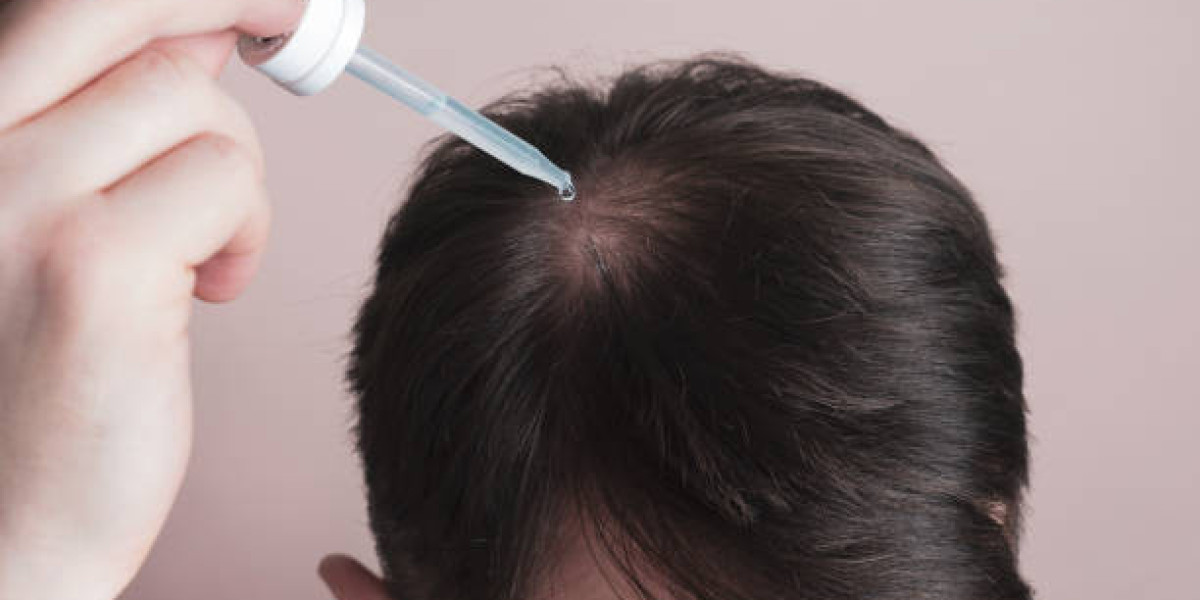

GFC Hair Treatment in Riyadh has gained attention as a regenerative approach designed to support healthier-looking hair and improve the overall condition of the scalp. Understanding real treatment experiences can help individuals develop realistic expectations and make informed decisions about whether GFC therapy may suit their hair restoration goals.
Understanding GFC Hair Treatment
GFC, or Growth Factor Concentrate therapy, uses growth factors derived from the patient’s own blood to support the scalp environment. People researching a gfc hair plasma clinic in riyadh often want to understand how the procedure works, what kind of results may be possible, and whether it can help with their particular type of hair thinning. The treatment is generally focused on supporting weakened follicles and encouraging healthier hair growth.
How GFC Supports Hair Health
Growth factors play an important role in tissue repair and cellular activity. During GFC treatment, concentrated growth factors are prepared and introduced into targeted areas of the scalp. This approach is intended to create a supportive environment around existing hair follicles, potentially helping improve follicular activity and hair quality over time.
Why Individual Results Can Differ
Every person's hair loss pattern, follicle condition, age, lifestyle, and underlying factors are different. For this reason, success stories should be viewed as examples of possible treatment experiences rather than guarantees. A thorough scalp assessment is important for determining whether GFC therapy is appropriate and what outcomes may reasonably be expected.
What Success Stories Can Reveal
Treatment experiences can provide useful insight into how people perceive changes after undergoing regenerative hair therapy. Many individuals seek treatment when they notice increased shedding, reduced density, or gradual thinning. Over time, successful experiences may involve improvements in hair appearance, scalp coverage, and the perceived strength of existing strands.
Changes in Hair Density
One of the most important goals for individuals undergoing GFC therapy is improving the appearance of hair density. When follicles respond positively, patients may gradually notice that previously thin areas appear healthier and more filled in. However, these changes generally require patience because hair grows through natural cycles.
Improvements in Hair Quality
Success is not always measured only by the number of visible hairs. Some people may also notice changes in the texture, thickness, or overall appearance of their existing hair. Supporting weakened follicles can potentially contribute to stronger-looking strands and a healthier-looking scalp.
The Importance of Realistic Expectations
Hair restoration is a gradual process, and regenerative treatments do not produce identical results for everyone. Patients should understand that visible changes may take time and that the outcome depends on factors such as the extent of hair loss and the condition of the follicles.
Why Patience Matters
Hair follicles follow a natural growth cycle, meaning improvements may become noticeable progressively rather than immediately. Following the recommended treatment and aftercare plan can help support the best possible response. Regular follow-up assessments may also help monitor changes in hair and scalp condition.
Who May Consider GFC Therapy?
GFC treatment may be considered by individuals experiencing certain forms of hair thinning or weakened hair follicles. A professional evaluation can help identify the likely cause of hair loss and determine whether regenerative therapy is suitable. Treating the underlying concern is an important part of achieving meaningful long-term hair goals.
Choosing the Right Hair Treatment Approach
Selecting a suitable hair restoration treatment involves more than looking at success stories. Patients should consider the treatment technique, clinical standards, consultation process, and personalized approach offered by the facility. A proper assessment allows treatment plans to be tailored according to individual scalp and hair concerns.
Personalized Evaluation
A personalized consultation can help evaluate hair density, scalp condition, shedding patterns, and follicular health. This information can guide the treatment approach and provide a clearer understanding of what results may be realistic.
Professional Aftercare
Aftercare is another important component of the overall experience. Following professional recommendations regarding scalp care and daily activities can help maintain a suitable environment for recovery and ongoing hair health.
FAQs
What is GFC Hair Treatment in Riyadh?
GFC hair treatment is a regenerative hair therapy that uses concentrated growth factors prepared from the patient's own blood and introduced into targeted areas of the scalp to support hair follicle health.
How long does it take to see GFC hair treatment results?
Hair growth is naturally gradual, so visible changes may take time. The timeline varies depending on the individual's hair condition, follicle health, and response to treatment.
Can GFC treatment help with thinning hair?
GFC therapy may be suitable for certain types of hair thinning, particularly when viable hair follicles remain. A professional scalp assessment is necessary to determine suitability.
Are GFC hair treatment results permanent?
Results vary between individuals, and GFC therapy does not guarantee permanent hair restoration. Hair loss can have multiple causes, so maintaining healthy hair and addressing contributing factors remains important.
Is GFC treatment suitable for everyone?
Not necessarily. Suitability depends on the individual's hair loss pattern, scalp health, medical background, and follicular condition. Professional consultation is recommended before treatment.
Consultation at Enfield Royal Clinic
If you are exploring regenerative options for hair thinning, Enfield Royal Clinic can provide a personalized consultation to assess your scalp and discuss whether GFC therapy aligns with your hair restoration goals. A professional evaluation can help you understand the treatment process and develop realistic expectations for your individual journey.