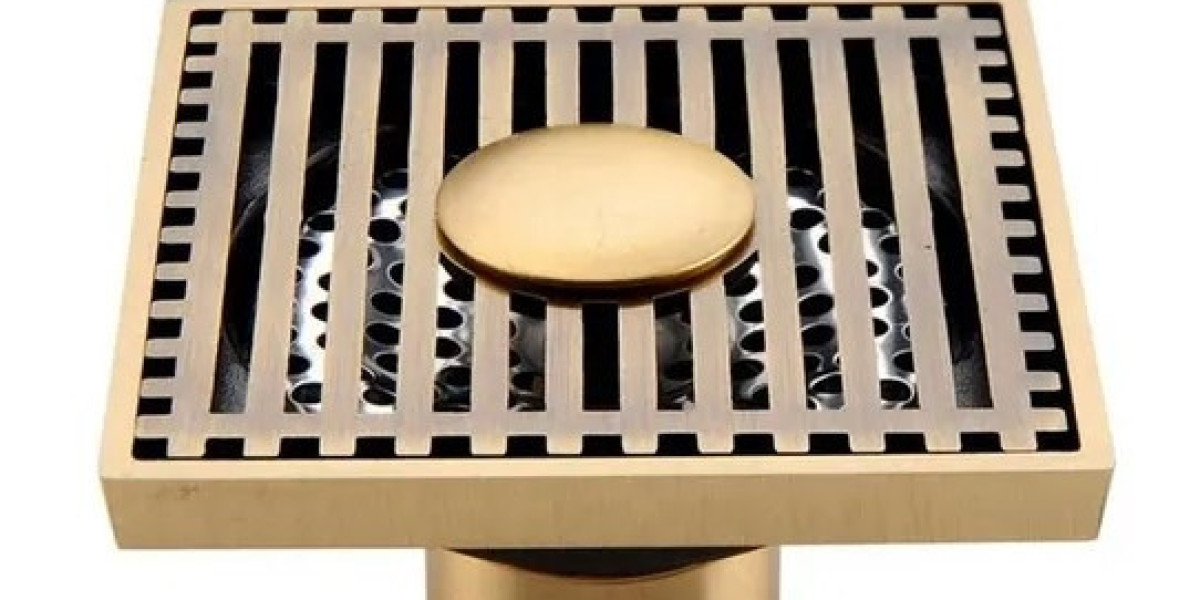

When bathroom design needs both practical water management and a distinctive finishing detail, material selection becomes an important part of the planning process. Choosing experienced brass floor drain manufacturers can help buyers explore drainage solutions suited to different interior environments, while reliable brass floor drain manufacturers can provide options that balance structural requirements with visual coordination. Brass floor drains are particularly suitable for projects where the drainage component needs to complement surrounding fixtures, tiles, and architectural details without becoming an unnecessary visual distraction.
Why Brass Works Well in Modern Wet Areas
Brass has long been valued for its combination of practical characteristics and attractive appearance. In bathroom environments, the material can provide a substantial feel that works well with both contemporary and traditional interior concepts.
Its warm metallic character can complement a wide range of finishes. Depending on the surrounding design, brass can create a subtle contrast against stone, ceramic tile, concrete-inspired surfaces, or darker flooring.
This makes brass drainage components useful for projects where small hardware details are part of the overall design language.
Material selection should still be based on the actual installation environment. Buyers need to consider exposure conditions, cleaning routines, water management requirements, and compatibility with the surrounding construction materials.
Rather than selecting a floor drain only because of its appearance, project teams can evaluate how its material and structure fit the complete wet-area design.
This approach helps connect decorative choices with practical construction requirements.
Coordinating Brass Drains With Interior Finishes
A floor drain occupies a relatively small area, but its position can influence the visual balance of a bathroom. When the drain finish coordinates with faucets, shower hardware, handles, or other metallic details, the room can achieve a more consistent appearance.
Brass provides designers with an additional material option when creating this kind of coordinated interior.
For example, a warm-toned brass detail can introduce visual depth into a neutral bathroom. It can also create contrast in spaces dominated by white, gray, stone, or wood-inspired finishes.
Drain dimensions and placement should be reviewed together with tile patterns. A poorly positioned drain may interrupt the rhythm of a floor layout, while thoughtful placement can make the component feel naturally integrated.
Project teams can therefore review floor plans, tile sizes, and drainage locations before installation.
This type of early coordination is especially useful for customized bathrooms, hospitality projects, and other spaces where interior consistency matters.
Betterdrain for Practical Project Selection
Selecting a drainage product for a construction project involves several practical questions. Buyers may need to consider available dimensions, drainage connections, installation depth, surface finish, and maintenance requirements.
Different buildings can also create different demands. A private bathroom may have a relatively simple layout, while a commercial project may require multiple drainage points with consistent specifications.
Clear product information can make these decisions easier. When dimensions and installation details are available, contractors can compare the product with project drawings before construction begins.
Purchasing teams may also benefit from considering long-term availability. If multiple rooms use similar drainage specifications, consistent sourcing can simplify procurement and future replacement planning.
At the same time, each installation should be checked individually. Existing pipe positions, floor construction, and available installation space may vary from one location to another.
A practical selection process therefore combines product specifications with actual site conditions.
Designing for Everyday Maintenance
Drainage performance is only one part of long-term bathroom usability. Maintenance also deserves attention, especially in areas that experience frequent water flow and daily use.
Hair, soap residue, and other debris can enter drainage systems over time. Regular cleaning can help keep the drainage path functioning properly and reduce unnecessary buildup.
When evaluating a floor drain, users can consider how easily accessible components are for inspection and cleaning. Convenient access can make routine maintenance less disruptive.
The visible surface should also remain compatible with the surrounding floor. A well-coordinated finish can help the drain retain its appearance as the bathroom continues to be used.
Cleaning methods should be suitable for the material and finish. Avoiding unnecessarily aggressive treatment can help preserve the intended surface appearance.
For facility managers and homeowners, simple maintenance habits can make a difference over the long term. A drainage component should be considered part of the complete bathroom maintenance plan rather than an isolated fixture.
Choosing Drainage for Long-Term Design Value
A bathroom project should ideally remain visually coherent after years of everyday use. This makes material quality, installation planning, and maintenance all relevant when choosing drainage components.
Brass can be an appealing option for projects that want a stronger material presence without relying on oversized decorative elements. Its distinctive appearance allows a relatively small component to contribute to the room's overall character.
However, successful installation depends on more than material choice. Drainage position, floor slope, waterproofing, pipe connections, and finished floor levels should all be coordinated during construction.
For renovation projects, existing conditions should be measured carefully before selecting the final product. New construction may offer greater freedom, but early planning is still useful for avoiding unnecessary changes later.
A thoughtful drainage strategy can combine visual appeal with practical functionality. By considering material, installation, cleaning, and overall interior coordination together, buyers can make choices that fit the real needs of their projects.For more information about brass drainage solutions and related floor drain options, visit https://www.betterdrain.cn