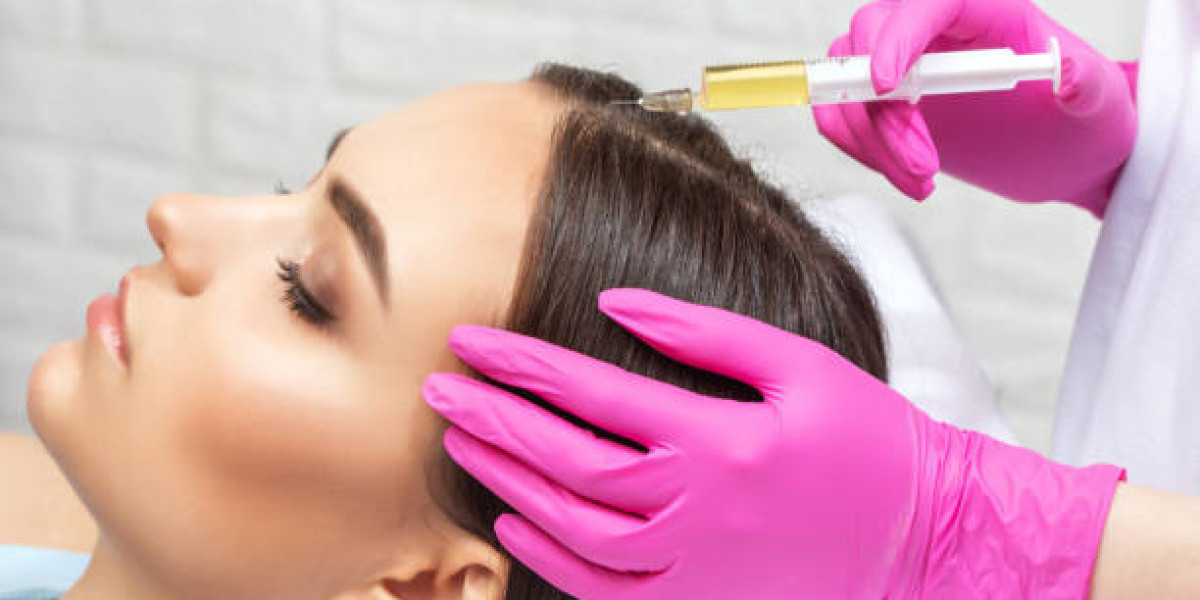

While one treatment may provide meaningful improvement, combining complementary approaches can sometimes offer a more comprehensive strategy for managing hair thinning. PRP Hair Treatment in Riyadh is increasingly considered alongside other hair restoration options because it uses concentrated platelets from the patient’s own blood to support the scalp environment and encourage healthier hair growth.
Why Combine PRP With Other Hair Loss Treatments?
PRP therapy works by concentrating growth factors found in blood platelets and delivering them into selected areas of the scalp. These growth factors may support tissue repair, improve the scalp environment, and stimulate weakened hair follicles. However, hair loss is not the same for every person, so combining PRP with another suitable approach may help address different contributing factors. People researching prp treatment price in riyadh should also focus on understanding the treatment plan, suitability, and expected results rather than considering price alone.
Understanding Individual Hair Loss Patterns
The right combination depends on the underlying cause, degree of thinning, scalp condition, and overall hair health. A personalized assessment can help determine whether PRP may be paired with topical therapies, nutritional support, laser-based approaches, or other medically appropriate treatments. This individualized approach helps ensure that each part of the treatment plan has a clear purpose.
PRP and Topical Hair Treatments
Topical hair-growth medications may be recommended for certain forms of hair loss. When appropriate, these treatments can work alongside PRP by targeting hair follicles through different mechanisms. PRP focuses on delivering concentrated growth factors into the scalp, while topical treatments may help maintain follicle activity and support ongoing hair growth.
Why Consistency Matters
Hair restoration generally requires patience because follicles follow natural growth cycles. Combining treatments does not necessarily produce immediate results. Following the recommended schedule and maintaining appropriate scalp care can be important for achieving and preserving improvements over time.
Combining PRP With Laser Hair Therapy
Low-level laser therapy is another approach sometimes used for hair thinning. It is designed to expose the scalp to controlled light energy that may support cellular activity around hair follicles. When clinically appropriate, laser therapy and PRP can be incorporated into a broader hair restoration plan, allowing different techniques to address scalp and follicle health from complementary perspectives.
Supporting Scalp and Follicle Health
Healthy hair growth depends on more than stimulating individual follicles. Scalp condition, circulation, inflammation, nutrition, and general health can all influence hair quality. A combined approach may therefore include recommendations for improving scalp care and addressing lifestyle or nutritional factors that could contribute to excessive shedding.
PRP Before or Alongside Hair Transplantation
For individuals with advanced hair loss, a hair transplant may be considered when sufficient donor hair is available. PRP may sometimes be used as part of a broader hair restoration strategy before or after transplantation. Its potential role can include supporting the scalp environment and helping transplanted or existing follicles during the recovery and growth phases.
Setting Realistic Hair Restoration Expectations
Combining treatments should not be viewed as a guarantee of complete hair regrowth. Results vary depending on the cause and severity of hair loss, follicle health, age, genetics, and treatment adherence. A realistic treatment plan focuses on improving hair density, reducing visible thinning, and supporting healthier-looking hair where possible.
Is a Combined Hair Loss Treatment Right for You?
A professional evaluation is an important first step before combining therapies. The scalp and hair can be assessed to identify patterns of thinning and determine whether PRP is appropriate. In some cases, additional investigations may be recommended to identify factors such as nutritional deficiencies or hormonal issues. This helps create a treatment strategy based on individual needs rather than using the same combination for everyone.
Frequently Asked Questions
Can PRP be combined with other hair loss treatments?
Yes, PRP may be combined with certain topical, laser-based, nutritional, or surgical hair restoration approaches when medically appropriate. The combination should be selected according to the individual’s condition.
How long does it take to see results from combined treatments?
Hair growth occurs gradually, so visible changes generally require time. The timeline varies depending on the treatment combination, the cause of hair loss, and individual follicle response.
Is PRP suitable for every type of hair loss?
No. PRP may be more appropriate for some forms of hair thinning than others. An assessment can help determine whether it is a suitable option.
Can PRP be used with a hair transplant?
PRP may be incorporated into some hair restoration plans involving transplantation. Its use and timing should be determined according to the individual’s needs and clinical assessment.
How can I choose the right hair loss treatment?
The most suitable approach depends on the cause, pattern, severity, and progression of hair loss. Professional evaluation can help identify an appropriate and personalized strategy.
Consultation at Enfield Royal Clinic
If you are experiencing hair thinning and want to explore a personalized approach, Enfield Royal Clinic can help you understand available hair restoration options. A consultation can assess your hair and scalp condition and determine whether PRP combined with other suitable treatments may fit your individual goals.