
An entrance can become surprisingly busy. People arrive carrying bags, pushing carts, moving between rooms, or simply trying to get through quickly. Electric Sliding Doors are designed around these situations, replacing the need to reach for a handle before entering. A sensor detects activity near the doorway, and the automatic operator moves the panels sideways.
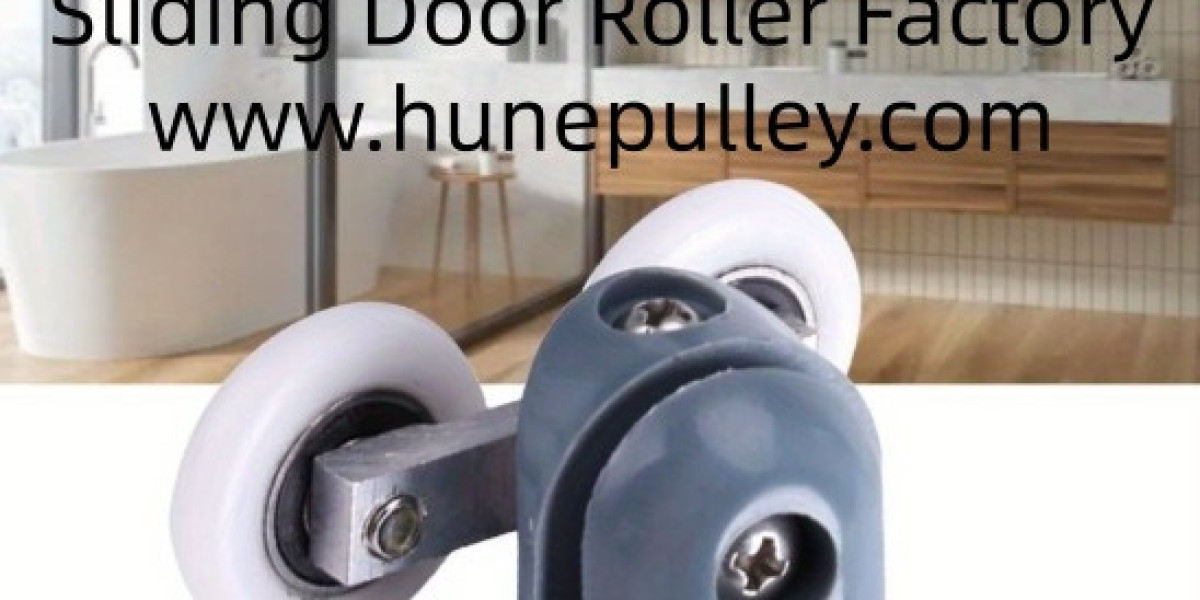
The sliding action is what gives these doors their distinctive character. Instead of rotating around hinges, the panels travel along a track. The operator uses a motor and transmission system to move them, while rollers support the panels and help guide their movement. The controller coordinates the sequence from opening to closing.
For spaces with narrow circulation areas, Electric Sliding Doors can be a practical architectural choice. Since the panels move beside the entrance rather than swinging across the floor, furniture, displays, or pedestrian routes can be arranged differently around the doorway. This can be useful in stores, offices, apartment lobbies, restaurants, and other frequently used spaces.
Sensors provide the door with information about its surroundings. Some systems detect approaching movement, while safety sensors can monitor the doorway during operation. If an object remains in the passage area, the controller can respond according to its programmed logic instead of simply continuing the closing cycle.
The type of door panel matters too. Clear glass creates an open visual connection between spaces, while framed panels can provide a different architectural appearance. Single-slide and bi-parting configurations offer different opening patterns. The available wall area and required passage width can influence which arrangement makes sense.
Motor selection is connected to panel weight and movement requirements. A heavier door requires a drive system capable of producing suitable force. The operator also needs to control acceleration and deceleration so the panels move in a predictable manner rather than jolting into motion.
Access control adds another dimension. An Electric Sliding Doors system can receive signals from access readers, buttons, remote controls, or building management equipment. This allows automatic movement to become part of a larger entrance strategy rather than functioning as an isolated door.
Noise can also matter in places where people spend a lot of time. Roller construction, track geometry, motor operation, and panel alignment all influence the sound produced during movement. Designers therefore need to consider the complete mechanical system rather than the motor alone.
What makes Electric Sliding Doors interesting is the way several ordinary components cooperate. A sensor notices movement, a controller interprets the signal, and a motor turns that instruction into motion. The door simply slides open, but behind that quiet movement is a carefully coordinated mechanical and electronic system.