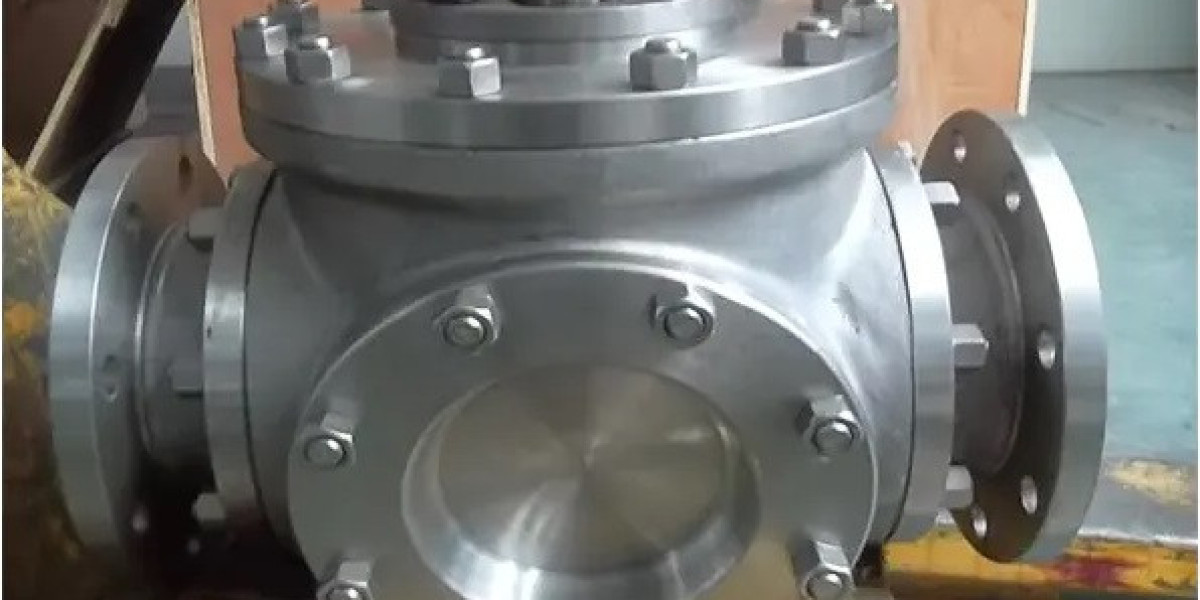

A valve may look like a relatively simple component, but its performance can have a major influence on the safety and reliability of an entire fluid system. When the working environment involves seawater, moisture, pressure, or corrosive media, material selection becomes especially important. This is where an aluminum bronze valve earns serious consideration.Get more news about aluminum bronze valve,you can vist our website!
Aluminum bronze is a copper-based alloy containing aluminum, often with additional elements such as iron, nickel, or manganese. The combination gives the material a useful balance of mechanical strength, corrosion resistance, and wear performance. In my view, that balance is one of the biggest reasons aluminum bronze valves continue to have a place in demanding industrial applications.
Excellent Corrosion Resistance
One of the most noticeable characteristics of an aluminum bronze valve is its resistance to corrosion. The alloy naturally forms a protective oxide layer on its surface, helping it withstand aggressive environmental conditions better than many conventional valve materials.
This characteristic is particularly valuable in marine systems. Seawater can be harsh on metal components, especially when equipment is exposed continuously for long periods. Aluminum bronze has a strong reputation in marine applications because it can provide dependable resistance to seawater-related corrosion.
The same advantage can be useful in cooling-water systems, offshore equipment, shipbuilding, desalination facilities, and other installations where moisture is unavoidable. For equipment expected to operate for years rather than months, this resistance can translate into lower maintenance requirements and a longer service life.
Strong Mechanical Performance
Corrosion resistance alone is not enough for a good industrial valve. The valve body, stem, and other working components must also cope with pressure, mechanical stress, vibration, and repeated operation.
Aluminum bronze offers impressive mechanical strength for a copper alloy. It can maintain its structural integrity under demanding service conditions while also providing good toughness. This makes it suitable for applications where a valve cannot afford to become a weak point in the piping system.
Another practical benefit is its resistance to wear. Valve components can experience repeated movement and contact during opening and closing. A material that handles this mechanical action effectively can help reduce premature deterioration.
From a practical perspective, I think this combination of strength and wear resistance is often more important than simply choosing the cheapest valve available. A low initial purchase price means little if frequent replacement creates additional labor and downtime.
Reliable Sealing and Smooth Operation
An aluminum bronze valve can be designed in several configurations, including gate, globe, check, ball, and other valve styles. The appropriate design depends on the application, flow requirements, pressure conditions, and operating method.
Regardless of the design, accurate machining is essential. Valve seats and sealing surfaces need to be manufactured carefully so that the valve can control or shut off the flow effectively. Poor machining or an unsuitable sealing arrangement can undermine the advantages of even a high-quality alloy.
A well-manufactured aluminum bronze valve should provide consistent operation without excessive resistance. For manually operated equipment, this can make routine adjustments easier. In automated systems, reliable mechanical movement also contributes to stable actuator performance.
Where Aluminum Bronze Valves Are Commonly Used
The material's properties make aluminum bronze valves suitable for a broad range of applications. Marine piping is one of the most obvious examples, but it is certainly not the only one.
These valves can also be considered for offshore platforms, shipbuilding systems, seawater circulation, industrial cooling systems, water treatment equipment, power generation facilities, and selected chemical processing environments.
However, material compatibility should never be assumed simply because a valve is made from aluminum bronze. Different fluids and operating conditions can produce very different results. Temperature, pressure, flow velocity, chemical concentration, and galvanic interactions with surrounding components should all be evaluated before selecting a valve.
What I Would Look for When Buying
If I were selecting an aluminum bronze valve for an industrial project, I would pay attention to more than the alloy name stamped on the product. The actual composition, manufacturing quality, pressure rating, dimensions, connection type, sealing materials, and inspection standards all matter.
Casting quality is especially important for valve bodies. Internal defects can become serious problems when a component operates under pressure. Precise machining is equally important because sealing surfaces and moving parts need to work together accurately.
I would also look at the manufacturer's experience. A company that understands aluminum bronze casting, machining, pressure testing, and valve assembly is generally better positioned to produce consistent products than a supplier simply adding the alloy to its catalog.
Documentation is another useful indicator. Material certificates, pressure-test records, dimensional inspection reports, and relevant compliance information can make procurement decisions much easier, particularly for critical industrial installations.
A Practical Balance of Cost and Performance
Aluminum bronze valves are not necessarily the cheapest option, and that is not always a disadvantage. Industrial purchasing should consider total operating cost rather than focusing only on the initial price.
A valve with better corrosion resistance and longer service life may reduce replacement frequency, maintenance labor, and unexpected downtime. In harsh environments, these factors can quickly become more expensive than the original component.
That said, aluminum bronze is not a universal solution. For certain fluids, temperatures, pressures, or specialized chemical conditions, another alloy may be more appropriate. Good engineering practice means matching the material to the actual service environment rather than choosing based on reputation alone.