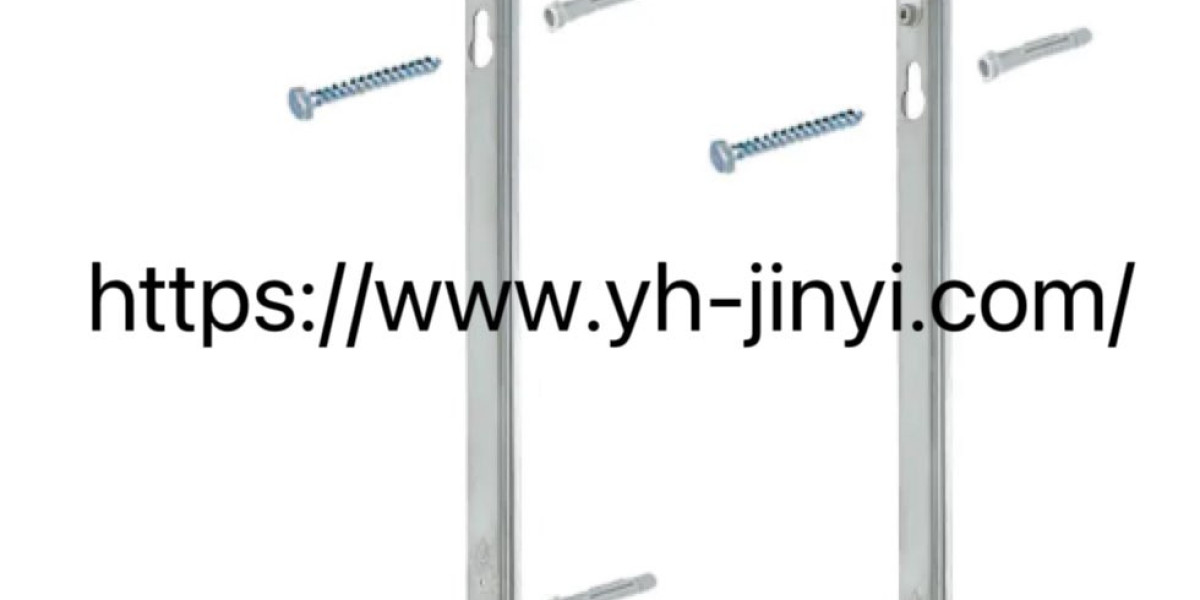

Radiator Support Bracket selection should begin with the actual requirements of the installation rather than appearance or price alone. Buyers need to consider dimensions, mounting points, material, load conditions, surface treatment, and production consistency. A clear understanding of these factors can make supplier communication easier and help purchasers select hardware that corresponds with their equipment structure.
Begin With Precise Measurements
Accurate measurements are essential when purchasing metal mounting components. Buyers should prepare information about overall length, width, thickness, hole diameter, hole spacing, bending angles, and fixing locations.
If the component will replace an existing part, a technical drawing or physical sample can provide useful references. These materials allow manufacturers to understand the required geometry more clearly and reduce the chance of differences between the requested specification and the manufactured item.
Tolerance requirements should also be discussed when precise alignment is necessary. Even a small dimensional variation may affect the connection between two components, particularly when several fixing points need to align during installation.
Review Load Requirements
The expected equipment weight should be considered before selecting a suitable design. Buyers can provide information about the load, mounting direction, fixing method, and surrounding structure so the manufacturer can evaluate the appropriate configuration.
Different applications may require different shapes, thicknesses, reinforcement methods, or connection arrangements. A component designed for one installation environment may not be appropriate for another, even when the overall appearance is similar.
Providing application details at the beginning of the purchasing process can therefore make technical discussions more productive and help avoid unnecessary modifications later.
Compare Material Options
The operating environment should influence material selection. Steel can be considered when rigidity and structural strength are important. Aluminum may be suitable when lower weight is preferred, while stainless steel can be considered for applications exposed to moisture.
Buyers should also review the available surface treatments. Coatings and finishing processes can influence appearance and resistance to environmental exposure. The correct option depends on the surrounding conditions, expected service period, cleaning requirements, and project specifications.
Instead of selecting material based solely on cost, buyers should compare material characteristics with the actual application requirements.
Check Mounting Compatibility
Compatibility involves more than matching the general shape. Buyers should compare hole patterns, fixing points, installation orientation, available clearance, and fastening methods with the existing equipment.
It is also helpful to confirm whether additional screws, washers, protective pads, or adjustment components are needed. Knowing these details before production can make installation planning more predictable.
For customized orders, drawings are particularly useful because they can show critical dimensions, hole locations, angles, and tolerances in a format that production teams can reference during manufacturing.
Consider Customization Capability
Not every project can use an off-the-shelf specification. Distributors, equipment manufacturers, and engineering companies may require different dimensions, thicknesses, hole patterns, surface finishes, packaging methods, or product markings.
yh-jinyi offers customized metal hardware production based on customer drawings or samples. Its product information covers materials such as steel, stainless steel, aluminum, and brass, providing buyers with options for different project requirements. yh-jinyi official website
Before placing an order, buyers can communicate the required material, dimensions, quantity, finishing, packaging, and other technical details. Clear documentation helps both parties establish the same production reference.
Examine Quality Control
Quality inspection should be included in the supplier evaluation process. Buyers can ask how raw materials are checked, how dimensional accuracy is monitored, and how finished products are inspected before shipment.
Sample approval is useful for larger purchasing programs. A sample allows buyers to examine dimensions, surface condition, hole positioning, bending accuracy, and overall workmanship before confirming a larger production quantity.
For repeat orders, consistent specifications are especially important. Buyers should keep approved drawings and technical requirements available so future production can follow the same reference.
Review Packaging and Delivery
Metal hardware needs suitable packaging during transportation. Buyers should discuss carton specifications, protective materials, product labeling, pallet requirements, and moisture protection when necessary.
For international purchasing, delivery arrangements should also be confirmed in advance. Production schedules, shipping quantities, documentation, and packaging marks can all influence warehouse handling and project planning.
A clear agreement about these details can reduce communication problems between manufacturers, distributors, and end users.
Evaluate the Supplier as a Whole
Unit price is only one part of a purchasing decision. Buyers should compare material choices, manufacturing capabilities, customization options, inspection procedures, packaging, communication, and delivery arrangements together.
A supplier with clear technical communication can make it easier to manage drawings, samples, revisions, and repeat orders. This is particularly relevant for businesses purchasing metal components for multiple projects or maintaining long-term product lines.
Before confirming an order, buyers can prepare a specification sheet covering dimensions, material, load conditions, mounting details, finish, quantity, packaging, and inspection requirements. This provides a practical framework for comparing suppliers and identifying differences between quotations. Buyers interested in customized metal hardware and related products can visit https://www.yh-jinyi.com/product/ to review available options and discuss project specifications with yh-jinyi.