
Families and childcare businesses often look for furniture that can adapt to changing daily routines instead of serving only one limited purpose. When choosing products for this market, a dependable Multifunction Baby High Chair Supplier can provide designs that support feeding, sitting, and other everyday activities, while a flexible Multifunction Baby High Chair Supplier can also help buyers explore practical configurations for different customer needs. Multifunctional seating is increasingly relevant because children grow quickly and household routines change with them. By combining adjustable features, stable construction, convenient cleaning, and adaptable functions, a well-designed chair can provide greater usability throughout different stages of early childhood.
Adapting to Different Daily Activities
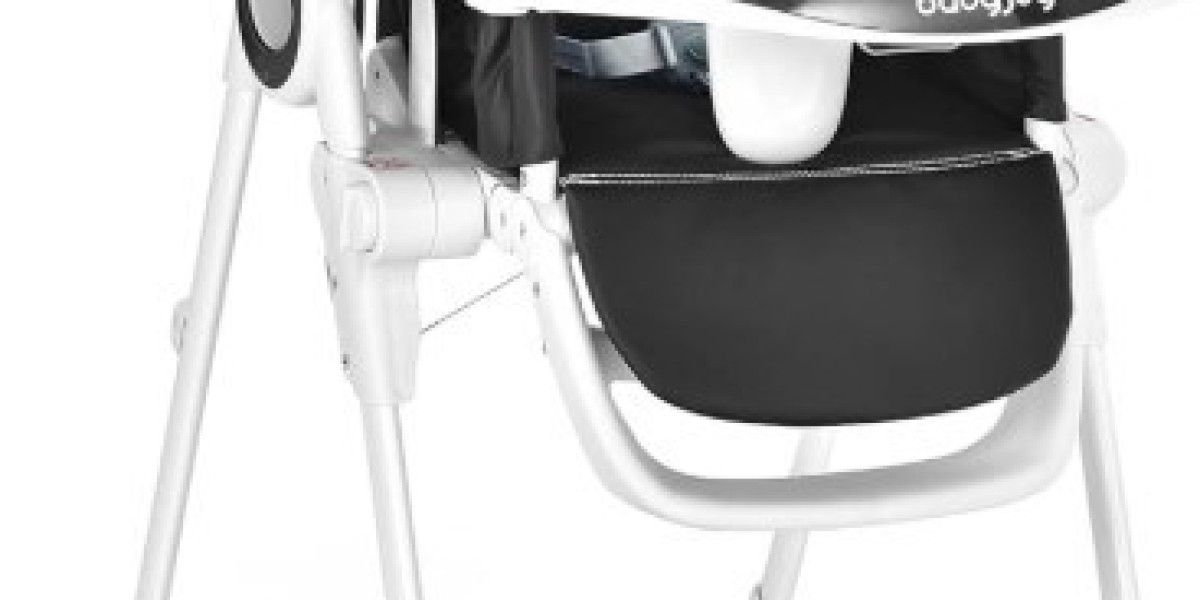
A multifunction baby high chair is designed to support more than a single mealtime function. Depending on its structure, the chair may provide a practical place for feeding, supervised sitting, simple activities, or other age-appropriate daily routines.
This flexibility can be useful for families with limited space. Instead of adding separate furniture pieces for every activity, an adaptable chair can help create a more organized environment.
For childcare facilities, multifunctional designs may also improve space management. Furniture that supports several routine activities can reduce the need to frequently move children between different seating products.
Adjustable components can contribute to this adaptability. Seat positions, tray arrangements, footrests, and other features may be designed to support changing requirements. The exact functions depend on the product structure and intended age range.
However, multifunctionality should not make a product difficult to operate. Controls and adjustments should remain understandable for caregivers, helping them change configurations without unnecessary complexity.
A practical design balances flexibility with simplicity. Each feature should have a useful purpose and contribute to a smoother daily routine.
Adjustable Features for Changing Needs
Children develop rapidly, which means furniture requirements can change over time. An adjustable high chair can help address these changes by offering configurations that support different stages and activities.
Seat height may be an important feature for adapting the chair to different table levels or caregiver preferences. Adjustable positioning can help integrate the chair into various home or commercial environments.
Tray arrangements can also influence usability. A removable or adjustable tray may provide flexibility during feeding and make it easier to clean the chair after use.
Footrest positioning deserves attention as well. When appropriately designed, an adjustable footrest can help support a child's changing posture and seating needs.
The structure should remain stable across its intended adjustment range. Manufacturers need to consider how moving parts, locking mechanisms, and frame connections perform during repeated use.
For buyers, it is useful to understand which adjustments are included and how they affect the chair's intended application. A product should be selected according to real customer needs rather than simply offering the greatest possible number of features.
Thoughtful adjustments can add value when they improve usability, space efficiency, and compatibility with everyday routines.
Kidstablefactory and Practical Product Flexibility
Different markets can have different expectations for children's furniture. Some buyers may prefer compact designs for urban homes, while others may focus on broader functionality for childcare facilities or hospitality spaces.
Product flexibility can therefore include more than adjustable chair features. Buyers may also consider materials, colors, dimensions, tray styles, seat finishes, and packaging requirements.
Customization allows a product to better match a specific market strategy. A retailer may seek a particular appearance for its customer base, while a distributor may prioritize consistent specifications and efficient packaging.
Clear product requirements should be established before manufacturing begins. Drawings, measurements, reference images, material preferences, and functional expectations can help create a shared understanding between buyer and producer.
Production planning should also consider the intended order quantity and quality expectations. Consistent manufacturing becomes particularly important when products are distributed across multiple locations or sold under a unified product range.
For companies developing children's furniture collections, practical flexibility can support both product differentiation and market responsiveness without losing sight of everyday usability.
Cleaning and Storage Made Easier
Children's furniture is exposed to frequent spills, crumbs, and general daily mess, so easy maintenance remains an important part of product design.
Smooth, accessible surfaces can make routine cleaning more straightforward. A tray that can be removed or reached easily may help caregivers handle food residue without disassembling the entire chair.
Seat materials and finishes should also be selected with daily maintenance in mind. Surfaces that can be wiped efficiently may be particularly useful in childcare centers and other shared environments.
Storage becomes important when the chair is not in use. Businesses with limited floor space may benefit from products designed for practical handling and organization.
For retailers and distributors, storage considerations extend to warehouses and transportation. Product dimensions and packaging can affect pallet loading, inventory capacity, and shipping efficiency.
These factors demonstrate why multifunctional furniture should be evaluated as a complete product system. Its usefulness depends not only on the number of available functions but also on how easily those functions fit into real environments.
A well-designed chair can support feeding and other daily activities while remaining manageable to clean, store, transport, and maintain.
Choosing Products for Long-Term Market Value
When sourcing multifunctional children's furniture, buyers should begin by identifying the target user and application environment. A product for home use may require different characteristics from one intended for childcare or hospitality operations.
Material selection, structural design, adjustment features, maintenance requirements, and packaging should all be reviewed together. Looking at only one specification can make it difficult to evaluate overall suitability.
Product durability is also important because repeated adjustment and daily use can place demands on moving components and structural connections. Buyers may wish to discuss expected usage conditions and relevant quality requirements before confirming specifications.
Market presentation can influence purchasing decisions as well. Color choices, overall shape, visible details, and packaging design can help a product fit a particular retail strategy.
Clear instructions and appropriate product information can further support usability by helping caregivers understand intended functions and adjustments.
Ultimately, long-term value comes from useful design rather than unnecessary complexity. A multifunction chair should make everyday routines easier, adapt to relevant needs, and maintain practical performance over time.For businesses exploring adaptable children's seating and feeding furniture, visit https://www.kidstablefactory.com to discover more practical product solutions and manufacturing options.