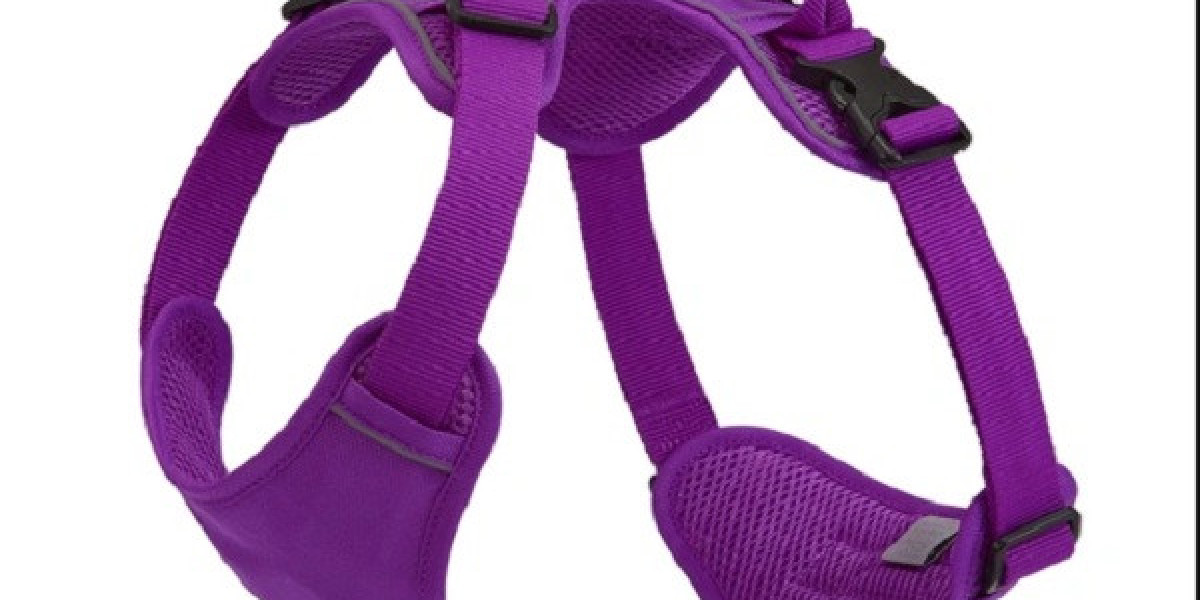

Walking a dog should be an enjoyable part of the day, but anyone who has handled an energetic or nervous dog knows that a simple walk can sometimes become surprisingly difficult. A dog may suddenly pull toward another animal, stop to investigate something interesting, or try to move in a completely different direction. This is where a dog harness with handle can make a noticeable difference. It combines the basic support of a harness with a practical handle that gives the owner an additional point of control when needed.Get more news about dog harness with handle,you can vist our website!
One feature I particularly appreciate about this type of harness is the handle itself. A leash provides control at a distance, while a built-in handle allows the owner to hold the dog closer when the situation requires it. For example, when crossing a busy street, entering a crowded store, getting into a vehicle, or moving through a narrow space, having a handle within easy reach can be extremely convenient. It offers a quick way to guide the dog without having to pull repeatedly on the leash.
Comfort is another important characteristic. A well-designed dog harness should distribute pressure across the chest and body rather than concentrating it around the neck. This can be especially useful for dogs that tend to pull during walks. Soft padding around contact areas can reduce rubbing, while breathable materials help prevent the harness from becoming unnecessarily hot during outdoor activities.
Fit matters just as much as material. A harness that is too loose may shift around the dog's body, while one that is too tight can restrict movement and cause discomfort. Adjustable straps are therefore a valuable feature. They allow the harness to be fitted more closely to the dog's individual shape, which is particularly helpful for growing dogs or breeds with unusual body proportions.
The construction of the handle deserves attention as well. A handle should feel secure when held firmly, especially if it is intended for moments when the dog suddenly moves forward. Reinforced stitching and strong attachment points can make the difference between a handle that simply looks useful and one that can actually withstand everyday use. In my opinion, this is one of the areas where buyers should look beyond appearance and pay attention to construction details.
Another useful feature is the leash attachment point. Many dog harnesses with handles include a metal or reinforced attachment ring positioned on the back or chest. A back attachment is convenient for regular walking, while a front attachment can provide additional control for dogs that pull. Having more than one attachment option makes the harness more versatile for different walking situations.
Visibility can also be important, especially for evening walks. Reflective strips or reflective stitching can help make the dog easier to notice in low-light environments. This does not replace proper lighting or safe walking habits, but it is a sensible additional feature for owners who frequently walk early in the morning or after sunset.
The choice of fabric can influence both comfort and durability. Nylon and other synthetic webbing materials are commonly used because they are relatively lightweight, strong, and easy to clean. Some harnesses also include mesh sections for improved airflow. For dogs that spend a lot of time outdoors, I think washable materials are particularly valuable because mud, grass, and dust are simply part of normal life.
A dog harness with handle can also be useful beyond ordinary neighborhood walks. During hiking trips, travel, camping, or visits to unfamiliar places, the extra handle can provide greater control in situations where a conventional leash alone may not feel sufficient. It can also make it easier to guide a dog over a small obstacle or help position the dog safely without grabbing directly at the collar.
Of course, no harness can replace proper training. A strong dog may still pull, and a poorly fitted harness can still create problems. Owners should always check the fit regularly and inspect the straps, buckles, stitching, and attachment points for signs of wear. The harness should allow the dog to walk, sit, and move naturally without excessive restriction.
Personally, I think the biggest advantage of a dog harness with handle is its versatility. It is not an overly complicated product, yet a small design detail can make everyday handling much easier. Instead of carrying a separate lifting or control strap, the owner has an integrated handle available whenever it is needed.
Ultimately, the best dog harness with handle is one that combines comfort, secure construction, practical adjustment, and reliable control. Good design should make life easier for both the dog and the owner. When the harness fits properly and is made from durable materials, it can become a useful part of daily walks, training sessions, travel, and outdoor adventures. For owners who value convenience without sacrificing their dog's comfort, this simple combination of harness and handle is certainly worth considering.