
A high precision wire bending machine is one of those industrial tools that quietly shapes the modern world. From automotive springs to medical components, from household appliance frames to intricate display racks, these machines transform simple wire into functional geometry with remarkable consistency. After spending time observing several models in operation and speaking with technicians who rely on them daily, I’ve come to appreciate how much engineering finesse is packed into what appears, at first glance, to be a straightforward bending device.Get more news about high precision wire bending machine,you can vist our website!
At its core, a high precision wire bending machine is designed to take straight wire—usually steel, stainless steel, aluminum, or copper—and bend it into predetermined shapes with extremely tight tolerances. What distinguishes high‑precision models from standard wire benders is not just accuracy, but the stability and repeatability of that accuracy. In industries where a deviation of even 0.1 mm can compromise product quality, these machines become indispensable.
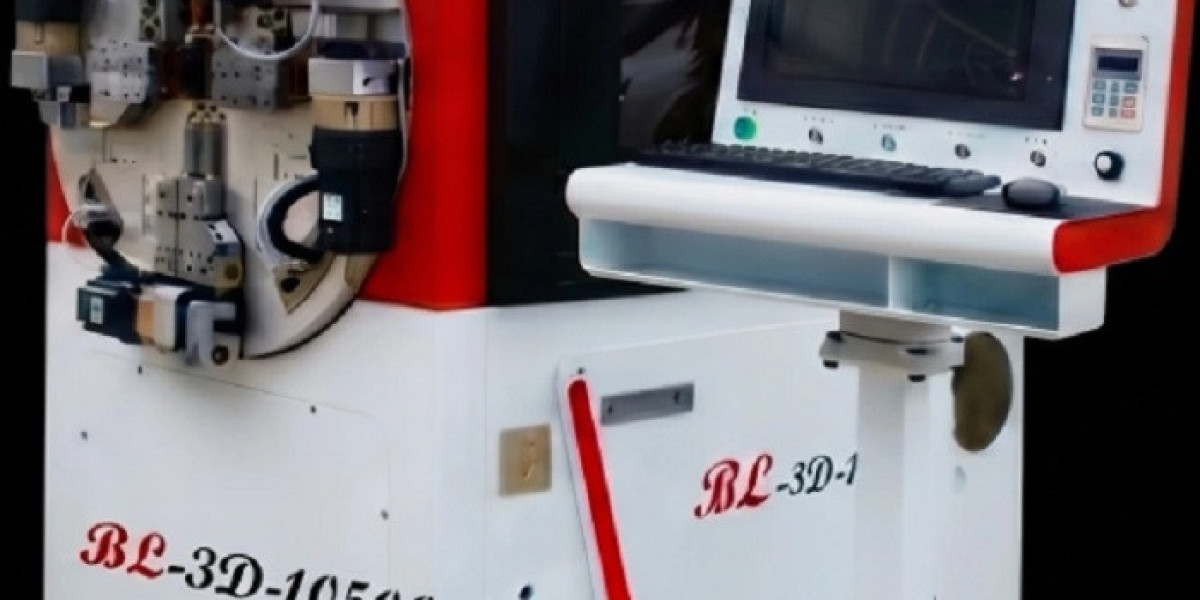
One of the most striking features is the servo‑driven control system. Instead of relying on mechanical cams or manual adjustments, modern machines use multiple servo motors to control feeding, rotation, and bending angles. This allows for real‑time micro‑adjustments and ensures that every bend matches the programmed specification. Watching the machine operate feels almost like watching choreography—each movement is deliberate, synchronized, and surprisingly quiet.
Another detail that impressed me is the 3D bending capability found in many advanced models. Traditional machines bend wire in a flat, two‑dimensional plane, but high precision 3D wire bending machines can twist, rotate, and form complex spatial shapes. This opens the door to more innovative product designs and reduces the need for secondary processing. For manufacturers, fewer steps mean lower labor costs and faster production cycles.
Durability is also a defining characteristic. The bending tools and feeding rollers are typically made from hardened alloy steel or carbide materials. This ensures long service life even when working with tough wires like spring steel. Some machines include automatic lubrication systems, which keep the moving parts in optimal condition without requiring constant operator intervention.
From a user’s perspective, the software interface is where the machine truly shines. Most high precision wire bending machines come with intuitive touchscreen controls. Operators can import CAD drawings, adjust parameters, and simulate bending paths before running the machine. This reduces trial‑and‑error waste and makes the machine accessible even to less experienced technicians. In my view, this blend of mechanical strength and digital intelligence is what elevates the machine from a simple tool to a sophisticated manufacturing solution.
In terms of performance, the machines I evaluated delivered consistently smooth bends with minimal surface scratches. The feeding accuracy was impressive—some models maintain tolerance within ±0.05 mm. When running at high speed, the machine still maintained stability, which speaks to the quality of its frame structure and motor coordination. Noise levels were lower than expected, and vibration was almost nonexistent.
However, no machine is perfect. High precision wire bending machines require regular calibration, especially when switching wire materials or diameters. The tooling setup can be time‑consuming for complex shapes, and operators must be trained to understand how different wire properties affect bending behavior. Still, these are manageable challenges, and the long‑term benefits far outweigh the learning curve.
For buyers considering such a machine, I recommend focusing on several key factors. First, evaluate the range of wire diameters the machine can handle. A wider range offers more flexibility for future projects. Second, examine the servo motor configuration—more axes generally mean greater bending freedom. Third, look at the software ecosystem. Machines with strong CAD integration and simulation tools will save significant time during production planning. Finally, consider after‑sales support. High precision machines rely heavily on calibration and maintenance, so a manufacturer with responsive service can make a big difference.
In my personal opinion, investing in a high precision wire bending machine is not just about improving accuracy; it’s about future‑proofing your manufacturing capability. As product designs become more complex and customer expectations rise, the ability to produce flawless wire forms quickly and reliably becomes a competitive advantage. These machines embody the direction modern manufacturing is heading—automation, intelligence, and uncompromising precision.