
Watercolor brushpens are often judged by how naturally the nib responds to pressure. A flexible tip should produce a thinner line with a light touch and a broader stroke when more pressure is applied. If the fibers are too stiff, the pen feels closer to a conventional marker; if they are too soft, the tip may lose its shape after repeated use.
Nib material therefore becomes an important manufacturing detail. Nylon fibers are commonly used because they can provide flexibility while maintaining the basic shape of the tip. The feeder system behind the nib also matters because it controls how quickly water-based ink reaches the writing surface. Uneven ink delivery can cause a stroke to become lighter halfway through a line or produce excessive ink at the beginning of a stroke.
Ink formulation creates another variable. Water-based pigment needs a suitable viscosity to move through the feeder without clogging while still providing sufficient color density on paper. Manufacturers normally check ink flow and color consistency during production because even small differences between batches can become noticeable when several pens from the same set are used together.
Quality inspection also extends beyond the writing tip. Barrel dimensions, cap fit, sealing performance, and leakage resistance can affect storage life. A cap that does not close properly may allow the nib to dry out, while an imperfect seal around the ink reservoir can create leakage during transportation. These problems may not appear during a short sample test, which is why repeated production checks are useful for larger orders.
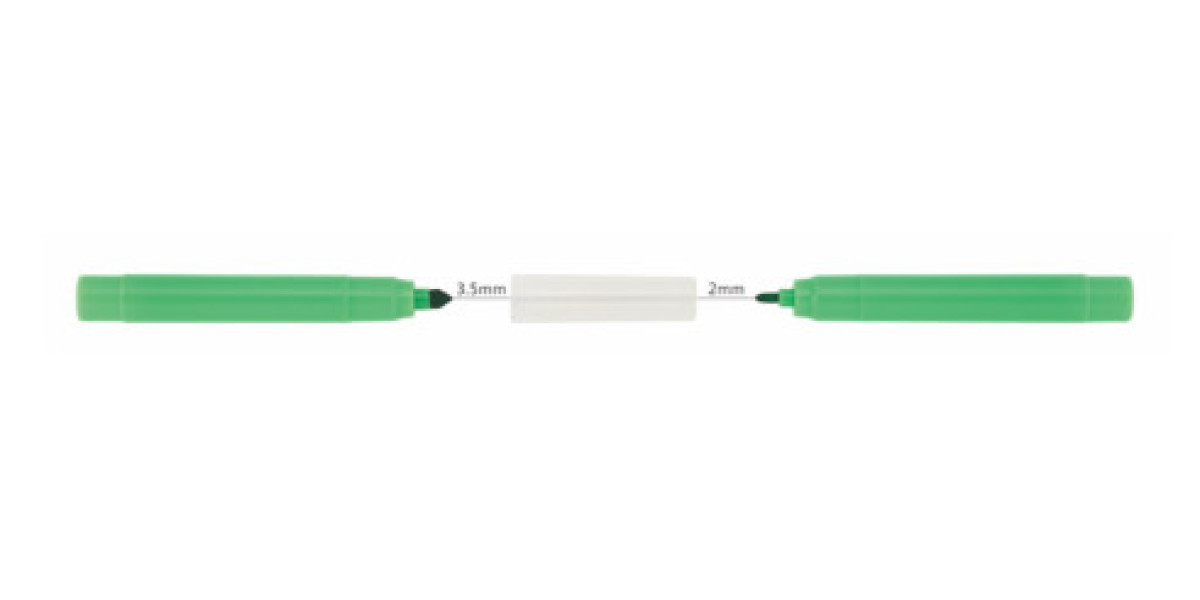
For buyers developing private-label products, the nib specification should be confirmed before other appearance details. Different tip widths can serve different applications, from fine lettering and outlining to broad coloring and background work. A supplier capable of adjusting nib structure, ink shades, barrel design, and set configuration can provide more flexibility when developing a product range.
Packaging also needs to match the product configuration. Individual pens, small classroom sets, and larger art kits require different internal arrangements to prevent movement during shipping. Confirming packaging dimensions together with product specifications can help avoid unnecessary changes after production has already started.
Certification is another consideration for cross-border distribution. Depending on the destination and intended use, buyers may need documentation related to material safety, labeling, or children's product requirements. Checking certificate validity and testing details before production provides a clearer picture of whether the watercolor brushpens are suitable for the intended market.
Ultimately, consistent performance comes from controlling several small manufacturing details at the same time. Nib flexibility, ink formulation, sealing, assembly, and inspection all contribute to how a finished pen behaves in everyday use. For repeat orders, maintaining those specifications from one production batch to the next is often more important than adding unnecessary features.