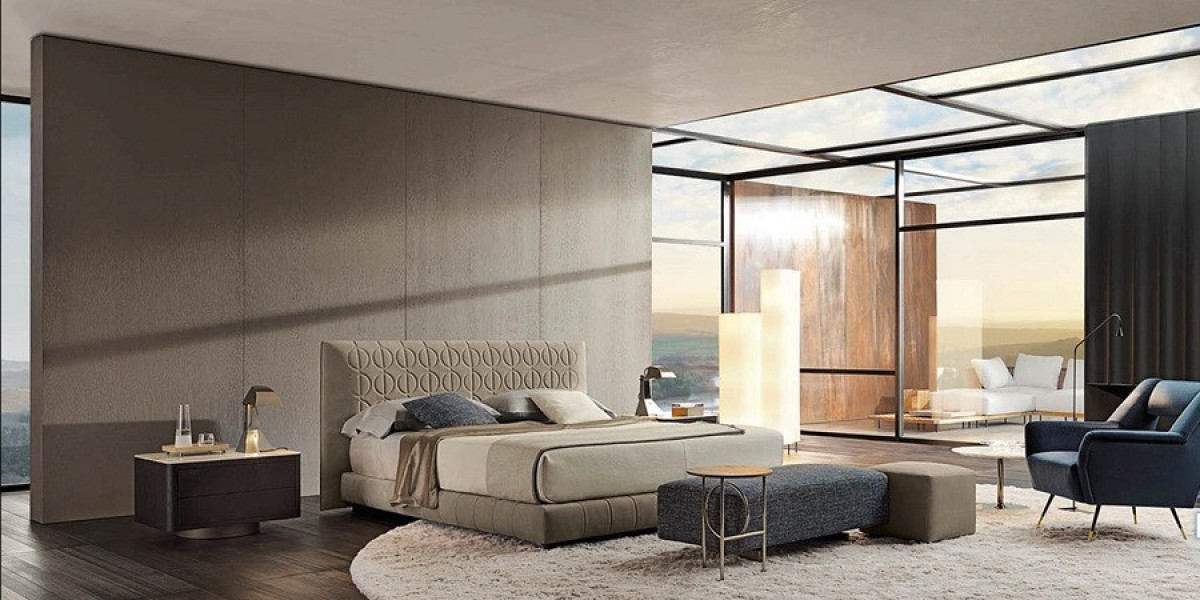

A dining room is more than a place where meals are served. It is often where families catch up after a busy day, friends gather over long conversations, and ordinary evenings become memorable occasions. For that reason, choosing the right dining room furniture is not simply about filling an empty space. In my view, good furniture should make the room feel comfortable, practical, and naturally inviting while still reflecting the personality of the people who use it.Get more news about dining room furniture,you can vist our website!
One of the most noticeable features of quality dining room furniture is its balance between appearance and function. A dining table may be the visual centerpiece of the room, but its real value becomes clear when people sit around it. The tabletop should provide enough space for plates, serving dishes, glasses, and perhaps a centerpiece without making diners feel crowded. At the same time, the table needs to suit the proportions of the room. A large table can look impressive in a showroom but feel awkward in a compact dining area.
Dining chairs deserve just as much attention. Their shape, height, cushioning, and back support can make a surprising difference during a long meal. I personally prefer chairs that look elegant without being overly delicate. A slightly curved back, a comfortable seat, and sturdy legs can create a much better experience than a chair chosen purely for its appearance. Upholstered chairs can add warmth and softness, while wooden or metal designs often provide a cleaner and more contemporary impression.
Material is another important characteristic of dining room furniture. Solid wood remains popular because of its natural texture, visible grain, and timeless character. Oak, walnut, and other hardwoods can bring warmth to an interior and often become more attractive as they age. Wood furniture also works well with different decorating styles, from rustic and traditional rooms to modern interiors.
For homeowners who prefer a contemporary look, metal, glass, engineered wood, and mixed-material furniture offer plenty of possibilities. A table with a slim metal frame and a wood-effect top, for example, can create a lighter visual appearance while maintaining a sense of durability. Glass tabletops can make smaller rooms appear more open, although they usually require more frequent cleaning to keep fingerprints and marks under control.
Size and layout should never be overlooked. Dining room furniture needs to leave sufficient space for people to pull out chairs and move comfortably around the table. This is one of those practical details that can be easy to forget when shopping. A beautiful dining set loses much of its appeal if everyone has to squeeze past the chairs. Measuring the room before purchasing is a simple step, but it can prevent expensive mistakes later.
Storage is another useful feature, particularly in homes where the dining room also serves several purposes. Sideboards, buffets, and cabinets can provide convenient space for tableware, linens, glasses, and serving accessories. Instead of storing everything in a distant kitchen cabinet, having essential dining items nearby makes entertaining much easier. A well-designed sideboard can also become an attractive display area for ceramics, books, plants, or decorative objects.
Style matters, of course, but I believe dining room furniture should not follow trends too closely. Extremely fashionable designs may look exciting today but become less appealing after a few years. A simpler table with carefully chosen chairs can remain attractive for much longer. Neutral finishes, clean lines, and thoughtful proportions provide a flexible foundation that can be refreshed with lighting, rugs, artwork, or table decorations.
Durability is equally important. Dining furniture experiences regular use, and the table may be exposed to spills, heat, scratches, and constant movement. Strong joints, reliable hardware, stable legs, and easy-to-maintain surfaces are signs worth looking for. Families with children may want particularly practical finishes that can tolerate everyday messes without requiring excessive maintenance.
Ultimately, the best dining room furniture is not necessarily the most expensive or elaborate option. It is the furniture that fits the room, supports everyday activities, and feels comfortable enough that people actually want to stay at the table. A well-designed dining space has a certain warmth that cannot be created by decoration alone. When the table feels solid, the chairs are comfortable, and the overall design suits the home, even a simple dinner can feel a little more special.
Dining room furniture should therefore be viewed as a long-term part of the home rather than a temporary decorative purchase. By considering materials, comfort, dimensions, storage, durability, and personal style together, homeowners can create a dining area that looks good and works well. In my opinion, that combination of practical design and everyday comfort is what makes dining room furniture truly worthwhile.