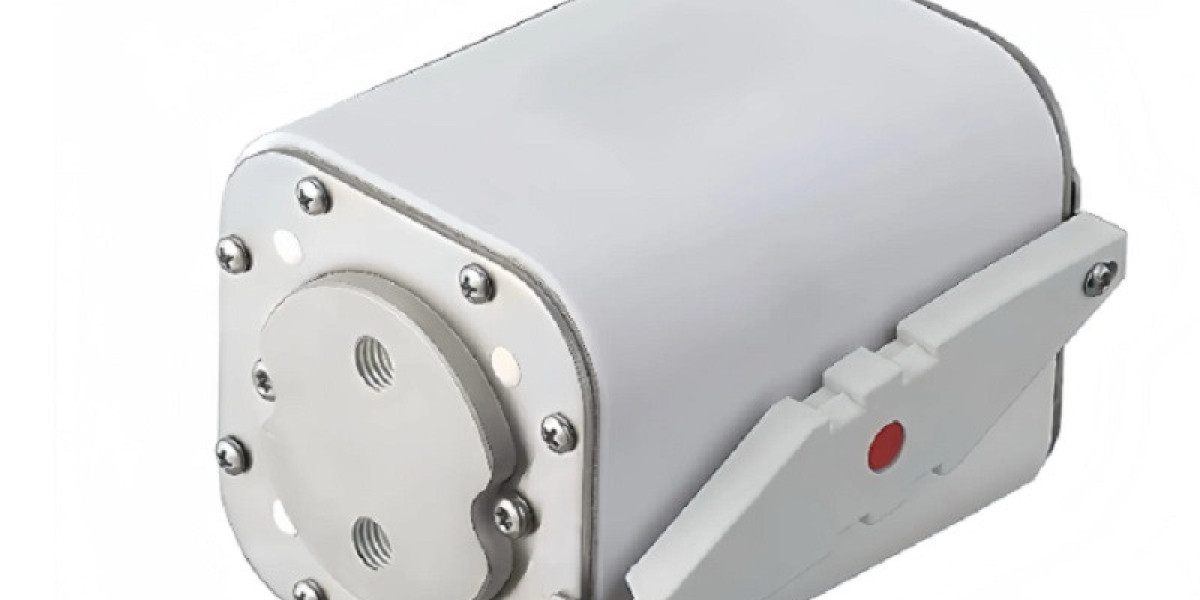

Blade fuse holders are one of those components you rarely think about until something goes wrong. They sit quietly in wiring harnesses, fuse boxes, and accessory circuits, doing the simple but crucial job of holding a blade‑style fuse securely in place. Yet, after years of working with automotive wiring, small power systems, and DIY electronics, I’ve learned that the quality of a blade fuse holder can make the difference between a stable circuit and a frustrating electrical mystery.Get more news about Blade fuse holder,you can vist our website!
At first glance, a blade fuse holder seems almost too simple to warrant much attention. It’s usually a small plastic housing with two metal terminals inside. But the more time you spend troubleshooting intermittent power drops or melted connectors, the more you appreciate the engineering behind a good holder. The best ones feel solid, grip the fuse firmly, and maintain excellent electrical contact even under vibration, heat, or moisture.
Key Characteristics: What Defines a Reliable Blade Fuse Holder
A blade fuse holder’s job is straightforward: keep the fuse seated and maintain a stable electrical connection. But the details matter. High‑quality holders typically share several traits:
Secure mechanical grip — The fuse should click into place with a confident feel. A loose fit is a recipe for intermittent failures.
Low‑resistance metal contacts — Good holders use thicker, well‑formed terminals that minimize heat buildup.
Heat‑resistant housing — Materials like nylon or thermoplastic help prevent deformation in engine bays or enclosed electrical boxes.
Environmental protection — Waterproof or dust‑sealed versions are essential for outdoor, marine, or off‑road use.
Clear labeling or color coding — Helpful during troubleshooting or when multiple circuits are grouped together.
One detail I always pay attention to is how the fuse seats. If it feels mushy or uneven, I don’t trust it. A fuse holder should give you a tactile sense of reliability the moment you press the fuse in.
Different Types and Their Best Uses
Blade fuse holders come in several configurations, each suited to different environments and installation styles:
Inline blade fuse holders — These are common in automotive accessories and custom wiring. They sit directly in the wire and often use snap‑caps or screw‑caps.
Waterproof inline holders — Ideal for ATVs, boats, motorcycles, and outdoor equipment. They usually include rubber seals and thicker housings.
Panel‑mount holders — Used when easy access is important, such as in control panels or distribution boxes.
Fuse blocks — Great for organizing multiple circuits in vehicles, RVs, or industrial equipment.
Add‑a‑circuit holders — A clever solution for adding a new fused circuit without cutting factory wiring.
Each type solves a different problem. For example, I’ve installed waterproof holders on off‑road vehicles where mud and water are constant threats. In those environments, a standard holder would fail quickly. Meanwhile, panel‑mount holders shine in workshop equipment where neatness and accessibility matter more than ruggedness.
Hands‑On Impressions: How Blade Fuse Holders Perform in Real Use
When evaluating blade fuse holders, I focus on three aspects: contact quality, heat behavior, and durability.
Contact quality
A good holder grips the fuse tightly. I’ve tested holders by shaking wiring assemblies, tapping them, and tugging on wires. High‑quality holders maintain perfect contact, while cheaper ones sometimes allow micro‑movement that leads to flickering power or sudden shutdowns.
Heat behavior
Electrical resistance generates heat, and poor contacts amplify it. I’ve seen low‑quality holders soften or discolor after extended use at moderate currents. Premium holders stay cool even when running near their rated limits, which is a sign of good metalwork and proper material selection.
Durability
Automotive and outdoor environments expose fuse holders to vibration, moisture, and temperature swings. Waterproof holders with thick rubber seals perform exceptionally well here. Panel‑mount holders, while not designed for harsh conditions, excel in stability and ease of replacement.
Overall, the best blade fuse holders feel solid, grip confidently, and show no signs of stress after prolonged use.