
A Accessories Printing Machine catalog can contain many different types of components, and each one may serve a different part of a printing press. A maintenance team working with several machines may need a fan for one press, an encoder for another, and a mechanical component for a third. These parts cannot simply be treated as interchangeable because they belong to the same general equipment category.
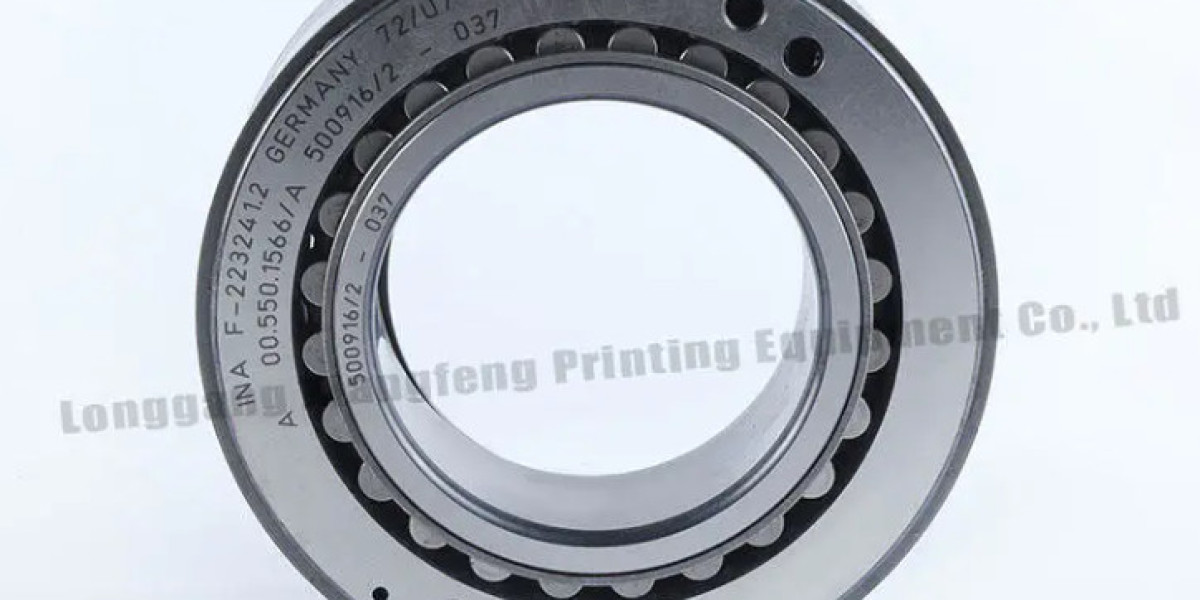
Mechanical components are often easier to identify through physical specifications. Gears, bearings, shafts, springs, and similar parts can be checked through dimensions, materials, mounting positions, and operating requirements. Even so, small differences can matter. A bearing with the correct internal diameter may still have a different load rating or sealing arrangement, while a gear with a matching outside diameter may use a different tooth configuration.
Electrical parts require another level of checking. Fans, sensors, encoders, circuit-related components, and switches may have similar housings but different electrical connections. Voltage, current, connector arrangement, signal output, and wiring configuration can vary between machine models and production years. A replacement component therefore needs to match the actual machine rather than only the appearance of the old part.
This becomes particularly relevant for companies operating mixed-brand press fleets. Heidelberg, Manroland, KBA, Ryobi, and Komori machines may use components with similar functions while following different specifications. A sourcing team that keeps the machine model and original component information together can reduce confusion during replacement work.
Accessories Printing Machine sourcing also involves documentation. Product names alone rarely provide enough information for a technician to confirm compatibility. Original part numbers, dimensions, electrical specifications, installation information, and applicable machine models provide a much clearer reference.
Cross-reference records can be useful when the same type of component is required for several machines. Instead of comparing products only through photographs, maintenance personnel can check the original part number against documented specifications. This is especially helpful for older presses, where visually similar components may belong to different machine generations.
The condition of the replacement part also matters. Manufacturing and inspection practices can influence consistency across batches. For mechanical parts, dimensional inspection can identify machining deviations. For electrical components, operating tests can confirm basic performance. Fans may require airflow and running checks, while encoders may need signal testing under rotation.
A broad catalog does not automatically mean every component suits every printing machine. The value of multi-category sourcing comes from having access to different types of replacement parts while still maintaining clear technical information for each item. This distinction matters because a supplier may list many products but provide limited fitment information.
Maintenance teams can also benefit from keeping their own replacement records. Recording the press model, original part number, replacement specification, installation date, and service observations creates a useful reference for future orders. Over time, these records can make routine maintenance less dependent on memory or visual comparison.
Accessories Printing Machine requirements also change according to the age and operating condition of the press. An older machine may require replacement parts that are no longer commonly supplied through the original equipment channel. In such cases, accurate dimensions and compatibility information become especially useful when evaluating alternative components.
For printing companies with several machine types, sourcing is therefore not simply a matter of finding a part with the right name. The practical process involves identifying the machine, checking the original component, comparing technical specifications, and confirming the installation requirements. A structured approach can make replacement work easier while reducing the possibility of ordering a part that looks suitable but does not match the equipment.