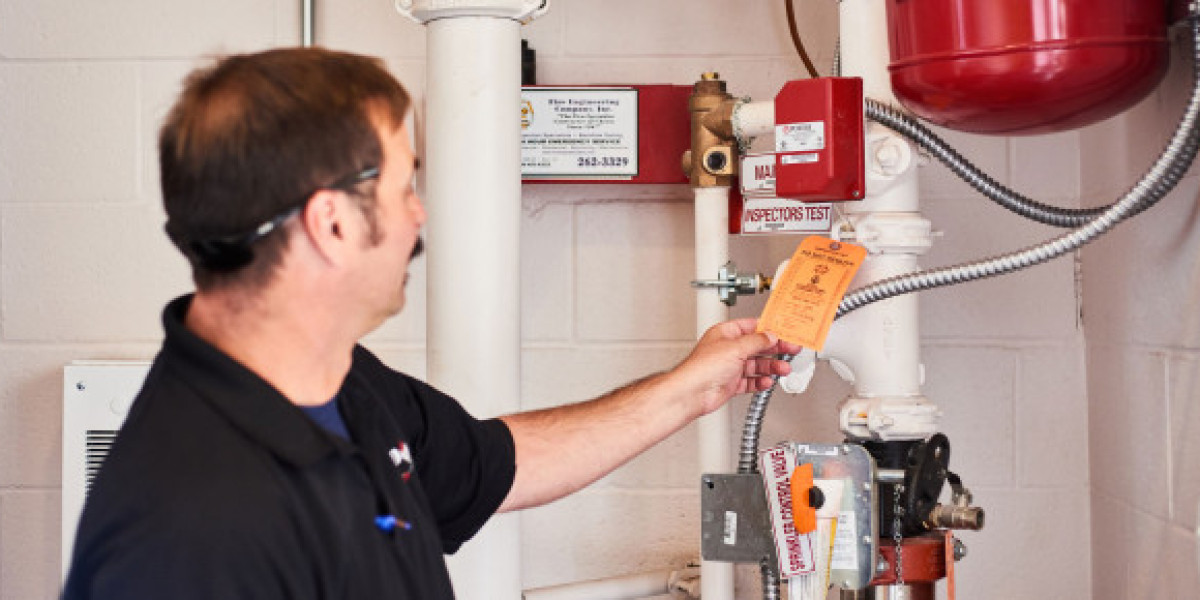

Fire sprinkler inspections are systematic evaluations of every component in a water-based fire suppression system. They are not casual walkthroughs or paperwork exercises. They involve trained technicians using calibrated equipment to assess system condition and performance against established standards. The scope of a comprehensive inspection is extensive and covers mechanical, hydraulic, and electrical elements simultaneously. Understanding what inspections actually include helps property owners evaluate service quality and value.
Many building owners book fire sprinkler inspections without a clear picture of what they are purchasing. This lack of understanding makes it difficult to evaluate whether the service received was thorough. It also prevents meaningful conversations with service providers about system condition and next steps. Knowing what a complete inspection covers empowers property owners to be effective partners in their fire protection programs.
Pre-Inspection Preparation and Documentation Review
Every professional inspection begins before the technician ever touches a system component. Pre-inspection preparation involves reviewing previous service records and system documentation. The technician examines prior inspection reports to understand what was found in previous visits. They note any deficiencies from previous inspections and confirm whether corrective actions were completed. This review creates context that helps distinguish new findings from ongoing known issues.
System drawings and hydraulic calculations are reviewed to understand the system's original design intent. These documents identify system type, zone configurations, and hydraulic performance targets. Design information helps technicians recognize when conditions have changed since original installation. It also provides the comparison benchmarks needed to interpret waterflow test results meaningfully. Without design documentation, inspections can only assess current condition without evaluating whether that condition meets design requirements.
Documentation review also confirms which NFPA 25 inspection requirements apply to the specific system. Different system types have different inspection protocols and frequency requirements. Wet pipe, dry pipe, pre-action, and deluge systems each have distinct inspection procedures. The technician identifies all applicable requirements before beginning any physical inspection activity. This preparation ensures that the inspection covers every required element without gaps or omissions.
Control Valve Inspection and Testing
Control valve inspection is among the most critical activities in any sprinkler system inspection. Every control valve in the system must be positively verified to be in its correct open position. A closed valve immediately eliminates suppression protection for the zone it serves. Technicians physically confirm valve position and note the position of any indicating handles or wheel valves. Electronic supervisory switch function is tested by simulating a valve position change and confirming alarm response.
Valve condition inspection checks for corrosion, physical damage, and condition of valve body components. Packing gland condition is evaluated for signs of leakage around the valve stem. Valve tags and labels are checked to confirm that every valve is correctly identified. Labels should correspond to system drawings and zone identification for each valve. Missing or incorrect labels create confusion during emergencies when rapid valve operation is critical.
Gate valves and butterfly valves require different inspection approaches based on their design. Gate valves are inspected for stem corrosion and packing condition. Butterfly valves are checked for disc position alignment and actuator condition. Post-indicator valves allow visible confirmation of open or closed position from a distance. Underground control valves in valve pits require pit condition inspection in addition to valve examination. All valve types receive documentation of their confirmed position and condition in the inspection report.
Sprinkler Head Inspection
Sprinkler head inspection is among the most time-intensive components of a comprehensive assessment. Every head in the system must receive individual examination. Technicians look for paint overspray that could clog the orifice or seal the heat-sensitive element. They check for physical deformation from impacts with equipment, materials, or maintenance activities. They assess the condition of the glass bulb or fusible link that controls thermal activation.
Corrosion on external head surfaces is documented and evaluated for severity. Light surface corrosion may be acceptable in some environments, while heavy corrosion requires immediate head replacement. Heads showing excessive corrosion cannot reliably maintain their designed activation temperature. Corroded deflector plates may distort spray patterns away from designed geometry. Both conditions compromise protection coverage in ways that are not visible without close inspection.
Clearance compliance is verified for every head during the inspection. The 18-inch minimum clearance below each deflector plate must be free of any storage or obstruction. Inspectors physically verify clearances rather than accepting assurances from building staff. Areas that show recurring clearance violations are flagged for management attention and corrective action. Storage practices that repeatedly create violations may require permanent physical interventions like storage height markers or rack configuration changes.
Pipe, Fitting, and Hanger Inspection
Pipe and fitting inspection evaluates the physical integrity of the distribution network. Visible pipe sections are examined for external corrosion, mechanical damage, and proper support. Corroded hangers can release pipe from their designed position, creating potential for pipe movement. Pipe that has shifted from its original position may stress fittings or change the orientation of sprinkler heads. Physical integrity of the pipe network directly affects both water delivery and head coverage geometry.
Hanger and brace condition inspection confirms that seismic and load support remains adequate. Hangers that have corroded significantly lose their structural capacity to support pipe. Loose hangers allow pipe movement that stresses joints and changes head positions over time. Seismic bracing that has been modified or damaged may not perform as designed during seismic events. All hanger and brace deficiencies are documented with their specific locations for corrective action planning.
Five-year internal pipe inspections access the pipe interior to assess corrosion extent. Borescope cameras allow interior examination without full pipe section removal. Technicians assess tubercle formation, wall thickness reduction, and biological fouling from the interior. These findings reveal problems that exterior inspection cannot detect. Internal inspection results guide decisions about targeted pipe replacement or corrosion mitigation system installation.
Alarm System and Waterflow Testing
Alarm system testing verifies that every notification function responds correctly to simulated system activation. Inspectors use the inspector's test valve to introduce a controlled flow that mimics single-head activation. The waterflow switch must detect this flow and trigger the alarm sequence within a required time delay. Audible notification devices including horns, bells, and speakers must activate with the alarm sequence. Visual notification devices including strobes and indicators must activate simultaneously.
Monitoring station notification testing confirms that the alarm signal transmits correctly to the central station. The monitoring station must receive the signal and record the timestamp within required limits. Communication with the monitoring station is coordinated before any test begins to prevent unnecessary emergency dispatch. After the test, confirmation that the monitoring station received the signal within required time limits is documented. Any excessive time delay in monitoring station notification identifies a transmission problem requiring investigation.
Pressure switch testing verifies that switches respond correctly to system pressure changes. Supervisory pressure switches that detect low air pressure in dry systems must activate within required thresholds. High pressure supervisory switches that detect over-pressurization must also respond within specified limits. All switch activation thresholds are compared to manufacturer specifications and design requirements. Switches that respond outside specified thresholds require adjustment or replacement before the next inspection.
Waterflow Performance Testing
Waterflow testing measures the actual hydraulic performance of the system against its design specifications. Main drain tests measure the residual pressure drop that occurs when water flows through the main drain. Changes in this pressure drop reading between inspections indicate changes in water supply or system condition. Increasing pressure drop over multiple tests signals developing flow restrictions from corrosion or valve changes. Stable pressure drop readings across multiple tests confirm consistent hydraulic performance.
Full flow tests for dry pipe systems confirm that water reaches all zones within required time limits. NFPA 25 specifies maximum time limits for water delivery after dry pipe valve activation. Exceeding these limits means occupants and property are exposed to uncontrolled fire growth during the delay. System configuration changes or corrosion buildup can increase water delivery time beyond compliant limits. Annual trip testing verifies that delivery time remains within the acceptable range for occupant safety.
Consistent fire sprinkler system maintenance inspection programs produce the comprehensive documentation that every regulatory and insurance requirement demands. Technicians record every finding with specific component locations, observed conditions, and recommended corrective actions. Reports are formatted to satisfy NFPA 25 documentation requirements and insurance underwriter expectations. Complete inspection records demonstrate the diligent management that protects building owners in litigation, regulatory proceedings, and insurance claim investigations.
Inspection Report Content and Deficiency Management
Professional inspection reports document every finding in organized, actionable formats. Reports identify each deficiency by location, component type, and specific nature of the problem. They classify deficiencies by severity to guide appropriate response prioritization. Critical deficiencies that create immediate system impairment require urgent corrective action. Non-critical deficiencies are scheduled for correction within appropriate timeframes based on their safety impact.
Inspection reports that only record satisfactory conditions without detailing the scope of the inspection have limited value. Comprehensive reports document what was inspected, how it was tested, and what was found for every activity performed. This level of detail allows building owners and future service providers to understand exactly what the inspection covered. It also prevents questions about inspection thoroughness during insurance or regulatory review. Detailed documentation is a hallmark of professional inspection quality.
Conclusion
A thorough fire sprinkler inspection encompasses preparation, valve inspection, head assessment, pipe evaluation, alarm testing, and hydraulic performance verification. Each element reveals a different category of potential system problem. Together, they create a complete picture of system condition and compliance status at the time of inspection. Property owners who understand this scope can evaluate inspection quality effectively and partner with service providers to maintain genuinely reliable fire protection.