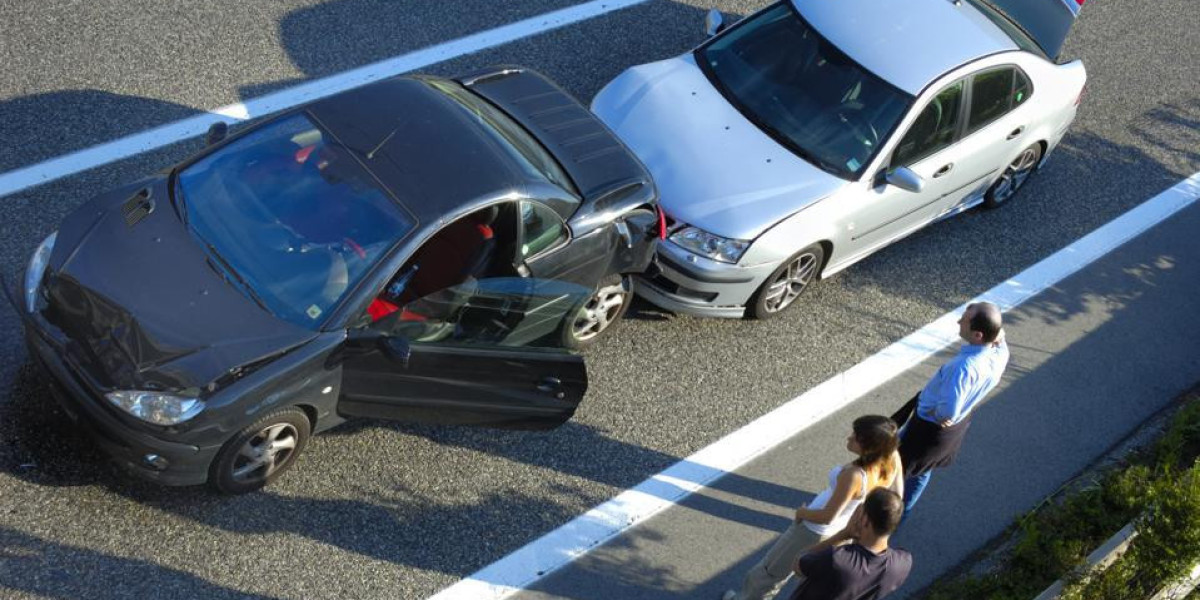

Motor vehicle collisions are among the leading causes of physical injury worldwide. The forces involved in even minor crashes are significant and varied. The human body is not designed to absorb high-impact vehicular forces safely. A wide range of injuries can result, affecting multiple body systems simultaneously. Many of these injuries are not immediately obvious at the accident scene. Understanding what conditions can develop helps survivors seek timely and appropriate care.
Cervical Spine and Neck Injuries
The cervical spine is the most commonly injured region in vehicle collisions. Its flexibility and relatively unsupported position make it highly vulnerable to crash forces. Rear-end impacts produce the classic whiplash mechanism in most occupants. The head lags behind the body during initial impact, then snaps forward. This sequence strains the muscles, ligaments, and joint capsules of the neck. The extent of damage depends on vehicle speed, head position, and individual anatomy.
Cervical muscle strains are the most common form of whiplash-related injury. The sternocleidomastoid, trapezius, and deep cervical flexors are most frequently affected. Symptoms include localized neck pain, stiffness, and restricted range of motion. Without appropriate rehabilitation, these muscles develop persistent trigger points. These trigger points cause referred pain to the head, shoulders, and between the shoulder blades. Early physiotherapy resolves these patterns before they become deeply embedded.
Cervical Disc and Joint Injuries
More serious collisions can damage the intervertebral discs of the cervical spine. Disc bulges or herniations occur when the outer disc wall is compromised. The inner disc material may press against adjacent nerve roots. This produces radiating arm pain, weakness, and numbness in a dermatomal pattern. The condition is known clinically as cervical radiculopathy. Physiotherapy including neural mobilization and specific exercise can resolve many of these cases.
Facet joint injuries are equally common but often overlooked in clinical assessment. Each vertebral level has two facet joints that guide and limit spinal movement. Crash forces impinge and compress these joints, causing synovial irritation and pain. Facet-mediated pain is typically described as a deep, aching, unilateral neck pain. It may refer into the head, producing cervicogenic headache patterns. Manual therapy targeting the affected facet joints produces significant and often rapid relief.
Lumbar Spine and Low Back Injuries
The lumbar spine sustains significant forces in frontal, rear, and lateral impacts. Compressive loading during a collision compresses the intervertebral discs and vertebral endplates. Disc injuries at the lumbar level are a frequently overlooked collision outcome. Patients often report that low back pain began the day after their crash. They incorrectly assume the pain is unrelated to the accident itself. However, delayed lumbar symptoms are a well-documented and entirely expected collision outcome.
Lumbar disc herniations cause sciatica when nerve roots are compressed. Pain radiates from the low back into the buttock, thigh, and lower leg. Numbness, tingling, and weakness along the sciatic distribution are common. Physiotherapy is a highly effective first-line treatment for lumbar radiculopathy. McKenzie method exercises, neural mobilization, and core stabilization are all used. Many patients avoid surgery entirely with consistent and properly guided physiotherapy.
Sacroiliac Joint Injuries in Vehicle Collisions
The sacroiliac joints are situated between the sacrum and ilium in the pelvis. They are subjected to significant shear forces during vehicle accidents. Lateral impacts and unequal loading of the pelvis during bracing create SIJ injury. Patients report a deep, localized pain just beside the base of the spine. The pain often radiates into the buttock and sometimes down the posterior thigh. SIJ injuries respond well to targeted manual therapy and stabilization exercise.
Physiotherapy distinguishes SIJ injuries from lumbar spine conditions through specific testing. Several provocation tests identify SIJ as the primary pain generator in these cases. Once confirmed, a specific SIJ rehabilitation program is initiated promptly. Stabilization exercises for the deep hip rotators and core muscles are key components. Pelvic belts may be used in the early phase to reduce SIJ loading. Most patients achieve significant relief within a structured course of physiotherapy.
Head Injuries and Concussion
Concussion is one of the most frequently missed collision injuries encountered. It occurs when the brain is accelerated within the skull during impact. Direct head contact is not required for a concussive injury to occur. The deceleration forces alone are sufficient to cause neurological disruption. Symptoms are highly variable and include headache, dizziness, and cognitive changes. Sleep disturbances, emotional dysregulation, and light sensitivity are also reported very commonly.
Specialized physiotherapy assessment identifies concussion symptoms and their contributing sources. Cervicogenic headache, vestibular dysfunction, and visual tracking problems are each addressed. Vestibular rehabilitation reduces dizziness and significantly improves balance function. Oculomotor exercises address eye tracking problems that contribute to cognitive symptoms. A graded return-to-activity protocol protects the healing brain from overstimulation. Early and specialized concussion management significantly shortens the overall recovery duration.
Engaging with car accident physiotherapy that includes concussion expertise is genuinely beneficial. Not all physiotherapy clinics have specific training in post-concussion rehabilitation. Seeking a clinic with documented concussion assessment experience is strongly advisable. The assessment tools used for concussion are standardized and clinically validated. These tools guide treatment decisions throughout the recovery process effectively. Concussion should never be dismissed or managed with rest alone in the current era of rehabilitation.
Traumatic Brain Injuries Beyond Concussion
More severe head impacts can cause traumatic brain injuries beyond simple concussion. These include cerebral contusion, diffuse axonal injury, and intracranial hemorrhage. These conditions require emergency medical assessment and are not managed by physiotherapy alone. However, rehabilitation after acute medical management is provided by specialized neurological physiotherapists. Cognitive, motor, and vestibular rehabilitation all contribute to post-TBI recovery. Physiotherapy plays a meaningful role in the long-term functional recovery of TBI patients.
Shoulder, Chest, and Upper Limb Injuries
Shoulder injuries are remarkably common in vehicle collision survivors. The seatbelt applies significant force across the shoulder during deceleration. Rotator cuff strains, acromioclavicular joint injuries, and shoulder impingement result. Drivers who brace against the steering wheel injure their wrist and elbow joints. Passengers who brace against the dashboard experience similar upper limb injuries. All of these conditions require specific physiotherapy assessment and targeted treatment.
Chest wall injuries from seatbelt loading and airbag deployment are frequently seen. Rib bruising, intercostal muscle strains, and costochondral injuries cause painful breathing. Deep inhalation, coughing, and rolling in bed become very difficult and painful. Physiotherapy teaches breathing strategies that maintain lung capacity without aggravating pain. Rib mobility exercises are introduced progressively as the healing permits. Most chest wall soft tissue injuries resolve fully within four to eight weeks.
Thoracic Outlet and Nerve Injuries
Thoracic outlet syndrome can develop following vehicle collisions involving neck and shoulder forces. The brachial plexus becomes compressed between the collarbone and first rib. Symptoms include arm numbness, tingling, and weakness along the arm and hand. These symptoms are sometimes confused with cervical radiculopathy or carpal tunnel syndrome. An accurate differential diagnosis is essential before beginning targeted treatment. Physiotherapy including neural mobilization and thoracic outlet stretching is highly effective.
Peripheral nerve injuries can result from direct trauma or stretch forces during crashes. The ulnar, median, and radial nerves in the upper extremity are vulnerable. Symptoms include localized numbness, weakness, and altered sensation in specific distributions. Neural mobilization exercises promote recovery of damaged peripheral nerve function. Strengthening exercises address weakness caused by nerve injury and muscle inhibition. Recovery from peripheral nerve injury takes time and consistent professional management.
Knee, Ankle, and Lower Limb Injuries
Lower limb injuries occur when occupants brace against vehicle structures during crashes. The knee is particularly vulnerable to impact with the dashboard. Ligament injuries, meniscal tears, and patellar injuries are all commonly seen. Ankle sprains can occur when the foot is braced in an unnatural position. These injuries can significantly limit mobility and daily function without treatment. Physiotherapy restores lower limb strength, stability, and confidence of movement.
Knee ligament injuries range from mild sprains to complete tears requiring surgical assessment. Physiotherapy manages all grade levels of ligament injury with specific protocols. Quadriceps and hamstring strengthening protect the healing ligament structures. Proprioceptive training restores joint position sense and dynamic knee stability. A graduated return-to-activity program ensures safe progression through all recovery phases. Most grade one and two ligament injuries resolve fully with well-managed physiotherapy.
Psychological Injuries Following Collisions
Psychological injuries from vehicle collisions are just as real as physical ones. Post-traumatic stress disorder affects a significant proportion of collision survivors. Intrusive memories, avoidance of driving, and hyperarousal are hallmark symptoms. Anxiety and depression commonly accompany and complicate physical injury recovery. These psychological conditions significantly impair engagement with physical rehabilitation. A comprehensive recovery approach addresses both physical and psychological dimensions together.
Physiotherapy creates a safe and supportive environment that supports psychological healing. Pain education reduces the catastrophizing that contributes to psychological distress. Graded movement restores confidence and challenges avoidance behaviors constructively. Referral to psychology is made when symptoms exceed the scope of physiotherapy. Collaboration between physiotherapy and psychology consistently produces the best overall outcomes. Recognizing and addressing psychological injury is fundamental to complete collision recovery.
Conclusion
Motor vehicle collisions produce a remarkably wide range of physical injuries. Cervical, lumbar, thoracic, and peripheral structures are all vulnerable to crash forces. Head injuries, including concussion, require specialized assessment and skilled management. Upper and lower limb injuries limit function and require targeted rehabilitation. Psychological injuries compound physical recovery and must be addressed simultaneously. Early, comprehensive physiotherapy assessment is the most important step any collision survivor can take.