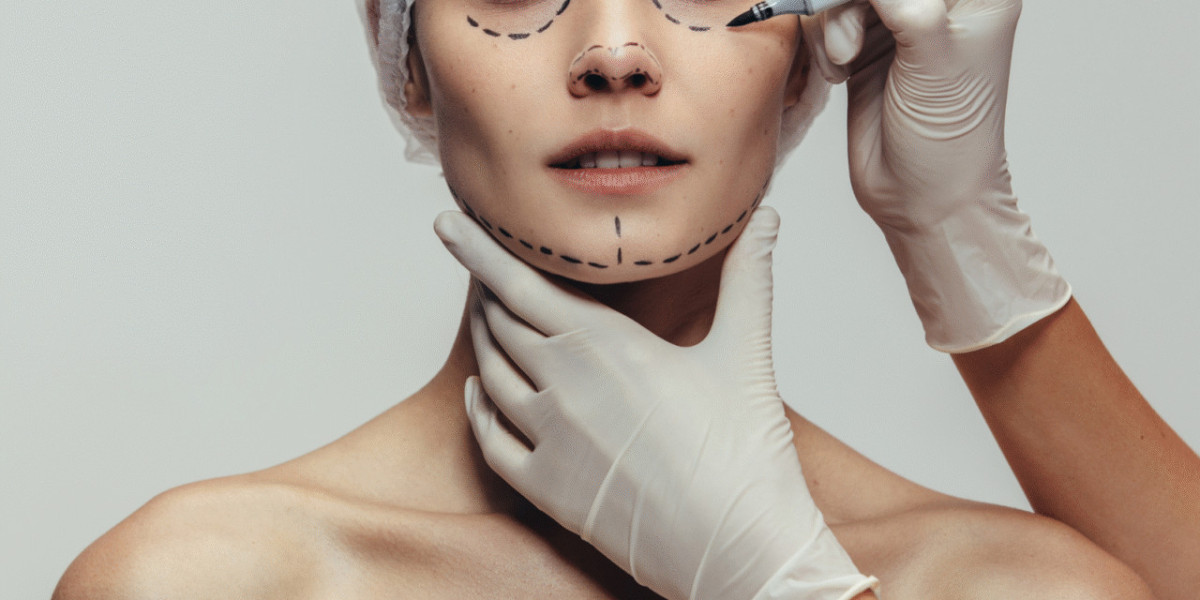

Confidence is often connected to how comfortable a person feels with their appearance, but it can also influence social interactions, daily habits, and overall self-image. Plastic Surgery Dubai can support individuals who feel that a particular physical feature does not reflect how they want to look or feel. When carefully considered, aesthetic surgery can create a more balanced appearance while helping a person feel more comfortable in their own body. The emotional benefits can be just as meaningful as the visible changes, especially when expectations are realistic and personal goals are clearly understood.
Understanding the Link Between Appearance and Confidence
A person’s perception of appearance can have a strong connection with self-confidence. Features such as the nose, abdomen, breasts, eyelids, or facial contours may sometimes become a source of self-consciousness. This does not mean that appearance determines personal worth, but feeling comfortable with a physical feature can make everyday experiences feel easier.
Plastic surgery may help address specific concerns by reshaping, refining, lifting, or restoring selected areas. The aim is generally to create a result that looks harmonious rather than dramatically different. When the physical appearance becomes closer to the individual’s desired image, confidence may gradually improve.
How Facial Procedures Can Support Confidence
Facial procedures are commonly considered when a person feels dissatisfied with a particular facial feature. Changes involving the nose, eyelids, ears, chin, or facial contours can influence the overall balance of the face.
A more proportionate facial appearance may help an individual feel more comfortable during conversations, photographs, professional interactions, and social occasions. The psychological benefit often comes from feeling that the outer appearance better represents the person’s preferred image.
Facial surgery can include procedures designed to refine facial proportions, improve symmetry, or create a refreshed appearance. The specific approach depends on the individual’s anatomy, aesthetic goals, and overall suitability.
How Body Procedures Can Improve Self-Image
Body-focused procedures may also contribute to greater confidence when a particular area causes persistent dissatisfaction. Procedures can reshape selected areas and improve body proportions according to individual goals.
Abdominal contouring, breast procedures, body reshaping, and other surgical options may help create a silhouette that feels more balanced. For some individuals, feeling more comfortable with body proportions can encourage greater confidence when choosing clothing, attending social occasions, or participating in activities.
The psychological improvement does not necessarily come from achieving perfection. Instead, it may come from reducing a specific concern that has occupied a person’s attention for a long time.
Two Main Treatment Areas That May Support Confidence
Plastic surgery can broadly be understood through facial and body treatments. Both can address different appearance-related concerns while aiming for a natural and proportionate outcome.
Facial Plastic Surgery
Facial plastic surgery focuses on selected features of the face and may include nose reshaping, eyelid surgery, facial contouring, ear correction, or other procedures. These treatments can be considered when a person wants to improve facial harmony or address a feature that has affected self-confidence.
For example, refining the proportions of the nose may influence the overall balance of the face. Similarly, eyelid procedures may create a more refreshed facial appearance, while facial contouring can enhance definition in selected areas.
The confidence benefit can develop when the individual feels more satisfied with facial proportions and becomes less focused on a particular concern.
Body Plastic Surgery
Body plastic surgery focuses on reshaping or improving the contours of specific areas. It can include procedures involving the abdomen, breasts, arms, thighs, or other parts of the body.
Such treatments may help individuals who feel uncomfortable with certain proportions or changes in body shape. Improved contour and balance can make clothing choices feel more comfortable and may encourage greater ease during social activities.
The goal is not to create an unrealistic appearance. Instead, successful treatment generally focuses on achieving a result that suits the person’s existing body structure and personal expectations.
Confidence Can Extend Beyond Physical Appearance
The impact of aesthetic surgery is not limited to photographs or mirrors. A person who feels more comfortable with their appearance may become more willing to participate in social situations, meet new people, or appear in photographs.
Some individuals may also experience greater freedom when selecting clothing or engaging in activities they previously avoided because of appearance concerns. These changes can contribute to a stronger sense of personal comfort.
However, confidence is influenced by many factors, including relationships, personality, lifestyle, emotional wellbeing, and personal achievements. Surgery should therefore be viewed as one possible part of a broader journey toward feeling comfortable and confident.
Realistic Expectations Matter
A healthy approach to cosmetic surgery begins with realistic expectations. A procedure can modify a physical feature, but it cannot guarantee happiness, popularity, professional success, or permanent confidence.
Individuals who understand what a procedure can realistically achieve are generally better prepared for the emotional adjustment that follows a physical transformation. Clear communication about desired changes is important because every person has different proportions, anatomy, and aesthetic preferences.
A balanced mindset can also help prevent the belief that one procedure must completely transform a person’s life.
Emotional Preparation Before Treatment
Emotional preparation can be an important part of the decision-making process. Individuals may benefit from considering why they want a particular change and whether the concern has remained consistent over time.
A thoughtful decision usually focuses on personal satisfaction rather than pressure from social media, friends, family, or unrealistic beauty standards. When the motivation comes from personal preference, the resulting change may feel more meaningful.
It is also useful for individuals to understand that confidence may develop gradually rather than immediately. Becoming accustomed to a changed appearance can take time, particularly when the procedure creates a noticeable difference.
What Can Influence Confidence After Surgery?
Confidence can develop through several interconnected factors. A person’s satisfaction may depend on the extent to which the outcome matches their expectations, how naturally the change fits their features, and how comfortable they feel with the new appearance.
Personal mindset also plays an important role. Someone who already has a healthy relationship with their appearance may find it easier to appreciate a physical improvement without expecting surgery to solve unrelated emotional concerns.
The surrounding social environment can matter as well. Supportive relationships and positive personal experiences can reinforce the confidence associated with an aesthetic change.
Common Questions About Confidence and Plastic Surgery
Can Plastic Surgery Improve Self-Confidence?
Plastic surgery may improve self-confidence when a specific physical feature has been a persistent source of dissatisfaction. Greater satisfaction with appearance can help some individuals feel more comfortable in social and personal situations.
Does Surgery Automatically Make Someone More Confident?
Surgery does not automatically create confidence. It can address a physical concern, while confidence also depends on emotional wellbeing, self-acceptance, relationships, and personal experiences.
Which Treatment Areas Can Affect Confidence?
Both facial and body treatments can influence self-image. Facial procedures may improve harmony among facial features, while body procedures may reshape selected areas and create more balanced proportions.
How Long Does It Take to Feel Confident After Treatment?
The emotional adjustment varies between individuals. Some people may feel comfortable with their appearance relatively soon, while others may need more time to adapt to the change and appreciate the final result.
Is Plastic Surgery Suitable for Every Appearance Concern?
Not every appearance concern requires surgery. A suitable approach depends on the individual’s goals, physical characteristics, expectations, and overall suitability for the chosen procedure.
Can Natural-Looking Results Support Confidence?
Natural-looking results may help an individual feel more comfortable because the change can complement existing features rather than appearing disconnected from them. Proportion, balance, and personal expectations are important considerations.
What Should Individuals Consider Before Choosing Treatment?
Individuals should consider their motivation, expectations, desired outcome, and emotional readiness. A careful consultation and realistic understanding of the proposed procedure can support a more informed decision.
Conclusion
Confidence often grows when a person feels comfortable with both appearance and identity. Plastic surgery can provide meaningful support for individuals who have a persistent concern about a particular facial or body feature. Facial treatments can focus on harmony and proportion, while body treatments can focus on contour and balance. Neither approach promises perfection, but both may help suitable individuals feel more satisfied with their appearance. When expectations remain realistic and the decision is personal rather than influenced by outside pressure, an aesthetic change can become one part of a broader journey toward greater self-confidence and personal comfort.