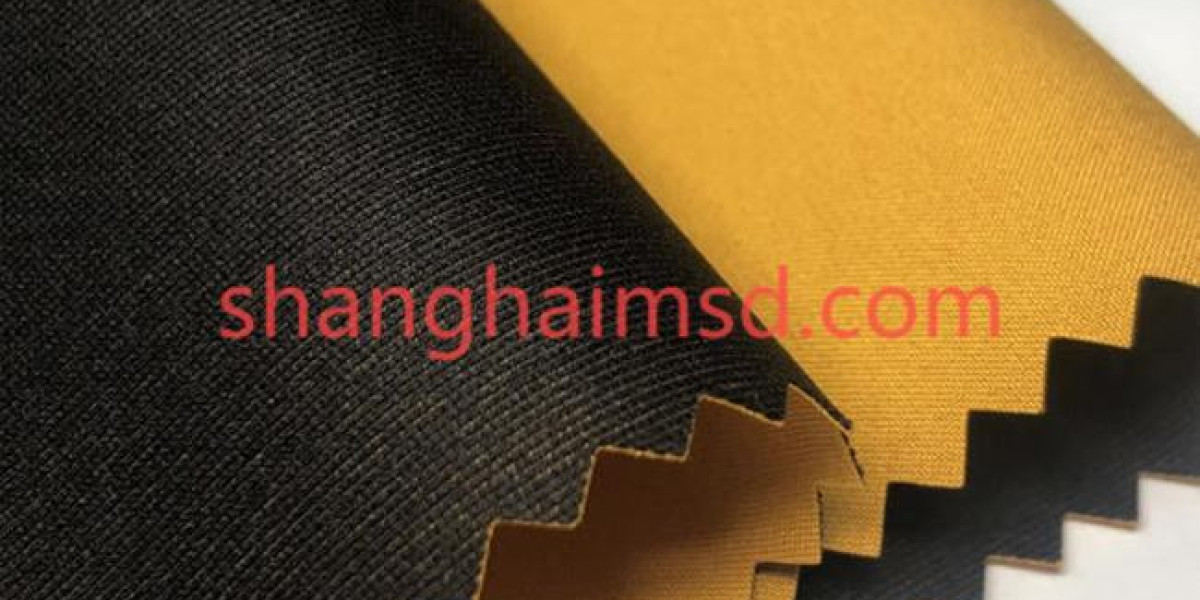

When interior designers seek a practical way to give ceilings a distinctive visual character, PVC Ceiling Film from ShanghaiMsd offers an adaptable option for projects that value creative presentation and coordinated interior design. A ceiling is no longer simply a functional part of a room; it can also become an expressive surface that contributes to the atmosphere and identity of an entire space.
Interior design often begins with the relationship between surfaces, lighting, colors, and spatial structure. A carefully selected ceiling finish can help connect these elements, creating a more unified visual experience. Film-based ceiling solutions provide designers with additional freedom to consider different appearances without changing the fundamental layout of a room.
One of the interesting qualities of decorative ceiling materials is their ability to support different design directions. A project may call for a clean contemporary appearance, a subtle decorative effect, or a more distinctive visual theme. By considering surface treatment, patterns, tones, and surrounding elements together, designers can develop a ceiling concept that fits the character of the space.
This approach can work across a variety of interior environments. Commercial areas, hospitality spaces, retail settings, offices, exhibition venues, and residential interiors may all require different visual solutions. Instead of relying on a single design style, project teams can adjust their material choices according to the atmosphere they want to create.
Lighting can also become an important part of the design conversation. The relationship between a ceiling surface and the lighting arrangement may influence how a room feels throughout the day. A thoughtfully planned ceiling can help designers create visual continuity while giving lighting elements a more integrated place within the overall composition.
Another consideration is the creative process itself. Designers often need materials that leave room for experimentation. A flexible surface solution can encourage teams to test different concepts, combine visual elements, and refine the appearance of a room before the final installation stage.
For manufacturers, contractors, and interior professionals, practical coordination is equally important. Ceiling materials need to fit the requirements of the intended project and work with the surrounding structure and installation approach. Considering these factors early can help create a smoother transition from design concept to finished interior.
Modern interiors are increasingly shaped by details that work together rather than isolated decorative features. Walls, ceilings, floors, lighting, furniture, and displays can form a connected visual language. Within this framework, the ceiling can become an unexpected focal point or a quiet background element, depending on the purpose of the design.
The opportunity to rethink overhead surfaces can bring a fresh perspective to renovation and new-build projects alike. Instead of treating the ceiling as an afterthought, designers can include it from the beginning and allow it to participate in the creative direction of the space.
A memorable interior does not always need complicated decoration. Sometimes, a thoughtful surface choice can change how people experience a room. With careful planning and an open approach to material selection, ceiling design can become another canvas for architectural creativity.
Your next interior concept may be waiting above eye level. Visit https://www.shanghaimsd.com/product/ and take a new look at what your ceiling could become.