
What Gives Heart-Cut Diamonds Their Unique Appeal?
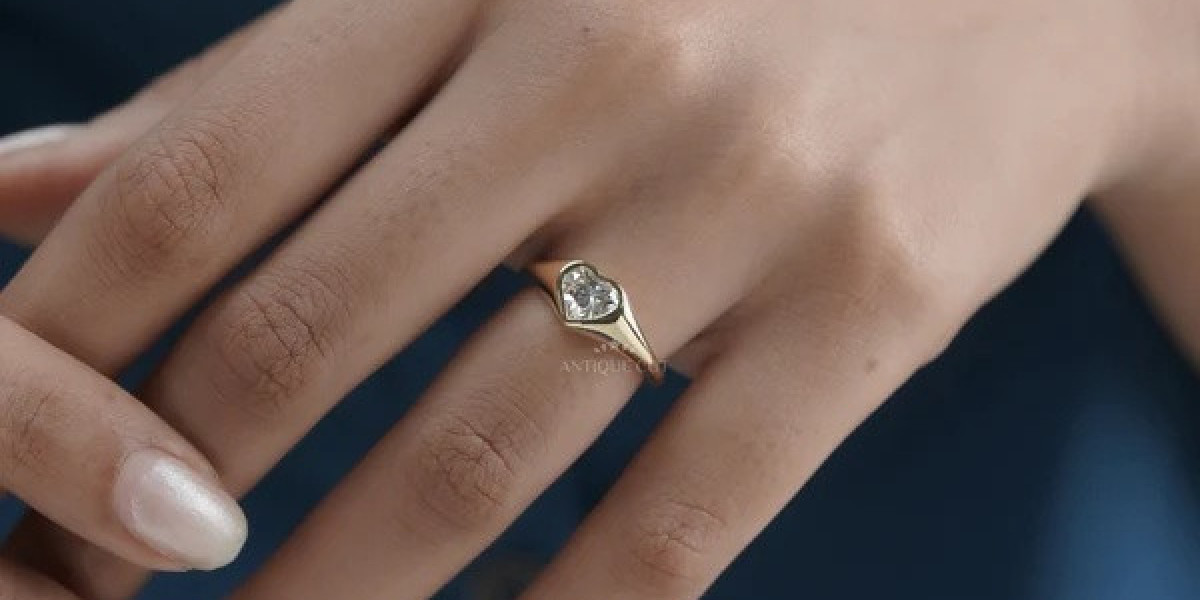
Choosing an engagement ring is about finding a design that feels personal, expressive, and right for the person who will wear it. Heart cut engagement rings naturally attract attention because their shape carries an unmistakable message of love. Unlike traditional round or oval shapes, a heart-shaped diamond has a distinctive outline with two rounded sides and a pointed bottom, creating a design that feels both romantic and individual.
The heart shape is also closely connected with affection and commitment, which makes it especially suitable for an engagement ring. Beyond symbolism, its unusual outline gives the center stone a strong visual identity. Whether paired with a simple band or surrounded by smaller diamonds, a heart-cut center stone can become the main focus of the ring.
For couples who want something different from more familiar diamond shapes, the heart cut offers an opportunity to choose a ring with personality while still keeping the traditional meaning associated with an engagement ring.
The Symbolism Behind the Heart Shape
Few diamond shapes communicate a message as directly as the heart. The shape itself is commonly associated with love, affection, devotion, and emotional connection. That makes a heart-cut diamond particularly meaningful for an engagement, where the ring represents a promise between two people.
For some couples, the appeal is not only visual. They may choose a heart-shaped diamond because they want their ring to carry a clear personal meaning. The pointed base can represent direction and commitment, while the two rounded sides create the familiar heart silhouette associated with love.
This symbolism can make the ring feel more personal than simply selecting a popular diamond shape. It becomes part of the story behind the proposal and the relationship.
A heart-cut diamond can also work well for someone who enjoys jewelry with character. It does not simply blend into a collection of traditional shapes. Instead, its outline immediately gives the ring a recognizable identity.
Why Proportion Matters in a Heart-Cut Diamond
The heart shape may look simple, but creating a well-balanced appearance requires careful attention to proportion. The two upper curves should look reasonably balanced, while the center cleft should be defined enough to make the heart shape easy to recognize.
The length-to-width relationship can also affect the overall appearance. A wider heart may create a softer and fuller look, while a longer heart can appear more elongated. There is no single proportion that works for everyone. Personal preference, finger shape, setting style, and ring design all play a role.
When selecting a heart-shaped diamond, it is worth viewing the stone from different angles. Look closely at the outline and check whether both sides appear balanced. The point should also be well defined without looking overly narrow.
Because the shape is so distinctive, small differences in proportion can change the character of the finished ring. Taking time to compare different stones can therefore make a noticeable difference.
Lab-Grown Options for Heart-Shaped Rings
Technology has created more choices for couples interested in distinctive diamond jewelry. A lab grown heart shaped diamond ring uses a diamond produced in a controlled laboratory environment while maintaining the same basic crystal structure as a mined diamond.
For shoppers, lab-grown diamonds can provide another route to finding a heart-shaped center stone that fits their design preferences and budget. This can be especially useful when someone wants to explore different carat sizes, grades, or ring styles.
A heart shaped lab created diamond ring can also be incorporated into many of the same jewelry designs used with other diamond types. It can serve as a solitaire center stone, sit within a halo, or be paired with accent stones along the band.
When comparing options, shoppers should still pay attention to the diamond's grading information, cut quality, proportions, clarity, color, and certification where applicable. The fact that a diamond is lab-grown does not remove the importance of assessing the individual stone.
Explore Collection of Heart Cut Engagement Rings
For shoppers who already know they want a heart-shaped design, browsing a dedicated collection can make the process easier. An Explore Collection of heart cut engagement rings approach allows you to compare different settings, proportions, band designs, and center-stone sizes in one place.
Rather than choosing the first heart-shaped ring that catches your attention, consider how the complete design works together. The center stone is important, but the band, setting height, side stones, metal choice, and overall proportions also influence the finished appearance.
A collection can also help you identify which details match your personal style. Some people prefer a clean solitaire design, while others may enjoy additional stones around the center. Comparing several options can reveal what feels most suitable before making a final decision.
Popular Settings for Heart-Cut Diamonds
The setting can significantly change how a heart-shaped diamond looks when worn. A few styles are particularly useful for highlighting its distinctive outline.
Solitaire Settings
A solitaire keeps the center diamond as the main feature. With fewer visual distractions, the heart shape remains easy to see. This can be a strong choice for someone who wants the unusual outline to speak for itself.
Halo Settings
A halo places smaller stones around the center diamond. It can create a fuller appearance while adding additional detail around the heart-shaped center. The surrounding stones may also help frame the outline.
Three-Stone Designs
A three-stone ring combines a center heart-shaped diamond with two side stones. This style can carry additional meaning, with the three stones often representing different stages of a relationship.
Pavé Bands
Small diamonds set along the band can add detail without changing the basic identity of the heart-shaped center. Pavé designs can work particularly well for couples who want more visual interest while keeping the center stone as the focal point.
Choosing the Right Metal
The metal used for the ring can influence the overall character of a heart-shaped diamond. White metals can create a clean and bright appearance, while yellow gold introduces warmer tones. Rose gold offers another direction with its soft pinkish tone.
There is no universally correct choice. Skin tone, existing jewelry, personal preference, and everyday lifestyle can all influence the decision.
It is also worth considering whether the engagement ring will be worn alongside a wedding band. A setting with a higher or more structured profile may leave space for a band to sit comfortably beside it. Thinking about the complete ring combination before purchasing can prevent surprises later.
Protecting the Pointed Tip
One feature that deserves special attention with heart-shaped diamonds is the pointed bottom. Because the tip is exposed, the setting should provide suitable protection.
A protective prong or carefully designed setting can help shield the point during everyday wear. When comparing rings, inspect how securely the diamond is held and whether the setting gives the pointed end appropriate coverage.
This is one reason why choosing a reputable jeweler matters. The beauty of a heart-shaped diamond depends partly on how safely and thoughtfully it has been mounted.
Regular checks can also help identify loose stones or worn prongs before they become a larger problem. If the ring is worn every day, periodic professional inspection is a sensible part of jewelry care.
How to Choose the Right Carat Size
Carat size is another important consideration, but bigger is not automatically better. The visual impact of a heart-shaped diamond depends on its proportions and how the stone is set.
A smaller heart can look refined in a delicate solitaire, while a larger center stone may create a more dramatic presence. The width of the finger and the size of the band can also affect how the diamond appears when worn.
Instead of focusing only on the carat number, compare the actual dimensions of the stone. Two diamonds with similar carat weights may have different face-up appearances because of differences in proportions and cutting.
Budget should also remain part of the conversation. Choosing a size that fits comfortably within your budget can make the purchase more enjoyable and leave room for selecting a setting and metal that you genuinely like.
Heart-Shaped Lab-Grown Diamonds for Personal Designs
A heart shaped lab grown diamond ring can be a practical option for couples who want the recognizable heart silhouette while exploring lab-grown diamond choices. The variety of available designs means shoppers can look beyond the center stone and consider the entire ring as a coordinated piece.
Personalization can include the metal, band width, setting style, accent stones, and engraving. Even a simple design can become meaningful when these details are selected with the wearer in mind.
A lab grown heart shaped diamond ring can also suit different styles, from understated rings to more detailed designs. The important point is to choose features that complement the center stone rather than competing with its distinctive shape.
At Antiquecut, shoppers interested in heart-shaped lab-grown designs can consider how different ring details work together before deciding on a final style.
Questions to Ask Before Buying
Before purchasing a heart-cut engagement ring, it helps to ask a few practical questions:
Is the heart shape well balanced?
Is the pointed tip adequately protected?
Does the diamond have suitable proportions?
What grading information is available?
Does the setting hold the stone securely?
Will the engagement ring sit comfortably with a wedding band?
Does the chosen metal suit the wearer's style?
Is the total price within the planned budget?
Will the ring be comfortable enough for regular wear?
These questions can turn an emotional purchase into a more informed decision without taking away from the excitement of choosing the ring.
Why Heart-Cut Rings Remain a Distinctive Choice
The appeal of a heart-shaped diamond comes from the combination of symbolism and design. Its outline communicates love immediately, while its less-common shape gives the ring an individual character.
For couples considering alternatives to traditional diamond shapes, a heart cut can offer something personal without feeling disconnected from classic engagement-ring traditions. Lab-grown choices add another avenue for shoppers who want to compare diamond options according to their preferences and budget.
The key is to look beyond the shape alone. Proportion, setting, protection, metal, carat size, and overall comfort all contribute to the finished ring.
Final Thoughts
A heart-cut diamond ring stands out because it brings together a recognizable symbol of love with a distinctive diamond shape. Its curved top, defined center, and pointed base make it immediately different from more conventional cuts, while its meaning makes it especially fitting for an engagement.
Whether you choose a classic solitaire, a detailed halo, or another setting, taking time to assess the diamond and its setting can help you find a ring that feels right for the wearer. For couples interested in lab-grown options, both a heart shaped lab created diamond ring and a heart shaped lab grown diamond ring can provide additional choices when exploring styles, sizes, and designs.
Ultimately, the best engagement ring is one that reflects the person wearing it and the relationship it represents. A heart-cut diamond does that in a direct and memorable way, making it a compelling choice for couples who want their ring to carry both visual character and personal meaning.