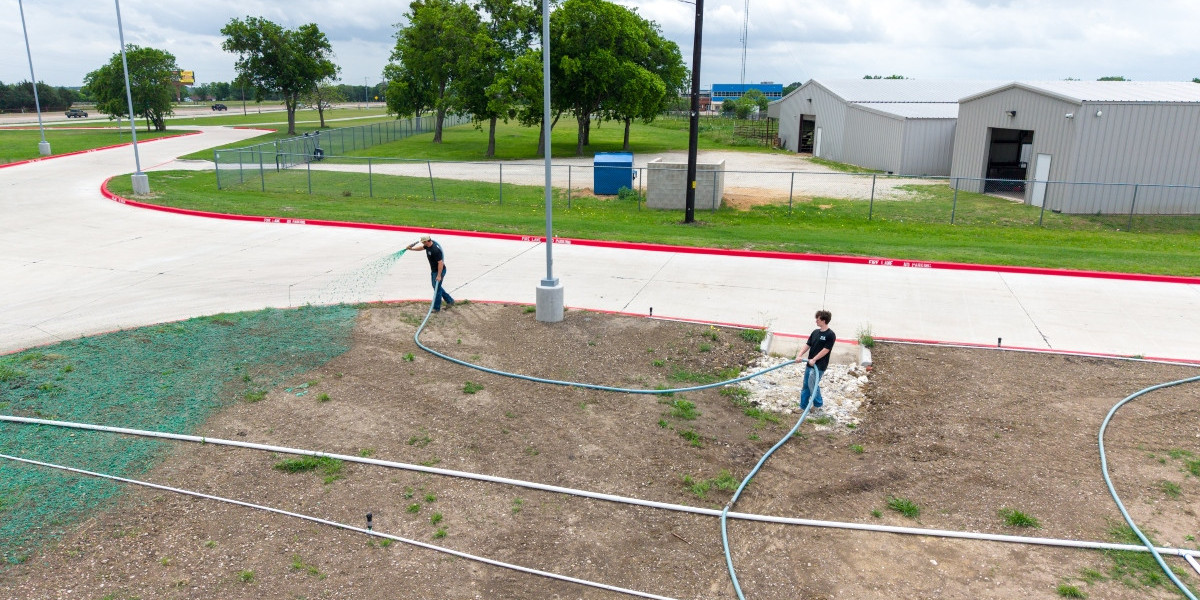

Blackland Prairie soil is one of the defining features of many areas across North Texas, and its characteristics can strongly influence how a new lawn becomes established. This dark, clay-rich soil can hold substantial amounts of moisture, but it may also become very hard when dry and sticky when excessively wet. Those changing conditions make grass selection an important part of any successful lawn establishment project. Hydroseeding can provide an efficient way to distribute seed across prepared soil while incorporating mulch and water into the application. Choosing a grass variety that matches both the soil and the regional climate can give the lawn a stronger foundation for long-term growth.
Contractors need to consider soil structure, drainage, sunlight, seasonal temperatures, irrigation, expected foot traffic, and the property's maintenance capabilities. Hydroseeding North Texas properties requires more than selecting a seed mixture and spraying it across the ground. Blackland Prairie soil can create particular challenges when it becomes compacted or poorly drained, especially on recently developed construction sites. Proper preparation helps create the conditions needed for roots to penetrate and establish successfully. When the seed, soil, application method, and maintenance plan are treated as one system, hydroseeding can become a practical approach for both residential and larger landscape projects.
Understanding Blackland Prairie Soil
Blackland Prairie soil is known for its dark color and high clay content, characteristics that affect how water moves through the ground. Clay soils can retain moisture effectively, which can benefit grass during dry periods when an established root system is present. However, the same characteristic can create problems when the soil becomes saturated or heavily compacted. Wet clay can become difficult to work, while dry clay may become hard enough to restrict root penetration. Understanding these physical properties is essential before selecting a grass seed for hydroseeding.
Soil conditions can vary considerably even within properties located in the same broad region. Construction activity, grading, imported fill, erosion, drainage modifications, and repeated equipment traffic can change the original soil profile. A lawn installed over heavily compacted ground may struggle regardless of how suitable the seed mixture is. For this reason, contractors should inspect the site instead of assuming that every Blackland Prairie property has identical growing conditions. Soil preparation should be considered a fundamental part of the hydroseeding process rather than an optional extra.
Why Grass Selection Matters in North Texas
North Texas lawns face a combination of environmental pressures that can affect turf throughout the year. Summer heat can increase evaporation and place stress on young plants, while periods of heavy rainfall can create temporary saturation and surface runoff. Winter temperatures can also slow or stop growth depending on the grass species. A suitable turf variety must therefore be able to establish under the property's seasonal conditions and remain useful after the initial germination period. Choosing grass based only on appearance can lead to unnecessary maintenance or poor long-term performance.
Grass selection should also reflect how the property will be used. A commercial lawn exposed to regular pedestrian activity may require different characteristics from a lightly used residential yard. Areas beneath trees may need greater shade tolerance, while open fields can place more emphasis on heat and drought performance. Irrigation availability is another important consideration because some grasses can tolerate periods of limited moisture better than others. A professional evaluation can help match the seed mixture to the actual demands of the site.
Warm-Season Grasses for Blackland Prairie Conditions
Warm-season grasses are commonly considered for North Texas because they are adapted to active growth during the region's warmer months. Several turf options may be suitable depending on the property's sunlight, soil, drainage, maintenance expectations, and intended use. Bermuda grass is widely valued for its heat tolerance, recovery ability, and performance in sunny locations. It can be appropriate for lawns and high-use areas when properly established and maintained. However, Bermuda generally performs best with substantial sunlight and may not be the ideal choice for heavily shaded sections.
Zoysia is another warm-season option that can provide a dense, attractive turf when matched with appropriate site conditions. Certain zoysia varieties offer useful tolerance to heat and can perform well in different landscape settings. St. Augustine grass may also be considered where shade tolerance is important, although it has different water, disease, and maintenance considerations. The right selection depends on more than the grass name because individual cultivars can have different performance characteristics. Contractors should discuss the specific variety being proposed rather than relying only on a general grass category.
Matching Seed to Sunlight and Shade
Sun exposure can be one of the most important factors when selecting grass for hydroseeding. A variety that performs exceptionally well in direct sunlight may thin out when planted beneath mature trees or alongside buildings. Conversely, a shade-tolerant grass may not always provide the same performance in areas exposed to intense summer heat and heavy traffic. Large properties often contain multiple microenvironments, so using one seed mixture across every section may not produce the most consistent results. Mapping sunlight and shade before application can help contractors make more informed recommendations.
Shade also affects soil moisture because covered areas may lose water differently from open ground. Tree roots can compete with developing grass for moisture and nutrients, while falling leaves can alter the surface environment. These conditions should be considered alongside the grass's natural tolerance for reduced sunlight. Where turf conditions are unsuitable, a landscape professional may recommend an alternative groundcover or planting strategy rather than forcing grass to grow in a difficult location. Good planning is about selecting vegetation that fits the site rather than trying to make every part of a property identical.
Preparing Blackland Prairie Soil for Hydroseeding
Proper soil preparation is particularly important when working with clay-rich ground. Heavy equipment can compact the surface during construction, limiting the ability of young roots to penetrate the soil. Contractors may need to loosen compacted areas and establish an appropriate seedbed before the hydroseeding slurry is applied. Grading should also create suitable surface drainage without encouraging concentrated runoff. The objective is to create a stable growing environment where seed can maintain contact with the soil and developing roots can move downward.
Soil amendments should be considered based on actual site conditions rather than automatically adding products to every project. Soil testing can provide useful information about pH and nutrient availability when there is uncertainty about fertility. Organic matter or other amendments may be appropriate in some situations, while drainage or compaction may be the more important issue in others. A professional should explain why a particular preparation method is being recommended. Addressing the actual limitation of the soil is generally more useful than applying a standard treatment without evaluation.
How Hydroseeding Supports Seed Establishment
Hydroseeding combines grass seed with water, mulch, and other materials into a sprayable slurry. Once applied to prepared soil, the mulch can help maintain moisture around the seed and provide temporary surface protection. This can be particularly useful when the lawn is exposed to wind, heat, or periods of rainfall during early establishment. The application also allows seed to be distributed across broad or irregular areas more efficiently than some traditional seeding approaches. Uniform application can give the lawn a more consistent starting point when the equipment is operated correctly.
The slurry formulation should be adjusted according to the project rather than treated as a universal recipe. Seed type, slope, soil condition, erosion potential, weather, and application objectives can all influence the materials and rates used. Some projects may require additional attention to erosion control, particularly where the site contains slopes or concentrated drainage. Hydroseeding does not replace proper grading or drainage design. Instead, it works most effectively as part of a broader turf establishment strategy.
Water Management in Clay Soil
Watering a newly hydroseeded lawn requires particular care when the underlying soil has significant clay content. Clay can retain moisture, meaning excessive irrigation may create saturated conditions instead of simply helping the seed germinate. At the same time, the upper surface can dry and harden during periods of intense heat if moisture is not managed appropriately. The irrigation strategy should therefore consider both the soil's ability to retain water and the current weather conditions. Frequent observation is often more useful than following an unchanging watering schedule.
As grass becomes established, irrigation practices should gradually support deeper root development rather than keeping the surface constantly wet. The appropriate schedule depends on grass variety, soil condition, temperature, rainfall, and the property's drainage. Homeowners and property managers should monitor signs of stress and adjust irrigation when conditions change. Newly planted turf also needs protection from excessive foot traffic until roots are sufficiently developed. Good watering practices during establishment can have a lasting effect on turf density and resilience.
Commercial Hydroseeding for Large North Texas Properties
Large developments often require vegetation to be established across substantial areas of exposed or newly graded ground. Commercial hydroseeding services can provide an efficient application method for business parks, industrial properties, residential developments, roadside areas, recreational spaces, and other large landscapes. Spraying the slurry allows operators to cover extensive areas while incorporating seed and mulch in the same process. This can reduce some of the labor associated with manually distributing seed across large properties. The actual cost and efficiency depend on site access, preparation, terrain, seed selection, and project size.
Commercial projects also require careful coordination because other construction activities may continue while turf is being established. Newly hydroseeded areas can be damaged by vehicles, equipment, material storage, or unnecessary foot traffic. Project managers should establish clear boundaries and coordinate schedules so that landscaping receives adequate protection. Irrigation plans should also be ready before application rather than being developed afterward. Good communication between the hydroseeding contractor and other site teams can reduce avoidable damage during the establishment period.
Timing Hydroseeding for Better Establishment
Seasonal timing should be considered alongside soil and grass selection. Warm-season grasses generally establish during periods when soil and air temperatures support active growth, making the timing of application important. Applying seed during extreme heat can increase irrigation demands, while colder periods can slow development. Heavy storms shortly after application may also disturb exposed soil and newly placed mulch. Contractors should evaluate the upcoming weather pattern rather than relying only on a predetermined calendar date.
The ideal timing can also depend on how quickly the property needs usable turf. A commercial development approaching completion may have different scheduling requirements from a residential lawn renovation where the owner can wait for gradual establishment. Property managers should understand that germination is only the beginning of the process. Young grass needs additional time to develop roots and become capable of tolerating normal mowing and traffic. Realistic expectations can prevent unnecessary corrective work during the natural establishment period.
Avoiding Common Hydroseeding Mistakes
One common mistake is assuming that hydroseeding can correct poor soil conditions automatically. If the ground is severely compacted, poorly graded, or inadequately drained, the seed may struggle even when the slurry is professionally applied. Another mistake is selecting seed based only on fast germination without considering long-term performance. A rapidly emerging grass that cannot tolerate the property's sunlight, traffic, or climate may create greater maintenance challenges later. Proper planning should always prioritize suitability over marketing claims.
Inadequate aftercare can also undermine an otherwise well-executed application. Newly hydroseeded areas need appropriate moisture, protection from traffic, and monitoring during early development. Homeowners should follow the provider's watering and mowing recommendations while adjusting them when weather conditions change. Commercial property managers should inspect large sites after heavy rainfall to identify erosion or displaced material. Early intervention can help prevent minor problems from becoming expensive turf failures.
Selecting a Hydroseeding Professional
When choosing a provider, ask about experience with North Texas soil conditions and the grass varieties recommended for your property. A qualified contractor should be able to explain how the site will be prepared and why a particular seed mixture is appropriate. It is also useful to ask what the slurry contains, how the application will be performed, and what maintenance will be required afterward. Written estimates should clearly identify preparation, materials, application, and any additional services. These details make it easier to compare providers based on overall value rather than price alone.
Property owners should also look for realistic communication about germination and establishment timelines. No responsible contractor can completely control weather, soil behavior, irrigation, or biological growth. A professional should explain the factors that may affect results and provide practical recommendations for managing them. References or examples of comparable projects can also provide useful evidence of experience. Choosing a provider with a site-specific approach can improve the likelihood of developing healthy turf suited to the property's actual conditions.
Final Thoughts
Hydroseeding North Texas lawns over Blackland Prairie soil can be highly effective when grass selection, soil preparation, application timing, irrigation, and maintenance are carefully coordinated. The region's clay-rich soil can provide useful moisture retention, but compaction and drainage issues must be managed before seed is applied. Choosing a grass that matches sunlight, traffic, water availability, and seasonal conditions is equally important. Hydroseeding provides an efficient way to distribute that seed while using mulch to support early moisture retention and surface protection. The process works best when it is treated as a complete establishment plan rather than a single spraying service.
For larger developments, commercial hydroseeding services can provide the equipment, materials, and application experience needed to cover expansive areas efficiently. Residential properties can benefit from the same principles on a smaller scale, particularly when yards are newly graded or contain irregular terrain. The strongest results come from evaluating the soil first, selecting appropriate turf, preparing the site properly, and maintaining adequate moisture after application. With a practical, site-specific approach, North Texas property owners can work with the characteristics of Blackland Prairie soil rather than fighting against them. That preparation can create a stronger foundation for attractive, durable turf throughout the seasons.