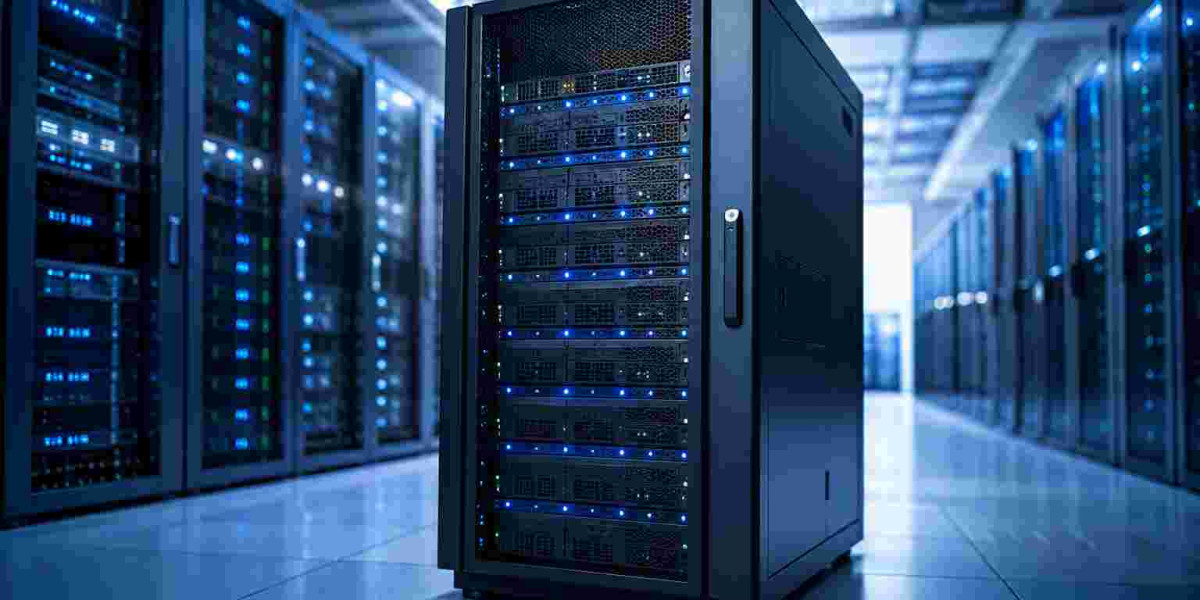

Choosing dedicated servers in delhi can be an important decision for businesses that need consistent computing resources, greater control, and predictable performance. Unlike shared hosting, where several websites operate on the same physical machine, a dedicated environment assigns the server's resources to one customer. This setup can be useful for websites, applications, databases, and business systems with specific technical requirements.
One of the first considerations is hardware configuration. Businesses should look at processor type, RAM capacity, storage technology, and network connectivity based on their workload. A website with moderate traffic may not require the same resources as a database-heavy application or a platform handling large numbers of simultaneous users.
Location can also matter. A server located in Delhi may provide a suitable option for businesses whose users and operations are concentrated in northern India. Physical location can influence network latency, although actual performance depends on routing, connectivity, and the user's location.
Security is another factor to examine. Businesses should consider access controls, firewall policies, operating system updates, monitoring, backups, and data protection practices. Server security is not determined by hardware alone. Proper configuration and regular maintenance are equally important.
Management requirements should also be evaluated before selecting infrastructure. Some organizations have technical teams that can manage operating systems, applications, security patches, and troubleshooting. Others may need administrative support. Understanding who will handle these responsibilities can prevent operational problems later.
Storage deserves attention as well. SSD and NVMe storage can provide faster data access than traditional hard drives, while RAID configurations can offer additional protection against certain hardware failures. However, RAID should not be treated as a replacement for regular backups.
Scalability is worth considering even when current requirements are modest. Traffic, applications, databases, and business workloads can grow over time. Choosing hardware with enough capacity for expected changes can reduce the need for frequent infrastructure adjustments.
Cost should be evaluated beyond the monthly server charge. Businesses may also need to account for software licenses, backups, monitoring, bandwidth, administration, security tools, and maintenance. Comparing the complete operating cost gives a clearer picture of the infrastructure investment.
For organizations evaluating server infrastructure, the right choice depends on workload, resource requirements, location, security practices, management capabilities, and future needs. A dedicated server should be selected according to these practical factors rather than simply choosing the highest available specifications.