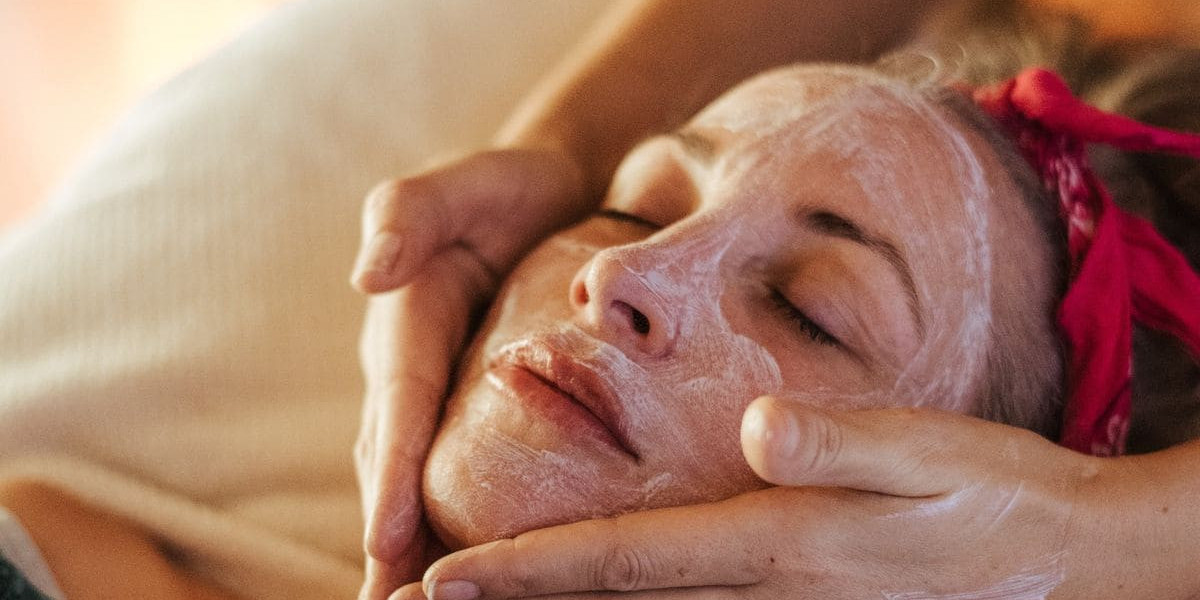

When people think about healthcare, they often imagine a doctor’s appointment, a prescription, or a treatment plan designed to address a particular condition. But modern wellness is increasingly moving toward something broader: understanding the person behind the symptoms. This is where holistic skin and medical care in Mauritius can offer a more thoughtful approach, bringing together medical guidance, skin health, lifestyle awareness, wellness, and personalized support.
Mauritius is well known for its beaches, peaceful surroundings, and relaxed lifestyle, but the island also has a growing range of healthcare, dermatology, aesthetic, wellness, and complementary-care services. Patients can find options ranging from medical clinics and skin specialists to wellness centers and holistic practitioners. For anyone considering healthcare while in Mauritius, the key is not simply finding a treatment—it is finding an approach that considers individual needs, medical history, lifestyle, and long-term well-being.
What Does Holistic Skin and Medical Care Mean?
Holistic healthcare does not mean replacing conventional medicine with natural remedies or alternative therapies. Instead, it means looking at health from a wider perspective while keeping appropriate medical care at the center.
Skin health is a good example. A person may experience acne, pigmentation, dryness, premature aging, irritation, or recurring skin problems. Treating the visible symptom may be helpful, but other factors can also influence the skin, including stress, sleep, nutrition, medications, environmental exposure, hydration, and daily skincare habits.
A holistic approach therefore asks a bigger question: What could be contributing to this person's overall skin and health concerns?
That does not mean every skin problem has an underlying lifestyle cause. Medical conditions still require proper assessment and evidence-based treatment. However, understanding the wider picture can help patients make better-informed decisions.
Why Skin Health Is About More Than Appearance
Healthy skin is not simply about having a clear or youthful complexion. The skin is the body's largest organ and provides an important protective barrier. Changes in the skin can sometimes be associated with allergies, infections, inflammation, hormonal changes, environmental factors, or other health concerns.
For this reason, professional skin care should go beyond cosmetic improvement.
Someone dealing with persistent acne, unusual pigmentation, recurring rashes, unexplained irritation, or changes in a mole should consider professional medical evaluation rather than relying solely on cosmetic products. A qualified healthcare professional can determine whether a concern requires treatment, monitoring, further testing, or specialist referral.
At the same time, people who simply want to improve their skin routine may benefit from personalized advice about cleansing, moisturizing, sun protection, nutrition, and lifestyle habits.
This balance between medical expertise and everyday wellness is an important part of holistic care.
Personalized Care Makes a Difference
One of the biggest advantages of a holistic approach is personalization.
There is no universal skincare routine that works perfectly for everyone. Skin type, age, genetics, climate, occupation, medication use, allergies, and existing medical conditions can all influence what is appropriate.
For example, a person with sensitive skin may need a very different routine from someone with oily, acne-prone skin. Someone experiencing pigmentation may require careful assessment before considering cosmetic procedures. A person undergoing a medical treatment may also need specific guidance about skincare products or sun exposure.
A personalized consultation allows healthcare professionals to understand these differences before suggesting a plan.
This is particularly useful for people visiting Mauritius from another country. International patients may have different medical records, previous treatments, medications, and expectations. Sharing relevant information with a healthcare professional can make the consultation more productive and help avoid unnecessary treatments.
The Importance of Professional Skin Assessment
A skin consultation should begin with understanding the concern rather than immediately recommending a procedure.
During an assessment, a healthcare professional may ask about the patient's medical history, previous treatments, medications, allergies, lifestyle, skincare routine, and how long the concern has been present.
Depending on the issue, professional care may involve dermatological treatment, medication, topical products, lifestyle recommendations, aesthetic procedures, or referral to another specialist.
The important point is that treatment should follow assessment.
Patients should also feel comfortable asking questions. What is the purpose of the treatment? Are there possible side effects? How many sessions might be required? What should be avoided afterward? Are there alternative options?
Clear communication can make healthcare less stressful and help patients make decisions with realistic expectations.
Combining Skin Care With Overall Wellness
Holistic care can also encourage people to look at everyday habits that support general health.
Sleep is one example. Poor sleep can affect how people feel, recover, and manage daily stress. Nutrition is another important consideration. A balanced diet supports general health, although it is important not to assume that a particular food or supplement will automatically cure a skin condition.
Hydration, regular physical activity, sun protection, stress management, and good hygiene can also contribute to a healthy lifestyle.
These habits are not substitutes for medical treatment when treatment is required. Rather, they can complement appropriate healthcare.
This distinction is important because the word "holistic" is sometimes misunderstood. Responsible holistic care should work alongside evidence-based medical care rather than encouraging people to ignore symptoms or delay necessary treatment.
Mauritius as a Wellness Destination
Mauritius provides an interesting environment for people who want to combine healthcare planning with a peaceful wellness experience. The island's natural surroundings can make it easier for visitors to slow down, rest, and focus on personal well-being.
Across Mauritius, people can find different types of healthcare and wellness services. For example, Atelier Clinic Mauritius is listed as a medical clinic in Floreal, while Prana Skin & Laser Clinic provides skin-focused services in Moka. Island Health Medical Centre is another healthcare option in Quatre Bornes. These examples demonstrate the range of services available across the island, although patients should independently verify suitability, qualifications, treatment availability, and current details before choosing a provider.
For people interested in wellness alongside conventional healthcare, Mauritius also has establishments offering complementary and holistic services. Vidim Ayurveda | Spa and Massage center, Mauritius, for example, is listed as an Ayurvedic clinic in Goodlands, while Spa Le Chamarel Holistic Retreat & Welllness offers a wellness-oriented setting in Chamarel.
The right choice ultimately depends on the individual's health needs and the type of professional care required.
A Better Approach to Medical Travel
Medical travel can be exciting, but it also requires careful planning. Traveling for treatment is different from taking a normal holiday. Patients may need consultations before arrival, medical records, treatment schedules, accommodation, transportation, recovery time, and follow-up arrangements.
A coordinated approach can make the process easier.
Before traveling, patients should gather relevant medical documents, including previous diagnoses, prescriptions, laboratory reports, imaging results, and information about earlier procedures. If the information is not in a language understood by the healthcare provider, arranging an appropriate translation may be useful.
Patients should also understand the expected treatment timeline. Some procedures require multiple appointments, while others may involve a recovery period. Planning these details in advance helps avoid unnecessary pressure during the trip.
Choosing the Right Provider
Finding a suitable provider is perhaps the most important part of the process.
Patients should consider the professional's qualifications, experience, treatment approach, facility standards, consultation process, and reputation. It is also sensible to ask whether the provider is appropriately licensed or registered for the services being offered.
Do not choose a medical treatment simply because it is advertised as the newest, fastest, or most affordable option.
A responsible provider should explain both benefits and potential risks. They should also be willing to say when a particular treatment is not suitable.
For aesthetic procedures especially, realistic expectations matter. A professional consultation should focus on what can reasonably be achieved rather than promising perfect or instant results.
Skin Care in the Mauritian Climate
Mauritius has a warm, tropical climate, which makes sun protection especially important.
Regular exposure to ultraviolet radiation can contribute to sunburn, premature skin aging, pigmentation, and an increased risk of skin damage. Good sun protection should therefore be part of everyday skin care, particularly for people spending time outdoors.
Simple habits can include using an appropriate broad-spectrum sunscreen, reapplying it as directed, wearing protective clothing, using hats or sunglasses, and seeking shade when the sun is strongest.
People undergoing certain dermatological or aesthetic treatments may need additional precautions. Their healthcare provider should provide specific instructions based on the procedure and individual skin condition.
The Role of Aftercare
Treatment does not necessarily end when a consultation or procedure is finished.
Aftercare can be an important part of achieving a safe and satisfactory outcome. Depending on the treatment, patients may receive instructions about cleansing, moisturizing, sun exposure, physical activity, medications, or products to avoid.
International patients should pay particular attention to follow-up arrangements. If they are returning home soon after treatment, they should know whom to contact if they have questions or experience unexpected symptoms.
A well-planned healthcare journey therefore includes both treatment and follow-up.
Building a Long-Term Skin and Wellness Routine
One of the most valuable lessons from holistic healthcare is that health is an ongoing process.
Instead of constantly searching for quick fixes, people can benefit from creating sustainable routines. This may include a simple skincare regimen, regular medical checkups when appropriate, balanced nutrition, adequate rest, sun protection, exercise, and stress-management practices.
The routine does not need to be complicated.
In fact, a simple routine that someone follows consistently is often more practical than an elaborate routine that becomes difficult to maintain. The goal is to support healthy habits that fit naturally into everyday life.
When Medical Advice Should Come First
Although wellness practices can support general health, they should never replace professional medical evaluation when symptoms are concerning.
Persistent or worsening skin changes, painful lesions, severe allergic reactions, unexplained wounds, infections, rapidly changing moles, or other unusual symptoms deserve appropriate medical attention.
Similarly, people with existing medical conditions should speak with their healthcare provider before beginning supplements, restrictive diets, intensive wellness programs, or complementary treatments.
The best holistic care is not about choosing between medicine and wellness. It is about using each appropriately.
Making Your Healthcare Journey More Comfortable
For anyone exploring holistic skin and medical care in Mauritius, the experience should be centered around informed, personalized, and respectful care.
Take time to understand your concern. Research appropriate providers. Ask questions. Share your medical history honestly. Understand the potential benefits and risks of any treatment. And remember that good healthcare should never pressure you into making a decision before you are ready.
Mauritius offers a combination of medical, skin, wellness, and complementary services that can appeal to both residents and visitors. Whether someone is looking for professional skin advice, medical consultation, wellness support, or a broader approach to personal health, the most important factor is finding care that matches their individual needs.
Ultimately, healthy skin is only one part of feeling well. When medical expertise, sensible skincare, healthy lifestyle habits, and thoughtful patient support come together, the result can be a more balanced approach to wellness—one that focuses not just on how a person looks, but on how they feel and function in everyday life.
For those researching holistic skin and medical care in Mauritius, starting with a professional consultation is often the most sensible first step. From there, an individualized plan can help determine which treatments, lifestyle changes, and wellness practices are genuinely appropriate.