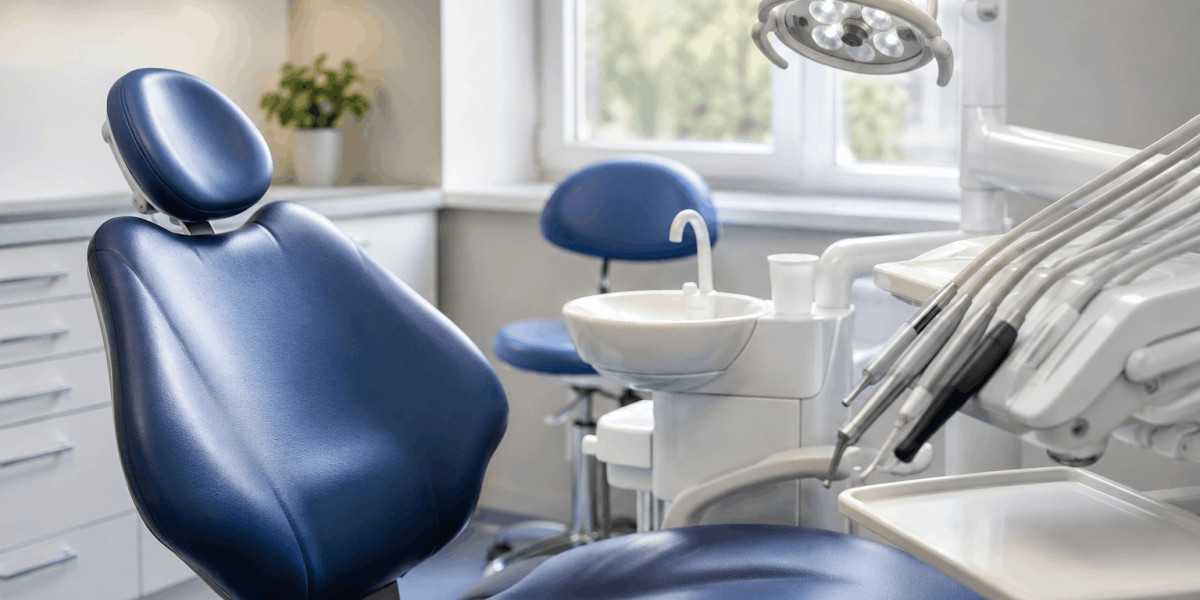

Finding an Emergency Dentist in Charlotte can be important when severe tooth pain, facial swelling, uncontrolled bleeding, a broken tooth, or a dental injury occurs unexpectedly. Unlike routine dental concerns, urgent problems may require prompt professional evaluation to control pain, protect the affected tooth, and reduce the risk of complications. For Charlotte residents, knowing which symptoms require immediate attention can help prevent a manageable dental issue from becoming more serious.
When Is a Dental Problem an Emergency?
Not every toothache requires immediate treatment, but certain symptoms should not be ignored. Severe or persistent tooth pain, significant swelling around the gums or face, a knocked-out tooth, uncontrolled oral bleeding, a broken tooth with exposed tissue, or signs of infection can all warrant urgent dental evaluation.
A dental infection is particularly important because it may progress if treatment is delayed. The CDC reports that 21% of adults ages 20–64 had at least one untreated cavity during 2017–March 2020. Untreated decay can cause pain and infection and, in severe cases, may contribute to serious health complications.
Common Reasons Charlotte Residents Seek Urgent Dental Care
Sudden dental emergencies can happen at home, at work, during sports, or while traveling around the Charlotte area. Common causes include advanced tooth decay, dental abscesses, cracked or fractured teeth, lost fillings or crowns, gum infections, and accidental injuries.
A tooth that has been knocked out requires especially prompt attention. Instead of waiting for a regular appointment, patients should seek professional guidance as quickly as possible. Acting promptly may improve the chances of preserving the affected tooth, depending on the circumstances.
Likewise, swelling accompanied by fever, difficulty swallowing, or difficulty breathing should be treated as a serious warning sign. In situations involving breathing difficulty or rapidly increasing swelling, emergency medical care may be necessary.
Why Delaying Treatment Can Make Dental Problems Worse
Dental pain sometimes appears to improve temporarily, but the underlying problem may still be present. For example, an infection can continue developing even when discomfort becomes less noticeable. Delaying evaluation may allow decay, infection, or structural damage to progress and potentially require more extensive treatment.
National data demonstrate how common untreated dental problems remain. CDC surveillance found that 20.5% of dentate adults ages 20–64 had untreated tooth decay in permanent teeth during 2017–March 2020.
Prompt treatment can therefore be more than a way to manage discomfort. It can help identify the underlying cause and determine the most appropriate next step.
Emergency Dentist or Hospital Emergency Department?
People experiencing severe dental pain sometimes go directly to a hospital emergency department. However, a hospital emergency department may not be equipped to provide definitive dental treatment because its primary focus is broader medical emergencies.
The American Dental Association estimates that more than 2 million hospital emergency-department visits occur annually because of dental pain. It also reports that many dental-related emergency visits can be redirected to dental offices where patients can receive treatment addressing the underlying oral condition.
For a dental-specific problem, an urgent dental evaluation can often provide a more targeted approach. However, patients with life-threatening symptoms such as difficulty breathing, severe facial swelling extending toward the airway, or significant trauma should seek emergency medical assistance immediately.
What to Expect During an Urgent Dental Visit
An urgent dental appointment generally begins with an assessment of symptoms and the affected area. Depending on the situation, the dental professional may perform an examination and recommend diagnostic imaging to determine what is causing the problem.
Treatment depends on the diagnosis. Options may include repairing a damaged tooth, treating an infection, addressing a dental abscess, managing an injured tooth, or recommending extraction when a tooth cannot be safely restored. The objective is to stabilize the immediate problem while developing an appropriate treatment plan.
Patients should be prepared to explain when the symptoms started, whether the pain is constant or intermittent, whether swelling is present, and whether there has been an accident or recent dental procedure.
Dental Emergencies in the Charlotte Community
Charlotte is a growing North Carolina metropolitan area where residents may need convenient access to dental care outside traditional appointment schedules. Having a plan for urgent oral health problems can be particularly useful for families, working professionals, students, and anyone who participates in recreational or contact sports.
The location of the dental provider can also matter when someone is experiencing significant discomfort. Emergency Dentist in Charlotte is located at 1824 East Arbors Drive, Charlotte, NC, providing a local point of contact for individuals seeking assistance with urgent dental concerns.
How to Reduce the Risk of Future Dental Emergencies
Although accidents cannot always be prevented, many dental emergencies are associated with problems that can be identified earlier. Regular examinations, professional cleanings, good brushing and flossing habits, appropriate fluoride use, and timely treatment of cavities can reduce the likelihood of developing severe dental problems.
Wearing a properly fitted mouthguard during contact sports can also help protect teeth from traumatic injuries. Patients should additionally avoid using their teeth to open packages or bite excessively hard objects, as these habits can contribute to cracks and fractures.
The CDC emphasizes that oral health is closely connected with overall well-being and that untreated cavities can cause pain and infection.
Final Thoughts
A sudden dental problem should never be dismissed simply because the discomfort temporarily decreases. Recognizing warning signs and seeking appropriate care early can help protect oral health and prevent complications. For people in the Charlotte area, Emergency Dentist in Charlotte offers a local option for addressing urgent dental concerns at 1824 East Arbors Drive, Charlotte, NC.
When unexpected tooth pain, injury, swelling, or other serious symptoms occur, contacting Emergency Dentist in Charlotte can help patients understand their treatment options and determine the next appropriate step.
“Oral health is essential to general health and well-being.” — Centers for Disease Control and Prevention