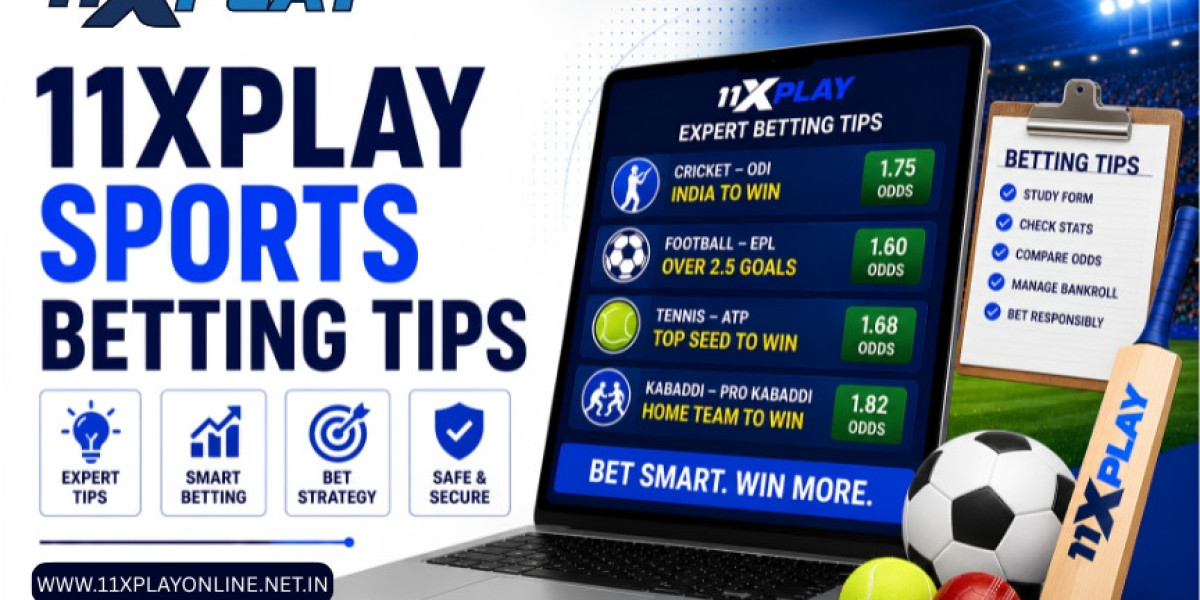

Choosing a sports market is easy; choosing the right one for your situation takes a little more thought. When several matches, formats, and market types appear on one screen, comparing them carefully can help you understand the available options instead of making a rushed decision.
Understand What a Sports Market Means
A sports market is simply a specific type of outcome or event available for a match. Depending on the sport and competition, you may see different market categories covering match results, player performances, totals, handicaps, and other match-related possibilities.
On 11xplay, start by identifying the sport and competition you want to explore. Once you open a particular event, look through its available markets before focusing on any single option.
This approach gives you a broader view of what is available and makes it easier to compare similar markets.
Compare Markets by Match Context
The same match can contain several different markets, but they do not all require the same type of analysis.
For example, when looking at a cricket match, consider factors such as:
- Recent team performance
- Playing conditions
- Venue characteristics
- Confirmed line-ups
- Recent head-to-head results
- Player availability
- Match format
For football, you might instead pay closer attention to team form, injuries, home advantage, defensive records, and scoring trends.
The key is to match your research with the market rather than treating every option in exactly the same way.
Check the Market Details Carefully
Market names can look straightforward, but the details matter. Before making any decision, read what the market actually represents.
Pay attention to:
- The teams or players involved
- The exact event being measured
- Any applicable conditions
- The time or stage of the match
- Whether the market is pre-match or live
- How the displayed figures change
Taking a few extra seconds to understand the market can prevent confusion later.
Compare Similar Options Side by Side
One useful method is to compare markets that relate to the same match or outcome.
Suppose you are reviewing a cricket fixture. Instead of immediately selecting the first option you notice, examine several related markets and ask:
What is this market measuring?
What information would influence it?
How different is it from the other available options?
Do I understand the conditions attached to it?
This simple comparison process helps separate genuinely useful information from markets that may not suit your understanding or interests.
Use Live Markets Differently
Live markets can change quickly because they respond to events happening during the match. On 11xplay live, displayed information may shift as the game develops.
That means live markets require extra attention. A cricket market, for example, can be affected by wickets, partnerships, run rates, overs remaining, or changes in momentum. In football, a goal, red card, substitution, or injury can alter the context considerably.
If you are reviewing live markets, avoid relying only on a changing number. Consider what has happened on the field and whether you understand why the market has changed.
Don't Compare Markets Only by Numbers
Numbers are useful, but they should not be the only factor in your comparison.
A better approach combines the displayed market information with relevant sporting facts. Looking at recent form, team news, statistics, and match conditions can provide useful context.
It is also important to recognize uncertainty. No amount of research can guarantee an outcome, and past performance does not automatically predict what will happen next.
Keep Your Comparison Organized
When several events are available, it is easy to jump between markets without a clear process. A simple routine can make your research more consistent:
- Select the sport.
- Choose the competition or match.
- Review the available market categories.
- Identify similar markets.
- Read their conditions carefully.
- Check relevant match information.
- Compare the options.
- Set a clear personal limit before participating.
If you need to access your account first, use 11xbet app login and make sure you are using your own secure credentials. Never share passwords or account details with other people.
Consider Your Budget
Market comparison should also include financial discipline. Decide how much you are comfortable spending before participating and avoid increasing that amount simply because an earlier decision did not work out.
A sensible personal limit can help keep sports activity recreational rather than turning it into an attempt to recover losses.
Final Thoughts
Comparing sports markets is mainly about understanding what you are looking at before making a decision. Review the match context, read market conditions, compare similar options, and treat live information with extra caution.
The strongest habit is not chasing the biggest-looking opportunity—it is taking time to understand each market and making decisions within a budget you can comfortably afford to lose. If you are exploring 11xbet or related sports markets, responsible participation and careful comparison should remain more important than trying to predict every result.