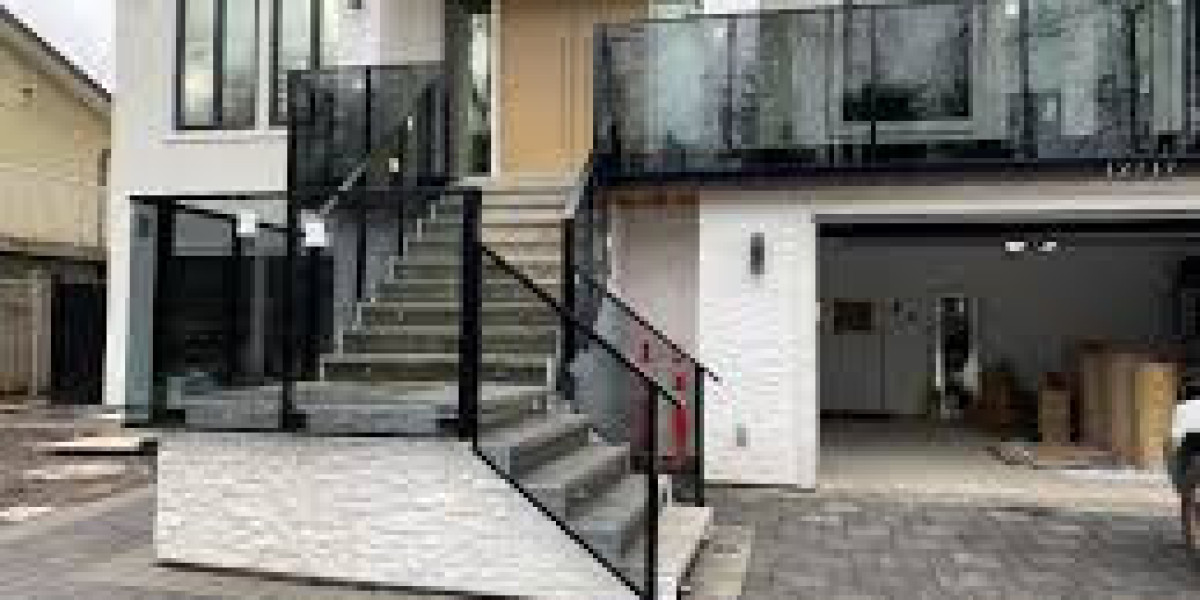

For property owners looking for a combination of modern appearance, durability, and customization, custom aluminum picket railing design in Surrey can be an excellent option to consider. Aluminum picket railings can be designed to suit different property styles, layouts, and outdoor applications while offering relatively low-maintenance performance.
A custom railing project is about more than simply selecting a material. Proper measurements, design, spacing, finishing, installation, and integration with existing structures all contribute to the final result.
Why Railing Design Matters
A railing is one of the most visible features of many outdoor areas. It can influence the appearance of a deck, staircase, balcony, or porch while also serving an important functional purpose.
An appropriately designed railing can provide:
- Support
- Defined boundaries
- Improved usability
- A finished appearance
- Architectural consistency
- A more attractive outdoor space
Because every property has a different layout, custom design can often provide better results than trying to use a one-size-fits-all solution.
Why Choose Aluminum Picket Railings?
Aluminum is commonly used for exterior railings because it offers several useful characteristics.
It is lightweight compared with many traditional metals while providing durability for suitable applications. It is also known for its resistance to corrosion, making it a practical consideration for outdoor environments.
For homeowners, another advantage is that aluminum typically requires less routine maintenance than materials that need frequent painting or staining.
Modern Appearance
Aluminum picket railings can create a clean and organized appearance.
Their simple vertical lines can complement:
- Contemporary homes
- Traditional homes
- Modern decks
- Garden areas
- Balconies
- Porches
- Commercial properties
The final appearance can be customized according to the project's design requirements.
Custom Design for Different Properties
Every property presents different challenges.
A railing may need to accommodate:
- Curved areas
- Stairs
- Different deck elevations
- Corners
- Landings
- Existing structures
- Unusual property layouts
A custom approach allows the railing to be designed around these conditions.
Professional Measurements
Accurate measurements are essential before fabrication begins.
A professional contractor can evaluate the area and determine relevant dimensions, connection points, corners, stair sections, and other requirements.
Accurate measurements help ensure that the fabricated railing fits the intended location.
Aluminum Picket Railings for Decks
Decks are one of the most common applications for picket railings.
A railing around a deck can help define the perimeter while creating a finished appearance.
Homeowners can coordinate the railing with:
- Deck boards
- Exterior siding
- Stairs
- Doors
- Landscaping
- Outdoor furniture
A cohesive design can make the entire outdoor area look more polished.
Balcony Railing Applications
Balconies also require appropriate railing systems.
A custom aluminum picket design can provide a clean appearance while complementing the architecture of the property.
The design must account for the balcony's dimensions, structure, access points, and applicable safety requirements.
Stair Railings
Aluminum picket railings can also be incorporated into exterior stair systems.
Stair railings need to be carefully designed because they provide support in an area where people are moving between different levels.
The railing design should account for:
- Stair angle
- Handrail requirements
- Picket arrangement
- Landing areas
- Connection points
Importance of Picket Spacing
Picket spacing is an important design consideration.
The appropriate spacing depends on the railing application and applicable requirements.
A professional contractor can determine an appropriate configuration based on the project.
Color and Finish Options
Aluminum railing systems can often be finished in different ways to complement the property's exterior.
Homeowners may choose a finish that coordinates with:
- Window frames
- Doors
- Fencing
- Exterior lighting
- Deck materials
- Building siding
A consistent finish can help create a unified appearance.
Low Maintenance
One of the reasons homeowners consider aluminum railings is their relatively low maintenance requirements.
Unlike some wood railing systems, aluminum generally does not require regular staining or painting in the same manner.
However, homeowners should still inspect and clean the railing periodically.
Weather Exposure
Exterior railings must withstand changing weather conditions.
Rain, moisture, temperature changes, and sunlight can affect outdoor construction materials over time.
Aluminum's corrosion-resistant properties make it a practical material for many exterior railing applications.
Professional Installation
Even a high-quality railing can perform poorly if installed incorrectly.
Professional installation helps ensure that the system is properly aligned and securely connected to the supporting structure.
An experienced custom aluminum picket railing design in Surrey service can help manage the project from design and measurements through fabrication and installation.
Railing and Exterior Architecture
A railing should complement the property rather than appear disconnected from it.
For example, a simple aluminum picket design may work well with a modern home, while a more decorative configuration may be suitable for another architectural style.
The best choice depends on the property's existing features and the homeowner's preferences.
Combining Aluminum Railings With Fencing
Some homeowners want their deck or balcony railing to coordinate with their property's fence.
Using compatible materials and finishes can create consistency throughout the outdoor area.
For example, an aluminum picket railing can be designed to complement an aluminum fence surrounding the property.
Combining Railings With Outdoor Stairs
Outdoor stairs and railings should be planned together.
The railing should follow the staircase appropriately while providing a visually consistent connection between the upper and lower levels.
This can create a more finished and professional outdoor design.
Residential Applications
Aluminum picket railings can be suitable for various residential areas, including:
- Front porches
- Back decks
- Balconies
- Garden terraces
- Exterior stairs
- Raised patios
Each application has different design requirements.
Commercial Applications
Commercial properties can also use aluminum railing systems around:
- Entrances
- Walkways
- Elevated platforms
- Outdoor seating areas
- Staircases
- Multi-unit buildings
Commercial installations may involve additional requirements, so professional planning is important.
Safety Considerations
Railing systems should always be designed with safety in mind.
Important factors can include:
- Proper height
- Appropriate spacing
- Secure connections
- Stable posts
- Suitable handrails
- Structural support
The exact requirements depend on the installation and applicable regulations.
Why Customization Is Valuable
A standard railing may not fit every property.
Custom fabrication can address:
- Unique measurements
- Corners
- Stair transitions
- Specific design preferences
- Existing architectural features
This can produce a more integrated result.
Replacing Old Railings
Homeowners may choose aluminum when replacing an aging railing system.
Older railings may show:
- Rust
- Rot
- Loose components
- Faded finishes
- Structural deterioration
Before replacing a railing, the supporting structure should also be evaluated.
Railing Installation During Renovation
A railing replacement often forms part of a larger renovation.
For example, a homeowner may be updating:
- A deck
- Patio
- Stairs
- Balcony
- Exterior landscaping
Coordinating the railing installation with these improvements can produce a more cohesive final appearance.
Choosing a Railing Contractor
Before hiring a contractor, homeowners should consider:
- Experience
- Portfolio of previous projects
- Fabrication capabilities
- Installation experience
- Material quality
- Warranty information
- Communication
- Project timeline
A contractor should be able to explain the proposed design clearly.
Questions to Ask
Before starting a railing project, property owners can ask:
- Can the railing be customized to my property?
- What aluminum finish is recommended?
- How will the railing connect to my deck or stairs?
- What spacing will be used?
- Are handrails included?
- What maintenance is required?
- What requirements apply to my project?
These questions can help homeowners make informed decisions.
Maintenance After Installation
Although aluminum railings generally require relatively little maintenance, periodic inspection is still recommended.
Homeowners can check for:
- Loose posts
- Damaged sections
- Loose fasteners
- Surface damage
- Unusual movement
Any significant structural concern should be assessed professionally.
Cleaning Aluminum Railings
Routine cleaning can help maintain the railing's appearance.
Mild cleaning methods are generally preferable, while harsh chemicals or abrasive materials may damage certain finishes.
Property owners should follow the manufacturer's or contractor's maintenance recommendations.
Cost Factors
The cost of a custom aluminum railing project depends on several factors.
These may include:
- Total railing length
- Stair sections
- Number of posts
- Design complexity
- Finish
- Custom fabrication
- Installation difficulty
- Existing structure
- Site access
A site assessment can help determine the project's actual requirements.
Long-Term Value
A quality railing is not only an aesthetic feature.
It can improve the usability of an outdoor area while potentially reducing future maintenance demands.
Choosing durable materials and professional installation can contribute to long-term value.
Surrey Outdoor Properties
Surrey properties can range from compact residential homes to larger properties and commercial developments.
This variety means railing requirements can differ significantly.
Custom design allows the system to be adapted to the property's dimensions, architecture, and intended use.
Planning the Entire Outdoor Space
A railing should ideally be considered alongside other exterior elements.
Homeowners may coordinate:
- Railings
- Fencing
- Stairs
- Decking
- Gates
- Landscaping
- Outdoor lighting
Planning these elements together can create a more consistent appearance.
Conclusion
A railing can significantly influence both the safety and appearance of an outdoor property. For homeowners and commercial property owners seeking a durable, modern, and customizable option, custom aluminum picket railing design in Surrey can provide an effective solution for a wide range of applications.
Aluminum is well suited to many exterior environments because of its durability, corrosion resistance, lightweight characteristics, and relatively low maintenance requirements. Picket designs can also provide a clean appearance that works with a variety of architectural styles.
The success of a railing project depends on more than the material itself. Accurate measurements, thoughtful design, appropriate spacing, secure connections, suitable finishes, and professional installation all contribute to the final outcome.
Whether the project involves a deck, balcony, porch, exterior staircase, or commercial property, customization can help the railing fit the existing structure more naturally. Homeowners should also consider how the railing will coordinate with fencing, stairs, decking, landscaping, and other outdoor features.
Before beginning a project, property owners should discuss design options, material specifications, maintenance expectations, installation requirements, and applicable safety standards with a qualified contractor.
With careful planning and professional installation, a custom aluminum picket railing can provide a practical and attractive addition to a Surrey property while supporting the long-term usability of the outdoor space.