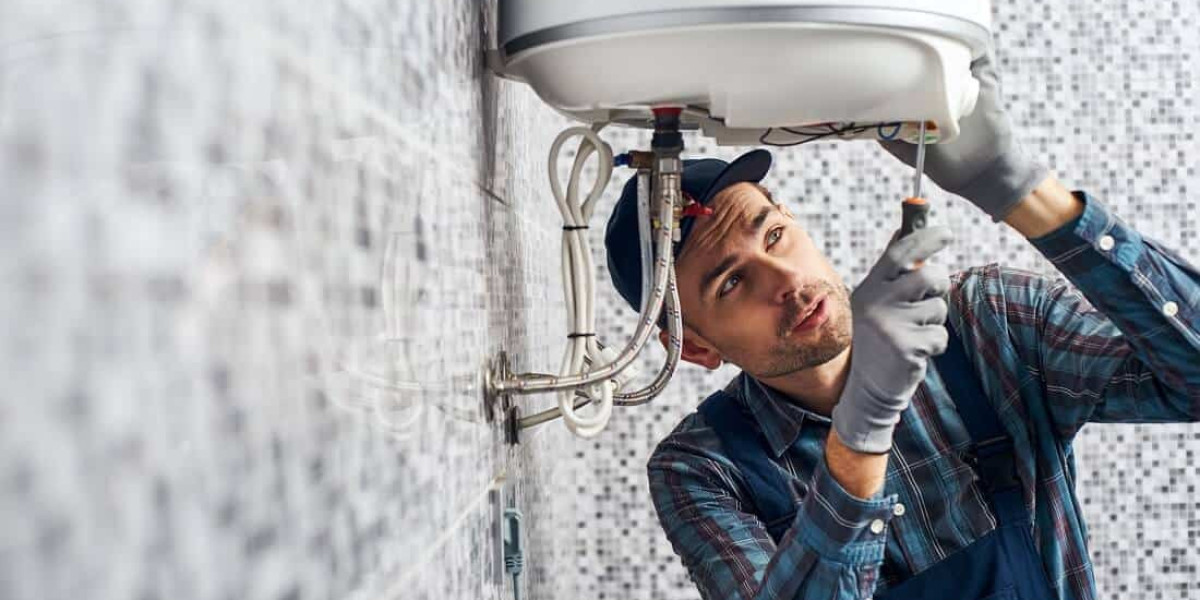

A water heater is one of the most frequently used appliances in a home, providing hot water for showers, laundry, cleaning, and everyday household tasks. Because the system operates regularly, its components naturally experience wear, mineral buildup, corrosion, and other forms of stress. Proper care can help identify developing problems before they become expensive failures. Professional Water Heater Services can provide inspections, maintenance, repairs, and guidance based on the condition of the equipment. Combining professional care with sensible household practices can help homeowners get dependable performance from their water heater for as long as reasonably possible.
Understand How Your Water Heater Ages
Every water heater has a limited service life, and its condition can change gradually rather than failing without warning. Tank-style systems can experience sediment accumulation, corrosion, and deterioration of internal components over time. Tankless models have different maintenance requirements and can be affected by mineral deposits and other operating conditions. The quality of the incoming water, installation quality, usage levels, and maintenance history can all influence longevity. Understanding these factors helps homeowners recognize why regular attention is important.
Age should be considered alongside performance rather than treated as the only reason to replace a unit. An older water heater that receives proper maintenance and operates reliably may continue serving a household effectively, while a younger unit with serious damage may require immediate attention. Homeowners should monitor changes in temperature, water appearance, operating sounds, and overall performance. Keeping a record of repairs and maintenance can also help establish a useful service history. Professional Water Heater Services can use that history when evaluating whether repair or replacement is appropriate.
Schedule Regular Professional Maintenance
Regular professional maintenance is one of the most effective ways to monitor a water heater's condition. During a service visit, a qualified technician can inspect accessible components, connections, valves, controls, and other system-specific parts. Depending on the type of water heater, maintenance may also involve flushing sediment or addressing mineral deposits. The exact procedures should be based on the manufacturer's requirements and the equipment's actual condition. A professional inspection can uncover problems that may not be obvious during normal household use.
Annual maintenance is a useful general approach for many systems, but the ideal schedule can vary. Properties with hard water, high hot-water demand, older equipment, or a history of recurring problems may require more frequent attention. Conversely, some systems may have different manufacturer-specific maintenance intervals. Homeowners should avoid assuming that every water heater needs exactly the same service. A qualified technician can recommend an appropriate schedule after considering the equipment and operating environment.
Flush Sediment When Appropriate
Sediment is a common concern for traditional storage-tank water heaters because minerals in the incoming water can settle inside the tank. As the sediment layer becomes thicker, it can interfere with efficient heat transfer and contribute to popping or rumbling sounds. Excessive buildup may also increase stress on heating components and reduce available tank capacity. Professional maintenance can determine whether the system would benefit from flushing. The procedure should be performed appropriately for the equipment because improper handling can cause additional problems.
Homes supplied with hard water may experience mineral accumulation more quickly than properties with softer water. This makes water quality an important consideration when planning maintenance. A technician can assess whether sediment buildup is significant and recommend an appropriate maintenance strategy. Some systems may also benefit from additional water treatment depending on local conditions and equipment requirements. Regular attention can help reduce the effects of mineral accumulation and support more consistent performance.
Check for Leaks and Moisture
Small leaks around a water heater should never be dismissed simply because the equipment continues producing hot water. Moisture may come from a loose connection, valve, fitting, drain point, or another component. In some cases, it can indicate a more serious problem involving the tank itself. Continuous leakage can damage flooring and nearby building materials if it is allowed to continue. Professional Water Heater Services can locate the source and determine whether a simple repair or more extensive work is needed.
Homeowners should periodically look around the base and connections of the water heater for unexplained moisture, stains, corrosion, or mineral deposits. Changes in the surrounding area can provide an early warning that something is not operating correctly. If a significant leak develops, homeowners should take appropriate steps to limit water exposure when it is safe to do so and contact a qualified professional. Electrical or gas-related components should not be handled by someone without the necessary training. Early professional attention can help prevent a minor plumbing issue from becoming substantial property damage.
Pay Attention to Unusual Noises
Unusual sounds are another useful warning sign that a water heater may need attention. Popping, rumbling, cracking, or other increasingly loud noises can sometimes be associated with sediment buildup inside a tank. In other situations, unusual sounds may indicate heating component problems or changes in normal operation. The meaning of a sound depends on the type and condition of the system. A professional inspection is more reliable than attempting to diagnose an unfamiliar noise based solely on its description.
Ignoring persistent changes in operating sounds may allow an underlying problem to continue developing. While not every noise indicates a serious failure, a noticeable change from the unit's normal operation deserves consideration. Technicians can inspect the system and determine whether cleaning, adjustment, component replacement, or further diagnosis is appropriate. Prompt attention may help prevent a relatively manageable maintenance concern from becoming more expensive. Professional Water Heater Services provide the equipment and experience needed to evaluate these symptoms safely.
Monitor Hot Water Temperature
Changes in water temperature can reveal developing water heater problems. If water becomes consistently lukewarm, runs cold sooner than expected, or fluctuates unexpectedly, the system may have an issue involving its heating components, controls, capacity, or plumbing connections. Household demand can also affect available hot water, so the symptom needs to be evaluated in context. A professional can determine whether the equipment is malfunctioning or simply unable to meet current demand. This distinction is important before deciding that replacement is necessary.
Homeowners should avoid making significant temperature adjustments without understanding the manufacturer's recommendations and safety considerations. Water that is excessively hot can create a scalding hazard, while inadequate temperature can affect comfort and system performance. Professional Water Heater Services can inspect temperature controls and explain appropriate operating settings. If the system has become unreliable despite correct settings and maintenance, a technician can determine whether repair or replacement is warranted. Proper temperature management can support both comfort and safe household use.
Protect the Unit From Corrosion
Corrosion can gradually weaken water heater components and connections, particularly when moisture is present around metal parts. Visible rust, deteriorating fittings, or corrosion around the tank should be evaluated rather than covered up. Some corrosion may involve a replaceable component, while extensive corrosion can indicate that the unit is nearing the end of its practical service life. A professional can distinguish between localized deterioration and more serious structural problems. Early assessment is important because corrosion can progress even when the system continues operating.
The installation environment can also affect corrosion risk. Excessive moisture, poor drainage, or persistent leaks around the equipment can accelerate deterioration. Keeping the area around the water heater clean, dry, and accessible makes it easier to notice changes during routine checks. Homeowners should never apply unapproved coatings or attempt structural repairs to a deteriorated tank. Professional evaluation is the safest way to determine what corrective action is appropriate.
Maintain the Surrounding Plumbing
A water heater depends on the rest of the plumbing system to deliver and distribute hot water properly. Supply lines, shutoff valves, fittings, pressure-related components, and drainage connections all influence system performance. A problem in one of these areas may sometimes appear to be a water heater problem even when the heating equipment itself is functioning correctly. This is why broader plumbing inspection can be valuable when symptoms are unclear. Professional plumbing service & maintenance can help identify related issues that may affect the water heater.
Regular plumbing maintenance can also help reduce the risk of small problems becoming larger ones. Leaking connections, deteriorating valves, restricted pipes, and other plumbing defects should be addressed when identified. Homeowners should keep access to the water heater clear so technicians can inspect and service the system efficiently. A well-maintained surrounding plumbing network can support more reliable water heater operation. Coordinating equipment maintenance with general plumbing service & maintenance provides a more complete approach to household plumbing care.
Use Water Responsibly
Household water-use habits can influence how hard a water heater needs to work. Long showers, repeated high-volume hot-water use, and simultaneous operation of multiple appliances can increase demand on the system. This does not mean homeowners should avoid normal hot-water use, but understanding peak demand can help identify whether the system is appropriately sized. If a household's needs have changed significantly, professional evaluation may determine that a larger or different system is warranted. Proper system sizing can reduce unnecessary strain and improve user comfort.
Simple habits can also help reduce unnecessary wear. Repair dripping hot-water fixtures, avoid wasting heated water, and address plumbing leaks promptly. If multiple household members need hot water at the same time, spreading certain activities throughout the day may reduce peak demand. These practices cannot prevent mechanical failures, but they can support more efficient use of the equipment. Combined with professional maintenance, responsible water use can contribute to dependable long-term performance.
Do Not Ignore the Age and Repair History
The age of a water heater becomes increasingly important when combined with repeated breakdowns or declining performance. A system that requires frequent repairs may be approaching the point where continued investment is less practical. Homeowners should consider the cost of recent repairs, the condition of major components, and the likelihood of additional problems. Replacing an aging unit before a catastrophic failure may also provide more control over equipment selection and installation timing. Professional Water Heater Services can help compare the condition of the existing system with replacement options.
Replacement does not always make sense simply because a water heater is old. If an older unit is performing well and receives appropriate maintenance, continued service may still be reasonable. However, signs such as tank leakage, severe corrosion, repeated component failures, or persistent hot-water shortages deserve serious consideration. A professional assessment can provide evidence-based recommendations rather than relying on age alone. This helps homeowners spend money where it is most likely to provide meaningful value.
Recognize When Professional Help Is Necessary
Some water heater maintenance tasks are not suitable for do-it-yourself work. Gas-fired systems involve combustion and ventilation considerations, while electric units contain electrical components that can be hazardous when handled incorrectly. Pressurized hot water can also cause serious burns or other injuries. Homeowners should not bypass safety controls, modify gas connections, or dismantle unfamiliar components. Professional Water Heater Services can perform specialized maintenance while following appropriate safety procedures.
Professional assistance is particularly important when there is a substantial leak, gas odor, electrical concern, repeated shutdown, or significant change in system performance. The safest response depends on the nature of the problem, so homeowners should avoid experimenting with repairs they do not fully understand. Qualified technicians can diagnose the issue and explain whether immediate repair, routine maintenance, or replacement is appropriate. Timely professional attention can also prevent damage to surrounding plumbing and property.
Combine Water Heater Care With Plumbing Maintenance
A water heater should be treated as part of the home's overall plumbing system rather than as an isolated appliance. Drainage problems, leaking fixtures, deteriorating pipes, and pressure issues can all affect the broader plumbing environment. Regular plumbing service & maintenance allows homeowners to identify these concerns before they interfere with other equipment. Addressing related problems promptly can reduce the chance of unexpected failures and unnecessary repair expenses. A coordinated maintenance approach is especially useful in older properties with multiple plumbing components.
Professional inspections can also help homeowners prioritize projects based on urgency. A minor fixture issue may be suitable for scheduled maintenance, while an active water leak or serious equipment failure may require immediate attention. Understanding which problems need immediate action and which can be planned helps homeowners manage their budgets more effectively. Good plumbing care is not about replacing every component at the first sign of age. It is about maintaining equipment responsibly and making informed decisions when repair or replacement becomes necessary.
Final Thoughts
Extending the lifespan of a water heater requires a combination of preventive maintenance, careful observation, responsible use, and timely professional service. Regular inspections can identify sediment, leaks, corrosion, unusual noises, temperature problems, and worn components before they become more disruptive. Professional Water Heater Services can provide the specialized assessment and maintenance needed to keep the equipment operating appropriately. Homeowners can support this work by keeping the area accessible, monitoring performance, and addressing warning signs promptly. These habits can help maximize the practical service life of a properly installed and maintained system.
Long-term water heater care also depends on the condition of the surrounding plumbing. Professional plumbing service & maintenance can identify leaking connections, faulty valves, restricted pipes, and other problems that may affect overall system performance. No maintenance plan can guarantee that equipment will never fail, but proactive care can improve reliability and give homeowners more time to plan significant repairs or replacement. By combining professional expertise with sensible everyday practices, property owners can protect their investment and maintain dependable access to hot water.