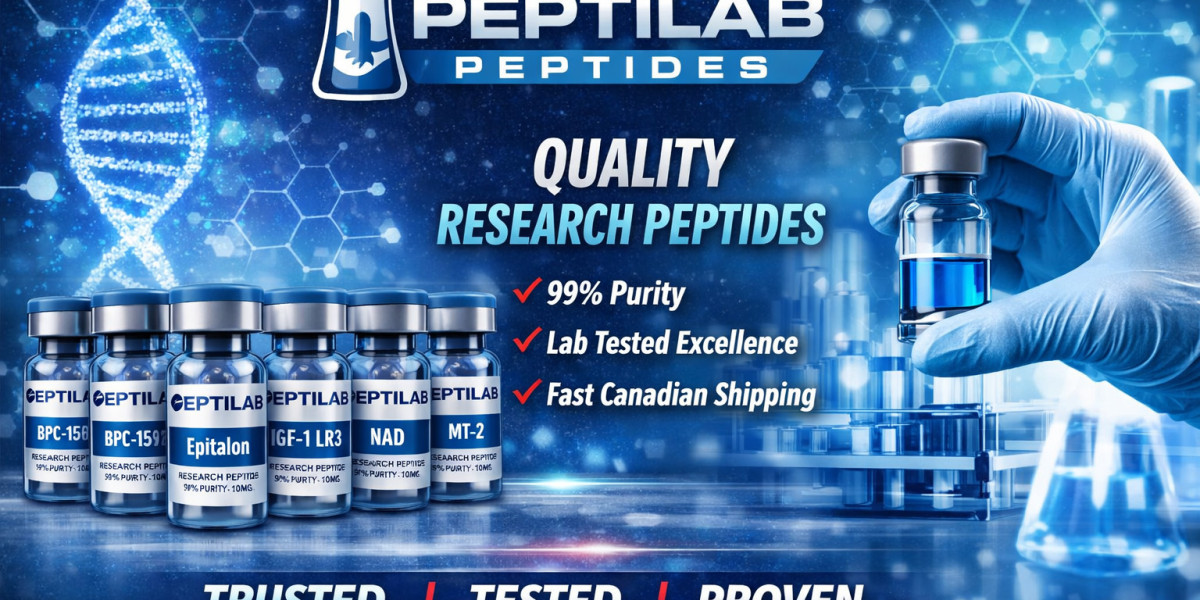

Peptides are widely studied in scientific research, with applications across biochemistry, molecular biology, analytical science, and cellular research. As laboratories increasingly work with specialized peptide materials, choosing an appropriate Research Peptide Vendor can be an important part of maintaining organized research practices.
A responsible evaluation should go beyond price and product availability. Researchers can consider analytical testing, documentation, traceability, storage information, and supplier transparency when assessing potential vendors.
Understanding Research Peptides
Research peptides are amino-acid-based materials used for scientific investigation. Researchers may examine their molecular characteristics, interactions, stability, or other properties depending on the objectives of a particular study.
Different experiments have different material requirements. Laboratories should therefore evaluate individual products against their established research protocols and applicable regulatory requirements.
Why Purity Matters
Purity is one of the most common specifications used when evaluating peptide research materials. It describes the proportion of the intended peptide relative to other detectable components.
Although purity is important, it should not be considered the only quality indicator. Identity information, analytical methodology, batch details, storage requirements, and supporting documentation can provide additional context.
The Importance of Analytical Testing
Analytical testing provides information about the characteristics of a research material. Depending on the peptide, laboratories may use techniques such as High-Performance Liquid Chromatography (HPLC) and mass spectrometry.
HPLC can be used to evaluate purity, while mass spectrometry can provide information about molecular mass and support identity assessment.
Researchers should review the analytical method and results associated with a specific batch rather than relying solely on general quality claims.
Certificates of Analysis
A Certificate of Analysis, commonly called a COA, can provide batch-specific information about a research material.
A COA may include:
- Product identification
- Batch or lot number
- Purity results
- Analytical methodology
- Molecular information
- Testing details
Maintaining these records can help researchers connect experimental results with the exact material used.
Why Batch Traceability Matters
Laboratories may receive multiple batches of the same research peptide. Recording the batch or lot number provides a straightforward way to distinguish one production batch from another.
Researchers can keep batch information alongside COAs, receipt dates, storage conditions, and experimental records. This can strengthen material traceability and improve laboratory organization.
What to Look for in a Research Peptide Vendor
When evaluating a vendor, researchers can consider several factors:
Clear Product Information
Materials should be clearly identified, with relevant specifications presented in an understandable format.
Analytical Documentation
Testing methods and available analytical results should be communicated transparently.
Batch Identification
A clear lot or batch number helps connect the physical material with its documentation.
Storage Guidance
Appropriate storage and handling information can help laboratories manage research materials according to established procedures.
Research-Use Policies
Vendors should clearly communicate intended use and relevant restrictions.
PeptiNova and Research Materials
PeptiNova operates in the research peptide and laboratory materials space, providing information about its research-focused products and associated documentation.
Researchers evaluating PeptiNova or any other vendor should independently review current product specifications, analytical documentation, and applicable requirements before determining whether a material is suitable for their particular laboratory research.
Building a Documentation-First Workflow
Supplier evaluation is only the beginning. Once research materials arrive, laboratories can establish consistent procedures for labeling, storage, documentation, and tracking.
A basic material record can include the product name, batch number, date received, storage requirements, associated COA, and relevant laboratory notes.
Maintaining these records can make it easier to identify the material used in a specific experiment and review previous research activities.
Looking Beyond Price
Price can influence purchasing decisions, but it should not be the sole factor when evaluating research materials.
A supplier that provides clear analytical information, batch traceability, and supporting documentation may offer researchers more useful information for laboratory planning and record keeping.
Comparing vendors across multiple criteria can therefore provide a more balanced assessment.
Conclusion
Choosing a Research Peptide Vendor involves evaluating much more than product selection. Purity information, analytical testing, Certificates of Analysis, batch traceability, storage guidance, and transparent policies can all contribute to a more informed decision.
For laboratories working with research peptides, adopting a documentation-focused approach can support better material management and more organized scientific workflows.
This article is intended for general educational and laboratory research purposes. Research peptides should be used only for lawful scientific research and in accordance with applicable regulations, safety requirements, and established laboratory protocols. They are not intended for human or veterinary use.