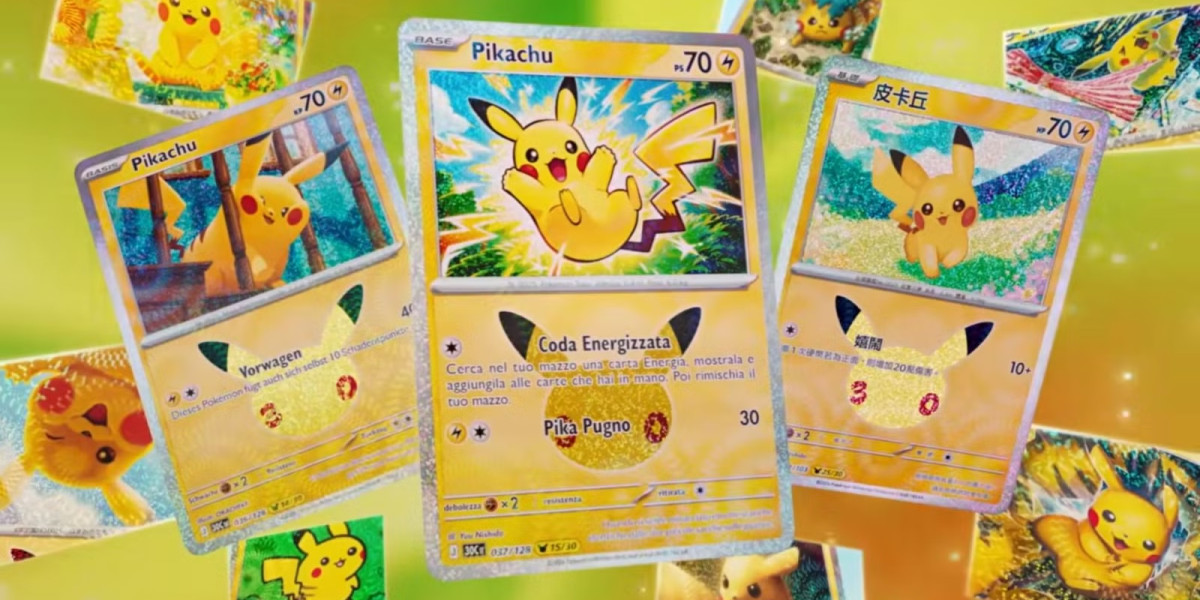

Pokémon TCG Pocket is becoming a thoughtful strategy game rather than a simple digital card album, especially for players who enjoy testing new decks every day. Newcomers exploring Pokemon TCG Pocket Accounts can find a useful starting point, but long-term progress still depends on smart choices, patience, and careful deck building.
The strongest players are not always those with the rarest collection. They understand energy timing, bench management, retreat costs, and the value of building around a clear win condition. That approach makes each match more engaging and helps limited resources go further.
Build Around One Reliable Game Plan
A focused deck usually performs better than a collection of powerful cards that do not support one another. Choose a main attacker, then add supporting Pokémon that help it enter play, find energy, or survive longer. A smaller number of strategic options makes your opening turns easier to plan.
It is also wise to consider the pace of the current environment. Fast decks may reward low-cost attacks, while slower lists can gain strength through healing and stronger late-game effects. Before changing several cards, play a few matches and identify the exact weakness you want to solve.
Resource Management Matters
Every turn presents a decision about energy, retreating, drawing, and placing Pokémon on the bench. Attaching energy to the active Pokémon may create immediate pressure, but preparing a second attacker can prevent a difficult turn later. Good players think one or two turns ahead without losing sight of the current board.
| Decision | Short-term value | Long-term value |
|---|---|---|
| Power the active Pokémon | Creates immediate pressure | May leave the bench unprepared |
| Prepare a second attacker | Less pressure now | Improves future flexibility |
| Retreat early | Protects a key Pokémon | Can consume valuable resources |
This simple comparison shows why automatic decisions can be costly. A strong turn is not always the one that deals the most damage; sometimes it is the turn that preserves options.
How to Improve Through Match Review
After a close match, review the first moment when the game began moving away from your plan. Perhaps a support card was used too early, an important Pokémon was placed on the bench without protection, or energy was attached to the wrong target. Identifying one specific mistake is more useful than judging the entire deck.
- Note which cards remained unused.
- Record when your main attacker became ready.
- Check whether retreating improved or weakened your position.
- Compare your opening hand with the result of the match.
Keeping brief notes over several games reveals patterns that are difficult to notice during play. If the same card repeatedly sits in hand, replace it with a more useful option and test the change across multiple matches.
Keeping Collection Goals Realistic
Digital card collecting is most enjoyable when goals remain practical. Decide whether you care more about completing a favorite set, building several competitive decks, or collecting artwork from a particular Pokémon group. Each goal calls for a different use of daily opportunities and available resources.
Trading with trusted friends and following official events can also add variety to the experience. Avoid rushing every decision simply because a new release has arrived. A steady collection plan leaves room for future cards and keeps the game enjoyable between major updates.
Pokémon TCG Pocket rewards curiosity, preparation, and repeated practice more than impulsive spending. Whether you are refining a first deck or expanding a well-developed collection, players who compare options carefully can enjoy better matches and clearer progress; those interested in buy Pokemon TCG Pocket Accounts should still review details carefully and choose an account that suits their personal goals.