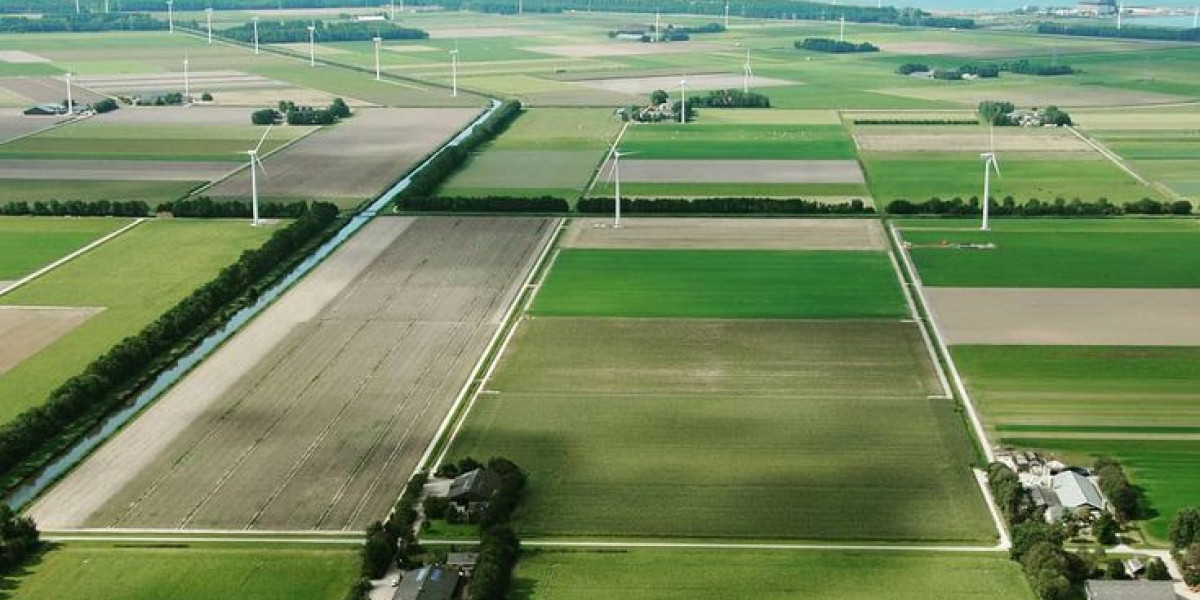

Land reclamation transforms degraded, contaminated, or disturbed land into productive space again. The process requires careful planning, technical expertise, and regulatory compliance. Successfully reclaimed land creates value for communities, industries, and ecosystems. Understanding the steps involved helps stakeholders plan effective and efficient reclamation programs. This article walks through the key steps that define successful land reclamation projects.
What Successful Land Reclamation Requires
Successful land reclamation begins long before any physical work starts on a site. It requires understanding what caused the land degradation in the first place. Industrial operations, mining activities, and contamination events each leave different legacies. Reclamation strategies must address the specific conditions present at each site individually. Generic approaches applied without site-specific planning rarely achieve durable long-term success.
The end goal of reclamation must be clearly defined at the project outset. Some sites are reclaimed for future commercial or residential development. Others are restored to natural ecological function for wildlife habitat or recreation. Agricultural use is another common reclamation endpoint on former industrial lands. Defining the end goal shapes every subsequent technical decision in the reclamation program.
Regulatory requirements must be understood before planning begins in earnest. Environmental agencies specify reclamation standards that must be met for project approval. These standards address soil quality, vegetation cover, slope stability, and water quality. Understanding regulatory requirements early prevents costly redesign later in the process. Early regulatory engagement builds relationships that facilitate smoother approval processes throughout the project.
Assembling the Right Reclamation Team
Land reclamation projects require expertise from multiple professional disciplines working together. Environmental engineers design soil remediation and groundwater management systems. Hydrogeologists characterize groundwater conditions and monitor reclamation progress. Ecologists specify vegetation restoration strategies appropriate for local conditions. Geotechnical engineers assess soil stability and design engineered landforms where needed.
Project managers coordinate the contributions of all disciplines toward common objectives. Regulatory affairs specialists navigate the complex approval processes involved in reclamation. Community engagement professionals manage relationships with affected stakeholders throughout the project. Indigenous consultation coordinators ensure traditional rights and interests are respected throughout. Assembling the right team with complementary expertise is a fundamental step toward project success.
Step One: Comprehensive Site Assessment
The first active step in any land reclamation project is a comprehensive site assessment. This assessment characterizes existing conditions across the full range of relevant parameters. Soil sampling reveals the types and concentrations of any contamination present. Groundwater monitoring characterizes subsurface water quality and flow direction. Ecological surveys document existing vegetation, wildlife, and habitat conditions. Geotechnical investigation assesses soil physical properties and slope stability conditions.
Historical review of site activities provides essential context for understanding current conditions. Aerial photographs, regulatory records, and industrial documentation reveal past land uses. Understanding the sources of contamination guides targeted investigation and remediation planning. Historical information also identifies potential environmental liabilities that affect reclamation scope. A thorough historical review prevents surprises that could significantly alter reclamation plans.
The site assessment produces a baseline environmental characterization document. This document quantifies existing contamination and establishes pre-reclamation condition benchmarks. Baseline data is used to measure reclamation progress and demonstrate regulatory compliance. It also protects project proponents from liability for contamination they did not create. Comprehensive baseline documentation is one of the most important deliverables of the entire reclamation project.
Step Two: Reclamation Planning and Design
Site assessment findings inform the development of a comprehensive reclamation plan. The plan specifies remediation methods for soil and groundwater contamination present. It defines grading and landform design that will shape the reclaimed landscape. Revegetation strategies are specified based on target ecosystem type and end land use. Monitoring programs are designed to track reclamation progress against defined success criteria.
Soil management planning addresses the handling of excavated and imported materials. Topsoil that was stockpiled during site disturbance must be carefully preserved for reuse. Contaminated soils requiring off-site disposal are segregated from clean materials. Imported clean fill materials are sourced from approved and documented supply locations. Soil management plans that minimize waste and maximize material reuse improve project economics.
Water management planning addresses both surface and groundwater conditions during reclamation. Surface drainage structures prevent erosion during active earthwork phases. Groundwater management systems control water levels during soil excavation and replacement. Constructed wetlands may be incorporated to provide long-term water quality treatment. Effective water management prevents reclamation activities from creating new environmental problems.
Regulatory Approval of Reclamation Plans
Regulatory submission of reclamation plans is a necessary step before physical work begins. Applications typically include site characterization reports, reclamation design drawings, and monitoring programs. Regulatory agencies review submissions for technical adequacy and compliance with applicable standards. Public consultation processes may be required before final approval is granted. Responding to agency comments and requests for additional information takes careful attention.
Approval timelines vary significantly depending on project complexity and regulatory jurisdiction. Simple reclamation projects on moderately contaminated sites may receive approval in weeks. Complex projects on heavily contaminated or ecologically sensitive sites may require months. Building realistic approval timelines into project schedules prevents costly delays. Proactive pre-application consultations with regulators often expedite formal review processes.
Step Three: Site Preparation and Mobilization
After regulatory approval, physical site preparation can begin in earnest. Fencing and security measures protect the public from construction activities and hazardous materials. Temporary access roads are constructed to support heavy equipment movements across the site. Erosion and sediment controls are installed before any soil disturbance activities begin. Worker health and safety systems including personal protective equipment are deployed.
Equipment mobilization brings the specialized machinery needed for reclamation activities. Excavators, bulldozers, compactors, and grading equipment are staged on site. Specialized soil washing or treatment equipment may be required for heavily contaminated materials. Drilling rigs are mobilized for groundwater monitoring well installation and maintenance. Adequate equipment staging areas must be planned to support efficient operations.
Topsoil salvage is a critical early site preparation activity. Existing topsoil is carefully stripped and stockpiled separately from subsoil materials. Mixing topsoil with subsoil or contaminated materials destroys its value for revegetation. Stockpile management includes erosion control measures to prevent material loss during storage. Preserved topsoil is a valuable biological resource that significantly improves revegetation success rates.
Step Four: Active Remediation of Contaminated Soil and Groundwater
Active remediation addresses soil and groundwater contamination identified during site assessment. Excavation and off-site disposal is the most straightforward approach for heavily contaminated soils. In-situ treatment methods treat contaminated soil without removal when excavation is impractical. Bioremediation uses naturally occurring or introduced microorganisms to degrade organic contaminants. Chemical treatment neutralizes acidic soils or immobilizes heavy metals for safer long-term management.
Groundwater remediation may be required when contamination has migrated into aquifer systems. Pump-and-treat systems extract contaminated groundwater for surface treatment and discharge. Permeable reactive barriers intercept contaminated groundwater plumes and treat them passively. In-situ chemical injection delivers treatment agents directly into the aquifer at the contamination source. The process of land reclamation on contaminated sites requires matching remediation technology to specific contamination types.
Performance monitoring during active remediation tracks progress toward cleanup objectives. Soil confirmation samples verify that remediation has achieved target concentration levels. Groundwater monitoring tracks changes in contaminant concentrations in response to treatment. Performance data guides adaptive management decisions when remediation is not progressing as expected. Remediation systems that are not performing adequately must be modified or supplemented promptly.
Step Five: Landform Reconstruction and Grading
After contamination is addressed, the physical landscape is reconstructed through grading operations. Final grade designs create stable landforms appropriate for the intended end use. Slopes are designed at angles that ensure long-term geotechnical stability without erosion. Drainage patterns direct surface water away from areas susceptible to erosion or ponding. Subgrade compaction provides the stable foundation needed for topsoil replacement and revegetation.
Topsoil replacement is conducted immediately after final subgrade preparation is complete. Stored topsoil is spread uniformly across graded surfaces to specified depths. Incorporation of organic amendments supplements nutrient levels in degraded topsoil. Lime applications correct soil pH conditions that may inhibit vegetation establishment. Fertilizer applications provide the initial nutrient boost that new vegetation requires.
Engineered landforms may be required where unstable materials or shallow contamination exist. Cover systems using clean engineered materials cap contaminated zones safely. Geomembrane liners beneath cover systems prevent infiltration into contaminated zones. Engineered covers must be designed to remain stable under all anticipated climate conditions. Long-term cover system integrity monitoring ensures protective performance is maintained indefinitely.
Step Six: Revegetation and Ecological Restoration
Revegetation is the most visible phase of land reclamation and determines long-term ecological success. Native plant species are preferred for revegetation because they are adapted to local conditions. They require less maintenance input and provide greater ecological value than introduced species. Seed source selection considers local genetic diversity to maximize ecological restoration quality. Species selection for each site reflects the target ecological community type for that location.
Seeding methods are selected based on site size, slope characteristics, and species requirements. Hydroseeding applies seed, mulch, and soil amendments efficiently over large disturbed areas. Hand seeding is used in small or sensitive areas where equipment access is restricted. Transplanting container-grown plants accelerates establishment of key structural species in the community. A combination of seeding and transplanting often produces the best revegetation outcomes.
Temporary erosion control measures protect seed during the vulnerable early establishment period. Erosion control blankets hold soil in place while seeds germinate and root systems establish. Temporary seeding of fast-establishing cover crops protects soil between establishment phases. Regular inspections during the establishment period identify areas requiring reseeding or supplemental treatment. Proactive management during early establishment significantly improves long-term revegetation success rates.
Step Seven: Long-Term Monitoring and Regulatory Closure
Post-reclamation monitoring demonstrates that success criteria are being achieved over time. Vegetation cover, species diversity, and invasive species presence are monitored annually. Soil health indicators including organic matter content and microbial activity track ecosystem recovery. Groundwater quality monitoring continues to verify that remediation objectives are being maintained. All monitoring results are documented and submitted to regulatory agencies in periodic reports.
Regulatory closure is the formal recognition that reclamation objectives have been achieved. Closure applications include comprehensive monitoring data demonstrating success criteria attainment. Regulators conduct site inspections to verify conditions match documentation submitted. Final closure approval releases any financial assurances held for the reclamation project. Achieving regulatory closure is the ultimate measure of successful land reclamation.
Financial assurance instruments like reclamation bonds or letters of credit ensure completion funding. These instruments protect regulators and the public if project proponents default on obligations. Bond amounts reflect the estimated cost of completing outstanding reclamation work. Bonds are progressively reduced as reclamation phases are successfully completed and verified. Full bond release upon regulatory closure confirms that all reclamation obligations have been fulfilled satisfactorily.