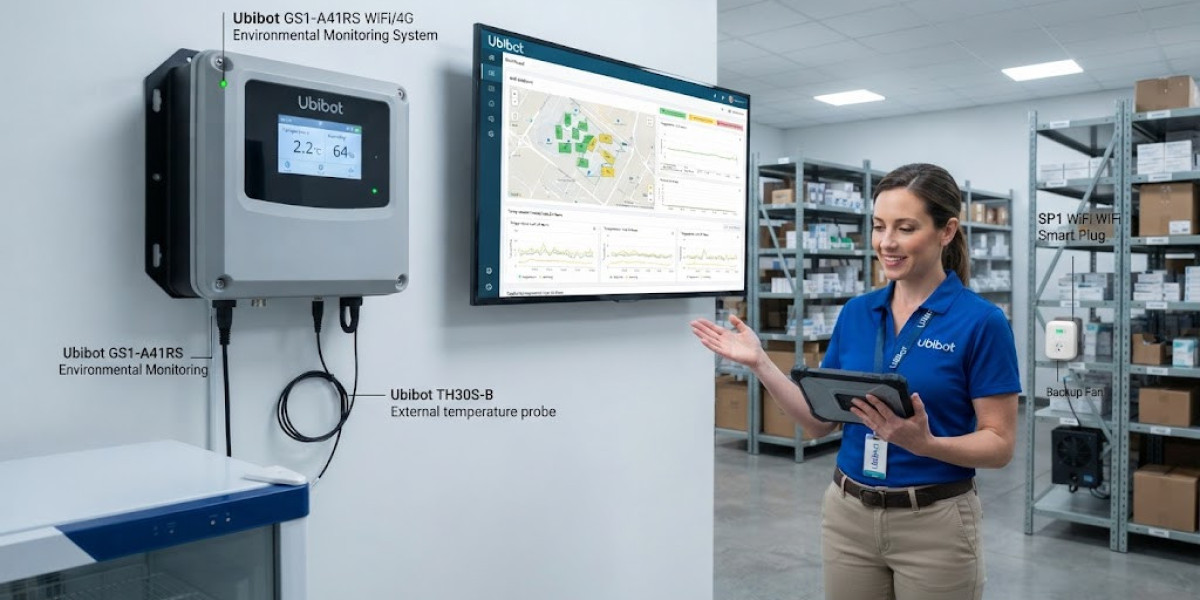

In an era defined by rapid industrialization, climate change, and stringent regulatory standards, visibility into environmental conditions is no longer optional—it is a critical operational requirement. Whether you are managing a pharmaceutical warehouse, a data center, a sprawling agricultural field, or a chain of retail stores, maintaining optimal conditions is essential for asset protection, product quality, and regulatory compliance.
Enter the Environmental Monitoring System (EMS). This technology serves as the eyes and ears of your facility, providing 24/7 surveillance of critical parameters like temperature, humidity, pressure, air quality, and water leaks.
This comprehensive guide explores everything you need to know about environmental monitoring systems, how they work, their myriad benefits, and how to choose the right solution for your organization.
What is an Environmental Monitoring System?
An environmental monitoring system is a network of hardware and software designed to measure, record, and report specific environmental conditions within a defined area.
At its core, an EMS consists of:
Sensors: Physical devices placed in strategic locations to detect changes in variables such as temperature, humidity, differential pressure, light exposure, or gas leaks.
Data Loggers/Gateways: Units that collect data from sensors, process it, and transmit it to a central platform.
Central Software/Cloud Platform: The user interface where data is visualized, analyzed, stored, and used to trigger alerts.
Alerting Mechanism: Systems that send notifications (SMS, email, siren) via cellular, Wi-Fi, or Ethernet networks when pre-set thresholds are breached.
Unlike manual spot-checks, an EMS provides continuous, automated data collection, offering a complete audit trail of conditions over time.
Why Your Business Needs an Environmental Monitoring System
The business case for investing in an EMS goes beyond simple peace of mind. It offers tangible ROI through risk mitigation and operational efficiency.
Regulatory Compliance and Quality Assurance
Industries such as healthcare, pharmaceuticals, food and beverage, and biotechnology are governed by strict regulations (e.g., GxP, HACCP, FDA 21 CFR Part 11). These standards mandate the precise environmental conditions under which products must be stored and transported.
An environmental monitoring system provides the validated, tamper-proof data logs required during audits to prove compliance. Without this documentation, businesses face heavy fines, product recalls, and revoked licenses.
Asset Protection and Risk Mitigation
Equipment failure, power outages, or HVAC malfunctions can lead to catastrophic losses. In a data center, overheating servers can cause irreversible data loss and downtime. In a museum, humidity fluctuations can destroy priceless artifacts.
An EMS acts as an early warning system. By detecting a slow rise in temperature before it reaches a critical failure point, staff can intervene to save valuable inventory or equipment.
Energy Efficiency and Sustainability
Modern, smart environmental monitoring systems do more than just report conditions; they help optimize facility management. By analyzing environmental data over time, facility managers can identify inefficiencies in HVAC systems.
For instance, an EMS can reveal that certain areas of a building are being over-cooled or over-heated, allowing for adjustments that reduce energy consumption and operational costs, supporting corporate sustainability goals.
Key Applications Across Industries
Environmental monitoring systems are highly versatile and adaptable to specific industry needs.
Cold Chain and Pharmaceuticals
The "cold chain" requires maintaining temperature-sensitive products (vaccines, biologics, blood samples) within a specific range (often 2°C to 8°C or -20°C) during storage and transit. An EMS ensures the integrity of these life-saving products.
Data Centers and IT
Server rooms require precise temperature and humidity control to prevent hardware failure and data corruption. Monitoring for water leaks from cooling units is also critical.
Agriculture and Greenhouses
Modern agriculture relies on precision. Monitoring soil moisture, pH levels, temperature, and CO2 concentrations allows growers to optimize irrigation, lighting, and fertilization, leading to higher yields and healthier crops.
Food Service and Hospitality
For restaurants and hotels, monitoring walk-in freezers and coolers is essential to prevent food spoilage and ensure food safety, protecting against liability and maintaining quality standards.
Wired vs. Wireless Systems: Choosing the Right Architecture
When selecting an EMS, one of the primary decisions is choosing between wired and wireless technology.
Wired Systems
These systems involve running physical cables (Ethernet, RS-485) from sensors to a central gateway.
Pros: Highly reliable, not subject to signal interference, generally secure from hacking.
Cons: Expensive and difficult to install, especially in existing buildings; lack flexibility if sensor locations need to change.
Wireless Systems
Wireless systems use technologies like Wi-Fi, Bluetooth, LoRaWAN, or cellular networks to transmit data.
Pros: Easy and quick to install, scalable, flexible sensor placement, ideal for remote locations or moving assets (like trucks).
Cons: Dependent on battery life (though modern low-power sensors last years), potential for signal interference, may require a robust network infrastructure.
For most modern applications, wireless IoT-based environmental monitoring systems are the preferred choice due to their flexibility and ease of deployment.
Features to Look for in a Modern EMS
To get the most value from your investment, ensure the system offers these critical features:
Real-Time Monitoring and Alerts: The system must provide 24/7 visibility and immediate notification of excursions via multiple channels (SMS, email, voice call).
Cloud-Based Dashboard: A centralized, intuitive web interface allows for remote monitoring across multiple locations from anywhere in the world.
Automated Reporting: The ability to generate compliance reports (daily, weekly, monthly) automatically simplifies auditing.
Sensor Calibration: Ensure the system supports easy recalibration of sensors to maintain accuracy over time.
Scalability: The platform should be able to grow with your business, allowing you to add new sensors or locations easily.
Conclusion: Elevate Your Operations with Ubibot
In conclusion, an environmental monitoring system is an indispensable tool for modern businesses. It transforms reactive management into proactive control, ensuring the integrity of your products, the longevity of your assets, and the satisfaction of your customers.
Don't leave your critical conditions to chance. Whether you need to monitor a single refrigerator or a global network of warehouses, Ubibot provides a comprehensive, cutting-edge environmental monitoring solution.
Our ecosystem of advanced wireless sensors, robust data loggers, and powerful cloud platform offers the reliability and intelligence you need to stay compliant and efficient. Experience the future of facility management and protect what matters most with Ubibot.
Also see our guide