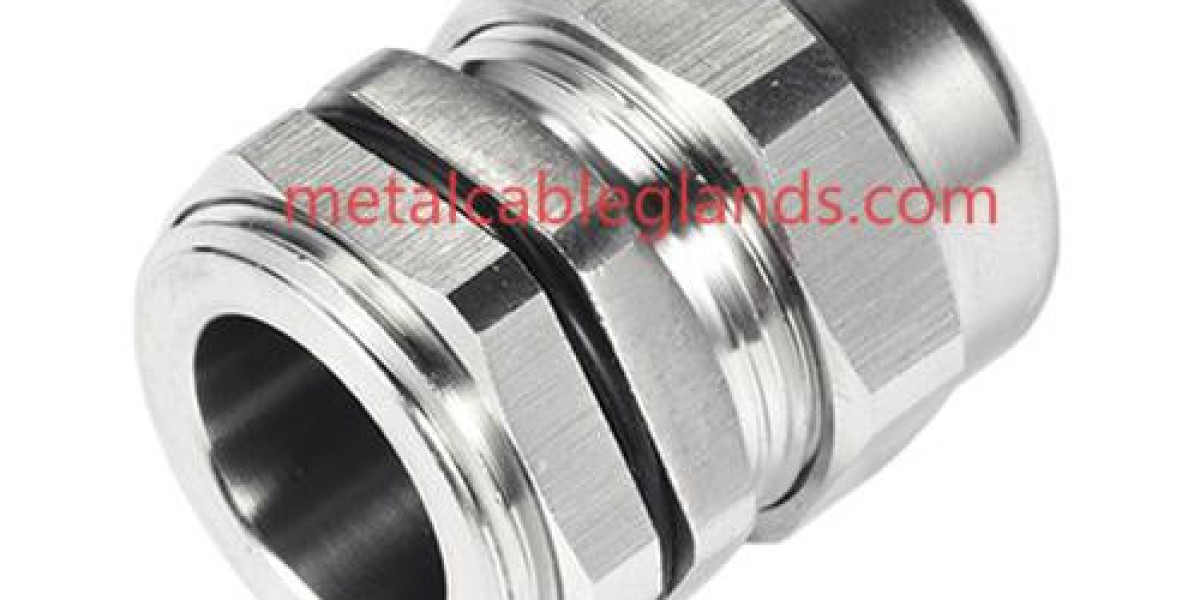

Modern electrical installations often involve cables, connectors, and enclosure openings with different dimensions, making connection compatibility an important part of system design. When buyers evaluate a Cable Gland Reducer Factory, they may focus on thread specifications, material selection, dimensional accuracy, sealing performance, and installation convenience. A suitable Cable Gland Reducer Factory can provide practical reducer solutions for electrical cabinets, junction boxes, control equipment, machinery, and other cable management applications. Selecting the correct reducer can help connect components with different sizes while maintaining a more organized enclosure arrangement.
Understanding Cable Gland Reducer Design
A cable gland reducer is designed to help adapt one threaded connection size to another. This can be useful when the available enclosure opening, cable gland, or connector does not directly match the required thread dimension.
The basic structure may appear simple, but several details influence practical performance. Thread type, thread size, overall length, wall thickness, and material should correspond with the surrounding components.
For example, an enclosure may have a larger threaded opening while the selected cable gland requires a smaller connection. A suitable reducer can provide an intermediate connection between these components without requiring major modifications to the enclosure.
Dimensional accuracy is particularly important for threaded products. If the thread does not match correctly, installation may become difficult and the connection may not achieve the intended fit.
Buyers should therefore confirm thread standards and dimensions before ordering. Clear technical specifications can reduce compatibility problems and make installation more predictable.
Materials And Mechanical Performance
Material selection is another important consideration when choosing cable gland reducers. Depending on the application, reducers may be produced from metals or other suitable materials with characteristics appropriate for the operating environment.
Metal reducers are often considered for applications where mechanical strength and structural stability are important. The specific material should be selected according to factors such as environmental exposure, temperature, equipment design, and required durability.
Surface finishing can also influence the suitability of a component. A properly finished surface can support a cleaner appearance while contributing to the component's resistance to environmental conditions.
Thread quality deserves particular attention during manufacturing. Clean, consistent threads can make assembly easier and help create a stable connection between the reducer and the related cable gland or enclosure.
For industrial equipment, vibration and repeated maintenance may also need to be considered. The reducer should be compatible with the complete connection system rather than being selected as an isolated component.
Metalcableglands Manufacturing And Quality Control
Manufacturing consistency is important when reducers are used across large quantities of electrical equipment. Production may involve material preparation, machining, threading, surface treatment, inspection, and packaging.
Machining accuracy can influence the dimensions and thread quality of the finished component. Regular inspection can help identify dimensional variations before products are packaged and shipped.
Quality checks may include thread dimensions, outer diameter, inner diameter, length, surface appearance, and other specifications defined for the product. For customized orders, inspection requirements can be established according to the buyer's technical drawings or specifications.
Packaging is also useful because small metal components can become mixed together during transportation if they are not organized properly. Clearly separated packaging can make warehouse management and installation preparation easier.
For distributors, consistent specifications across repeated production batches can simplify inventory planning. When the same reducer model maintains stable dimensions, customers can reorder without making unnecessary adjustments to their existing equipment designs.
Manufacturers should also provide clear product information where appropriate. Thread standards, dimensions, materials, and installation details allow buyers to determine whether a particular reducer is suitable for their application.
Applications Across Electrical Equipment
Cable gland reducers can be used in many electrical and industrial environments. Control cabinets, junction boxes, automation equipment, machinery, communication enclosures, and distribution systems may all require connection adaptation.
In control cabinets, different components can have different thread dimensions depending on the equipment design. A reducer can help accommodate these differences while keeping the enclosure layout organized.
Machinery may also require cable entry components with specific connection sizes. During equipment development or maintenance, the available opening may not always correspond with the preferred cable gland. A reducer can provide a practical connection option.
Outdoor equipment introduces additional considerations. Environmental exposure, moisture, temperature changes, and mechanical conditions should be evaluated when selecting the material and design.
For maintenance projects, reducers can also be useful when replacing existing components. Instead of changing an entire enclosure opening, a suitable connection adapter may allow a different cable gland size to be installed.
However, the reducer should always be selected according to the complete cable entry system. Thread compatibility, sealing components, enclosure requirements, and installation conditions should be considered together.
Choosing The Right Reducer For Your Project
The selection process should begin with accurate measurements. Buyers should identify the existing thread size, required thread size, thread standard, material preference, installation space, and environmental conditions.
The application environment is equally important. Indoor control equipment may have different requirements from outdoor electrical cabinets or industrial machinery exposed to demanding conditions.
Quantity and packaging should also be considered for commercial orders. Distributors may require several reducer sizes to support different customer applications, while equipment manufacturers may need one standardized specification for repeated assembly.
Customization can be valuable when standard dimensions do not meet a particular project requirement. Buyers can provide drawings or detailed specifications so the manufacturer can evaluate the required configuration.
Long-term supply is another factor worth considering. For equipment manufacturers, consistent availability of the same reducer specification can help maintain stable production and simplify future maintenance.
A cable gland reducer is a relatively small component, but its dimensions and construction can influence the overall cable entry arrangement. By carefully matching thread standards, materials, dimensions, and environmental requirements, buyers can create more practical connections between cable glands and enclosures. Proper product selection can also simplify installation and maintenance across different electrical systems. For more information about cable connection components and related solutions, visit https://www.metalcableglands.com/ .