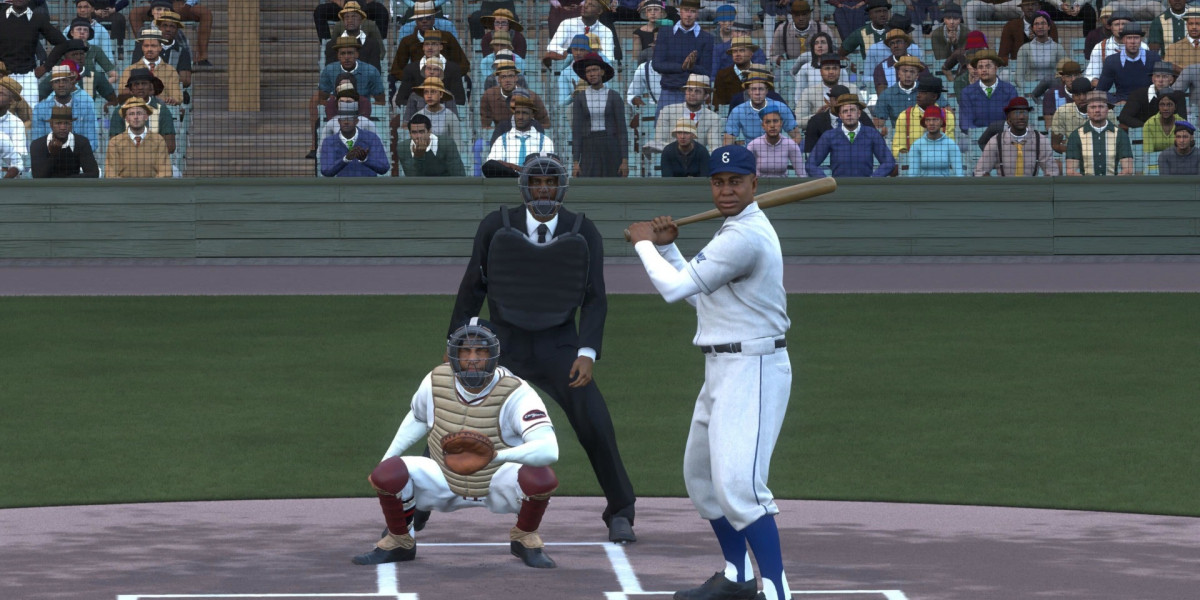

Starting MLB The Show 26 can feel rough when every pitch seems to move faster than your eyes. Big Zone Hitting gives newer players a calmer way into the batter's box, without removing the need to read the pitcher or choose the right moment to swing. You still have to make a call, and your timing still matters. The difference is that the target is broader, so you can focus on the pitch itself. A few MLB 26 stubs may help you build a useful squad, but better plate discipline will make the bigger difference.
How the Nine-Zone System Works
Big Zone Hitting splits the strike zone into nine areas. You move the left stick towards the section where you expect the ball to arrive, then press the swing button when the pitch reaches the plate. It is less about tiny cursor movements and more about making a sensible prediction. Say Jacob Wilson is facing the Cleveland Guardians at Progressive Field. If you notice that the pitcher keeps working the lower outside corner, you can sit on that area instead of chasing every delivery. When your guess and timing line up, contact feels much more reliable.
What You Gain and What You Give Up
The system is friendly, but it is not a shortcut to elite offensive numbers. Big Zone Hitting places a ceiling on how forcefully the ball can leave the bat, even when your selection is accurate. That trade-off keeps regular hitting useful for experienced players. Newcomers can learn how pitches behave, while stronger opponents still have a reason to use the more demanding interface. You may collect fewer towering drives, yet you should see more playable balls and fewer helpless swings through the zone.
| Area | Big Zone Hitting | Traditional Hitting |
|---|---|---|
| Aiming | Choose one of nine sections | Make finer cursor adjustments |
| Learning curve | Gentler for new players | Requires more practice |
| Contact potential | More consistent, with limits | Higher ceiling when mastered |
A Simple Way to Build Better Habits
You do not need to master every pitch type on day one. Try this routine during practice or a low-pressure game.
Watch the first few pitches without swinging.
Notice whether the pitcher favours the top, middle, or bottom of the zone.
Pick one area and wait for a pitch you can handle.
Use a smooth swing rather than rushing at the ball.
That approach teaches patience. It also helps you recognise patterns, which is where many at-bats are won. After a while, you may find yourself wanting more control. Moving to traditional hitting then feels like a choice, not a wall you have to climb. For players who want a relaxed route through a season, or who are still learning baseball terms and pitch movement, this interface makes each plate appearance easier to understand. When you are ready to shape the rest of your roster, browsing MLB Stubs for sale can sit alongside that practice rather than replace it.