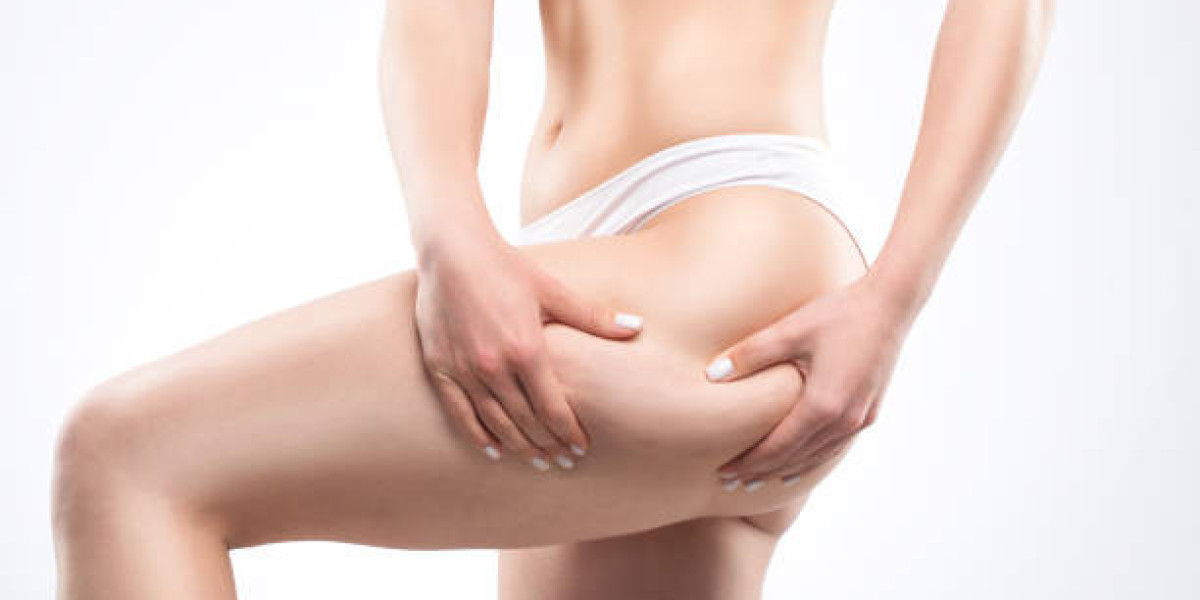

Recovery after a thigh lift is a gradual process that allows the body to heal after excess skin has been removed and the remaining tissue has been repositioned. The exact timeline varies depending on the surgical technique, extent of treatment, overall health, and individual healing. If you are considering thigh lift in riyadh, understanding the typical recovery stages can help you prepare for the healing process.
What to Expect Immediately After Surgery
The first few days are focused on rest, incision care, and controlling swelling and discomfort.
Initial Swelling and Bruising
Swelling and bruising around the treated areas are common after surgery and generally improve gradually.
Rest and Limited Movement
Your surgeon may recommend limiting movement initially while taking short, gentle walks as appropriate to support circulation.
Incision Care
Follow your surgeon's specific instructions for keeping the incision sites clean and protected.
Week 1: Early Healing
The first week is typically the most restrictive stage of recovery.
Managing Discomfort
Tenderness, tightness, or discomfort may occur around the treated areas. Follow your surgeon's instructions for pain management.
Protecting the Incisions
Avoid unnecessary pressure or stretching around the surgical sites.
Gentle Movement
Your medical team may recommend light movement while advising you to avoid strenuous activity.
Follow-Up Appointment
An early follow-up allows your surgeon to assess healing and address any concerns.
Week 2: Gradual Improvement
During the second week, many patients begin feeling more comfortable, although healing is still underway.
Swelling Continues to Decrease
Swelling may remain but should gradually improve.
Increasing Daily Activity
You may slowly return to appropriate everyday activities according to your surgeon's guidance.
Continued Incision Care
Continue following all instructions for wound and incision care.
Avoid Strenuous Exercise
Heavy lifting and intense physical activity may still be restricted.
Week 3: Increasing Mobility
By the third week, mobility may continue improving, depending on individual healing.
Greater Comfort
Tenderness and tightness may become less noticeable.
Gradual Return to Routine
Some normal activities may become easier, but your surgeon should determine when specific activities are safe.
Monitoring Incisions
Continue observing the incision areas for unusual changes and follow your postoperative instructions.
Week 4: Continued Recovery
Around the fourth week, many patients experience further improvement in swelling and mobility.
Improved Movement
Everyday movement may become more comfortable.
Remaining Swelling
Some swelling can still be present and may take longer to fully resolve.
Follow Medical Guidance
Do not resume strenuous exercise simply because you feel better. Follow your surgeon's specific timeline.
Weeks 5–6: Returning to More Activities
At this stage, recovery may be progressing well for many patients, although individual timelines differ.
Increased Activity
Your surgeon may gradually allow more physical activity if healing is progressing appropriately.
Improving Contours
The shape of the thighs may become more apparent as swelling continues to decrease.
Scar Healing
Incisions continue to heal, while scars may remain noticeable and gradually mature.
Beyond Six Weeks: Longer-Term Healing
Recovery does not necessarily end at six weeks.
Continued Scar Maturation
Scars can take considerably longer to mature and change in appearance.
Residual Swelling
Small amounts of swelling may persist for some time, particularly after more extensive procedures.
Final Contours
The final appearance becomes clearer as tissues settle and postoperative swelling resolves.
Factors That Can Affect Recovery
Several factors can influence how quickly someone recovers from Thigh Lift Surgery in Riyadh.
Surgical Technique
Different thigh lift techniques involve different incision patterns and treatment areas.
Extent of Surgery
More extensive procedures may require a longer recovery period.
Overall Health
General health and lifestyle habits can influence healing.
Individual Healing
Every patient's body responds differently to surgery.
How to Support a Smooth Recovery
Follow Your Surgeon's Instructions
Your personalized postoperative plan should take priority over general recovery timelines.
Protect the Incisions
Keep surgical areas cared for according to your medical team's instructions.
Avoid Excessive Activity
Do not rush back into strenuous exercise or heavy lifting.
Maintain Healthy Nutrition
Adequate nutrition and hydration can support the body's healing process.
Attend Follow-Up Appointments
Scheduled appointments allow your surgeon to monitor progress and identify concerns early.
Warning Signs to Watch For
Although complications are not expected in every patient, it is important to contact your medical team if you experience unusual or worsening symptoms.
Increasing Pain
Pain that suddenly becomes severe or worsens should be discussed with your healthcare provider.
Significant Swelling
Sudden or unusual swelling should be assessed promptly.
Wound Changes
Unexpected drainage, separation, or significant changes around an incision should be reported.
Fever or Other Concerning Symptoms
Follow your surgeon's instructions regarding symptoms that require medical attention.
What Can Affect the Final Results?
Weight Stability
Maintaining a stable weight can help preserve body-contouring results.
Skin Quality
Individual skin elasticity can influence the final appearance.
Postoperative Care
Following medical instructions carefully can support appropriate healing.
Natural Aging
The body continues to change naturally over time, even after successful surgery.
Why Professional Guidance Matters
When planning Thigh Lift Surgery in Riyadh, remember that a week-by-week timeline is only a general guide. Your surgeon may recommend a different recovery schedule based on your surgical technique, medical history, healing progress, and individual needs.
Never resume strenuous activities or stop postoperative care based solely on a general timeline. Your medical team's instructions should always take priority.
Book an Appointment at Royal Clinic Saudia
If you are considering a thigh lift and want personalized guidance about the procedure and recovery process, book an appointment at Royal Clinic Saudia. The professional team can evaluate your goals and provide appropriate guidance throughout consultation, treatment, and recovery.
FAQs:
How long does thigh lift recovery take?
Recovery varies between patients. Early healing occurs over several weeks, while swelling, scars, and final contours can continue improving for longer.
When can I exercise after a thigh lift?
The timing depends on your healing and surgical technique. Your surgeon should confirm when it is safe to resume specific exercises.
Is swelling normal after thigh lift surgery?
Yes. Swelling is common after surgery and generally decreases gradually during recovery.
When will I see the final results?
The final appearance develops progressively as swelling resolves and the tissues settle. Your surgeon can provide a more personalized expectation based on your procedure.