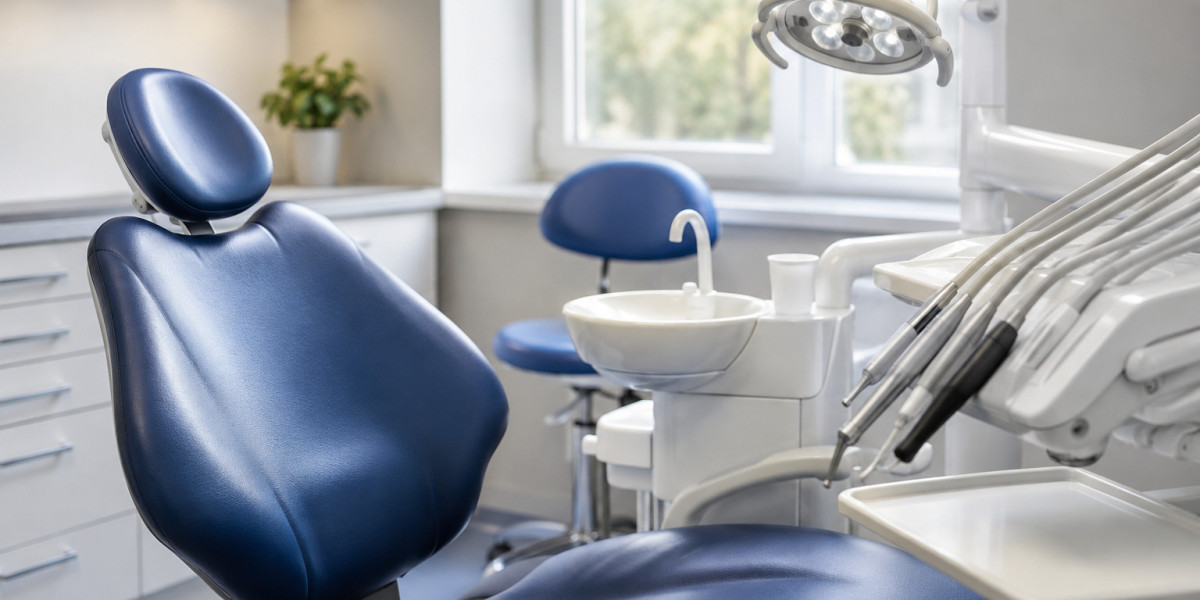

When sudden tooth pain, swelling, bleeding, or a dental injury occurs, knowing where to seek prompt treatment can make a significant difference. emergency dental services charlotte nc are designed to address urgent oral health problems that should not be postponed until a routine dental appointment. For Charlotte residents, recognizing the warning signs and understanding what treatment may be needed can help prevent a manageable dental problem from becoming more complicated.
What Is Considered a Dental Emergency?
A dental emergency is generally a situation involving significant pain, bleeding, swelling, infection, or trauma that requires prompt professional assessment. A broken or knocked-out tooth, severe toothache, facial swelling, a dental abscess, or uncontrolled bleeding may require urgent attention.
Not every dental problem requires an emergency visit. However, persistent or worsening symptoms should not simply be ignored. The American Dental Association emphasizes that patients experiencing pain should be assessed and offered appropriate relief while the underlying problem is addressed.
Severe Tooth Pain Should Not Be Ignored
A sudden or intense toothache can result from several underlying problems, including advanced decay, inflammation of the dental pulp, a cracked tooth, gum infection, or an abscess. Pain that interferes with sleeping, eating, speaking, or normal daily activities deserves professional evaluation.
Temporary measures may reduce discomfort, but they do not necessarily eliminate the source of the problem. Depending on the diagnosis, treatment may include a filling, root canal treatment, drainage of an infection, restoration, or extraction.
The ADA's evidence-based guidance also notes that antibiotics are not appropriate for most pulpal and periapical dental conditions without systemic involvement. Definitive dental treatment is often necessary to address the cause rather than simply masking symptoms.
When Swelling or Infection Requires Immediate Attention
Swelling around the tooth, gums, jaw, or face can be a warning sign of infection. A dental abscess may develop when bacteria enter the inner structures of a tooth or surrounding tissues. Symptoms can include throbbing pain, sensitivity, swelling, an unpleasant taste, fever, or difficulty opening the mouth.
Facial swelling accompanied by difficulty breathing or swallowing can represent a serious medical emergency. In such circumstances, patients should seek emergency medical care immediately rather than waiting for a routine dental appointment.
Early professional assessment can help determine whether the problem can be treated directly in a dental setting or requires hospital-based care.
Dental Injuries Need Prompt Evaluation
Accidents involving sports, falls, vehicle collisions, or other trauma can damage teeth and surrounding tissues. A tooth may become chipped, cracked, displaced, or completely knocked out.
Prompt assessment is important because dental trauma can affect the tooth's supporting structures even when the visible damage appears minor. A dentist can evaluate the injury and determine whether stabilization, restoration, root canal treatment, or another procedure is appropriate.
For a knocked-out permanent tooth, time is especially important. Avoid handling the root, keep the tooth moist, and seek professional dental care as quickly as possible.
Why Timely Treatment Matters
Delaying treatment can allow some dental conditions to progress. A small cavity may eventually affect deeper portions of the tooth, while an untreated infection can spread into surrounding tissues.
The Centers for Disease Control and Prevention reports that approximately 1 in 5 U.S. adults ages 20–64 has at least one untreated cavity. The CDC also notes that more than 40% of adults report experiencing mouth pain within the previous year.
Recent national data further demonstrates the scale of urgent dental problems. According to the CDC's National Center for Health Statistics, tooth disorders accounted for an annual average of approximately 1.94 million emergency department visits in the United States during 2020–2022. Adults ages 25–34 represented the largest share, at 29.2%.
These figures demonstrate why accessible, timely dental treatment remains important for communities throughout the country, including Charlotte.
Dental Office or Hospital Emergency Department?
A hospital emergency department can be appropriate when a dental problem is accompanied by potentially life-threatening symptoms such as severe facial swelling affecting breathing, uncontrolled bleeding, or other serious medical concerns.
For many dental-specific problems, however, a dental professional is better positioned to identify and treat the underlying oral condition. The ADA estimates that more than 2 million dental-pain-related emergency department visits occur annually in the United States. It also reports that emergency department treatment for dental conditions can be considerably more expensive than care delivered in a dental office.
This distinction matters because pain medication alone may provide temporary relief without resolving the dental condition responsible for the symptoms.
How Charlotte Patients Can Prepare for a Dental Emergency
Preparation can make an unexpected dental problem easier to manage. Charlotte residents can keep basic dental information readily available, know where to seek urgent care, and avoid postponing persistent symptoms.
If a dental injury occurs, documenting what happened and when it occurred can help the dental team understand the situation. Patients should also provide information about current medications, allergies, previous dental treatment, and relevant medical conditions.
Most importantly, severe pain, significant swelling, uncontrolled bleeding, or traumatic dental injuries should receive professional attention rather than being left untreated.
A Trusted Local Option for Urgent Dental Concerns
For individuals searching for an emergency dentist in Charlotte, choosing a conveniently located dental provider can make it easier to obtain prompt evaluation when unexpected problems arise. Local access is particularly valuable when pain or injury makes traveling long distances difficult.
Patients in the Charlotte area can contact Emergency Dentist Charlotte at 1824 East Arbors Drive, Charlotte, NC to learn more about available urgent dental care and determine the appropriate next step for their situation.
Final Thoughts
Dental emergencies can happen without warning, but understanding the symptoms that require prompt attention can help patients respond appropriately. Severe pain, swelling, infection, uncontrolled bleeding, and dental trauma should never be casually dismissed.
As the American Dental Association has stated, “Oral health is integral to overall health.” Timely dental care is therefore not simply about relieving discomfort; it is also about identifying and treating problems before they become more serious.
For Charlotte residents dealing with an urgent dental concern, Emergency Dentist Charlotte provides a local point of contact at 1824 East Arbors Drive, Charlotte, NC, where patients can seek information about appropriate next steps.