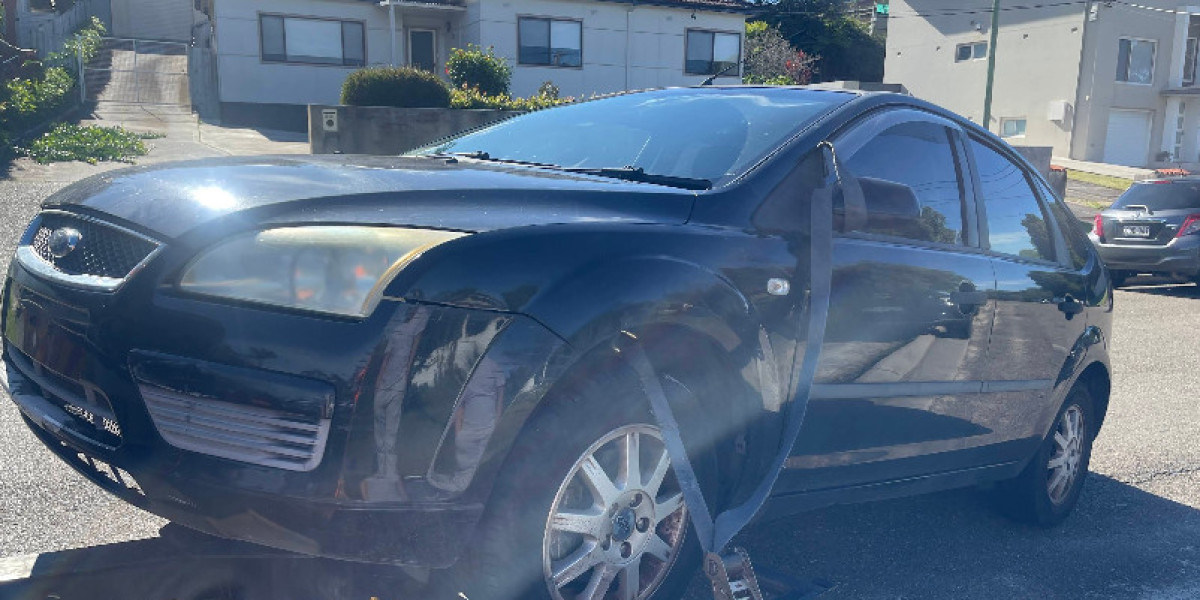

Selling a junk car in Penrith is common because many vehicles reach the end of their road life due to age, engine issues, accident damage, or parts failure. Penrith, a major Sydney suburb with a busy commuting culture, sees a high number of older cars that stop operating before owners plan to replace them. When this happens, car holders think about scrapping, selling, storing, or repairing. Repair often costs more than replacing the car, and storage takes space that most homes do not have. This pushes many owners toward selling their non-working vehicles for cash.
A junk car is generally a vehicle that has low to no resale market demand in the used car space. It might run poorly, fail mechanical checks, leak fluids, have rust damage, or be unable to start. Across New South Wales, around 12–15 per cent of cars are deregistered each year due to end-of-life failure, according to transport data trends observed in recycling and metal recovery sectors. Many of these vehicles still contain materials like aluminium, steel, copper, rubber, plastic compounds and glass that can be reused, recycled, or repurposed.
We explains the process, requirements, financial considerations, legal points, and practical steps for selling cash for unwanted cars Sydney without confusion, risk, or delay.
Common Reasons Vehicles Become Junk Cars
Junk cars in Penrith often fall into a few key categories:
Mechanical collapse
Engines can stop working due to oil starvation, snapped timing belts, overheating, or cylinder failures. Transmission and gearbox faults are also costly to fix. Once the repair bill goes beyond the vehicle market price, owners often give up on repairs.
Accident damage
Western Sydney highways and traffic congestion contribute to crash numbers. NRMA insurance data has shown that NSW records some of the highest vehicle collision rates in Australia. Many cars written off by insurers still hold metal and parts worth recovering, even when they no longer operate.
Rust and structural decay
Older cars kept near humid areas or exposed to rain over long periods start developing rust under panels, around door frames, under chassis lines and wheel wells. Rust weakens integrity and eventually makes the car unsafe.
Electrical and computer system failure
Modern vehicles rely on sensors, wiring circuits, onboard computers, and control modules. When these fail, cars may refuse to start, accelerate, brake correctly or stay powered. Electrical diagnosis and replacement costs can exceed vehicle resale numbers.
What Can Still Hold Material Worth in a Junk Car
Even a car that does not start still carries materials that recycling industries extract:
- Steel – chassis, frame, body panels, exhaust systems
- Aluminium – engine components, wheels, radiator parts
- Copper – wiring harness, starter motors, alternators
- Lead – batteries
- Plastics – dashboards, bumper moulds, trims
- Rubber – tyres, belts, seals
- Glass – windows, mirrors
Scrap metal grades change in price depending on global metal demand. Steel and copper markets have consistent activity because they support manufacturing, building and electronics industries. This is why junk vehicles maintain an active demand despite not being drivable.
How to Decide If a Car Is Still Saleable or Already Junk
Ask these points honestly:
- Can the car start without repeated jump leads?
- Does it drive without stalling, smoke, or shaking?
- Will it pass a road inspection without major repairs?
- Is the cost of fixing lower than the return after selling?
- Is rust visible on structural parts under the car?
- Has an insurer already labelled it a write-off?
- Has registration expired for a long period?
If most answers indicate mechanical or financial loss, the vehicle sits in the junk category. Owners who accept this early lose less time and money holding a car that will not serve them again.
Basic Documents and Ownership Proof Needed
Selling any car in New South Wales requires validating ownership. This avoids legal risk for both seller and buyer. Items to prepare include:
- Proof of identity (NSW driver licence or another government ID)
- Registration papers if available
- Original purchase record or ownership transfer document
- Notice of disposal form for Service NSW
- Any service records (optional but helpful)
If the vehicle has no registration, lost plates, or expired papers, the owner can still sell it but must show identity proof and sign a disposal declaration.
Legal Transfer Steps in NSW
When selling any car, the seller must complete a disposal notice. In NSW this is lodged through Service NSW, either online or in person. This process removes liability from the seller once the car leaves their property.
Key steps include:
- Complete the disposal notice with the buyer details.
- Hand the car and keys to the new party.
- Remove personal items from inside the car.
- Take photos if needed for record keeping.
- Keep a written copy of the buyer name, collection time and date.
Once lodged, fines, toll charges or driving incidents will not fall under the former owner name. This step is not optional and protects the seller.
Preparing the Car Before Collection
Owners do not need to restore the vehicle, but a few tasks help the process:
Clear the interior
Glove boxes, sun visors, boots and seat pockets often store old toll tags, receipts, coins, papers, or personal work items. Removing these prevents accidental loss.
Remove plates if selling as scrap
If registration is expired or the car is sold without plates, return number plates to Service NSW.
Check for lithium devices
Bluetooth trackers, dash cameras, stereo USB sticks, or GPS devices should be removed if present.
Look for fluids leaks
If the car leaks oil or fuel, placing cardboard under it protects the driveway until pick up occurs.
What Influences the Cash Return on a Junk Car
Even non-working vehicles are reviewed with criteria that affect the final offer:
Metal weight
Heavier cars carry more metal to recycle, which can lift the return.
Component condition
Gearboxes, catalytic converters, radiators, tyres and batteries may still qualify for parts recovery.
Distance and location
Penrith sits in a transport-friendly zone with major road links like the M4 Exit, Great Western Highway and proximity to industrial yards, which helps logistics.
Model and year
Certain car brands have reusable parts that stay in demand longer than others.
Damage severity
Fire damage, flood submersion and extreme rust reduce component reuse options.
Mistakes to Avoid When Selling a Junk Car
Holding the car too long
Junk cars do not grow in market demand after sitting. Weather, rust, fluid leaks and battery swell cause decline over time.
Paying for ads on low-return vehicles
Listing a junk car for private sale often brings no result because private buyers search for driving cars, not scrap vehicles.
Skipping ownership transfer
Not filing the disposal notice can lead to future fines appearing under the old owner name.
Accepting verbal-only agreements
Every sale should include a written handover record with date, time and buyer name.
Leaving fuel or LPG tanks unchecked
Cars with LPG tanks require safe removal before breakdown. This should always be handled correctly.
Safe Collection and Vehicle Removal Notes
When a junk car is picked up, ensure the process includes:
- A proper tow truck or tilt tray vehicle
- No dragging that damages property
- No oil spills on driveway surfaces
- Formal handover confirmation
- Number plate removal if required
Local councils in NSW can enforce penalties for abandoned vehicles, which is why arranging pickup is better than leaving a car on public roads.
Environmental Contribution of Car Recycling
Vehicle recycling reduces landfill pressure and cuts raw metal sourcing demand. Recycling one tonne of steel saves approximately:
- 1,131 kg of iron ore
- 633 kg of coal
- 54 kg of limestone
These figures are commonly referenced across steel recycling studies in Australia. Car recycling also stops oil, fuel and battery acid from leaking into soil and waterways.
Financial Thought Process When Selling Junk Cars
A junk vehicle rarely serves like an asset after breakdown. It begins acting like a liability if it:
- Takes space
- Leaks fluids
- Attracts council attention
- Has repair costs above resale scope
- Cannot achieve road clearance
Selling at the right time ends loss accumulation.
Many Penrith car holders look for a removal option that collects vehicles without adding towing pressure to the owner side. A choice like Cash For Cars Penrith fits into this discussion because local pickup support removes the problem of driving or towing a dead car across town. People who own cars that no longer start or pass inspections often need a service that comes to the driveway, checks the vehicle on location and organises tow collection without asking the owner to arrange vehicle transport. This matches the real situation of most junk car sellers who have a car sitting idle at home and need an exit plan that does not add more tasks.
Ending Notes
Selling a junk car is not complicated once the owner understands the material worth, legal steps, handover process and timing. Cars that fail, age out, rust away or lose mechanical function still play a role in metal recycling and parts recovery. Acting sooner rather than later protects property space, avoids council issues, cancels ongoing vehicle liabilities and places the car into a recycling pathway where materials find a second life.
The process becomes smooth when the owner gathers ID, files the disposal notice, clears the car, removes plates if needed, and confirms pickup without risking future name liability. Penrith car owners who follow these steps complete the process in a clean, lawful and organised way that avoids roadblocks, delay, confusion and repeated calls.