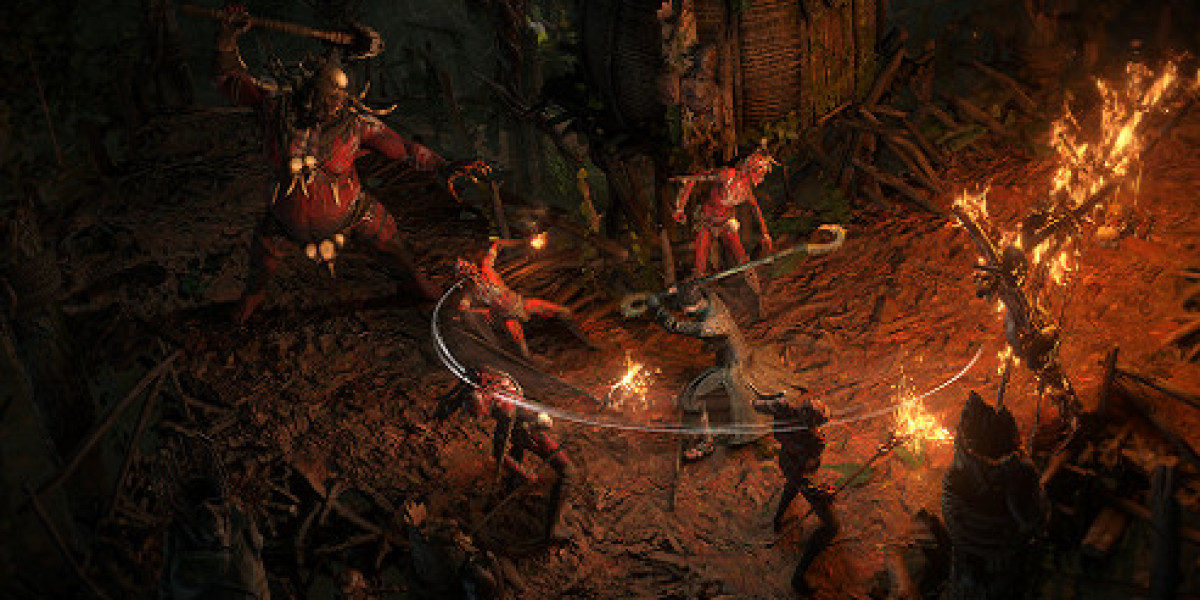

Patch 0.5 does not turn Path of Exile 2 into a different game overnight, but it makes the everyday routine feel less awkward. That matters more than it sounds. A few seconds saved while sorting gear, checking a modifier, or getting back into a map can add up across an entire evening. If you are trying to build a healthy stash of POE 2 Currency, the best approach is not to chase every shiny drop. It is to cut down on wasted movement and poor decisions. You will notice the difference first during leveling, then even more clearly once your character starts running endgame content.
Make Gear Decisions With a Clear Plan
During the campaign, it is easy to replace equipment just because a new item has a higher number in one slot. That is usually not enough. Look at the whole picture. A weapon may deal more damage but leave your attributes short. Boots may have lower defenses yet make the character feel much quicker because of their movement bonus. The improved comparison tools are useful here, especially when two items look similar at a glance. Take a moment to check resistances, life, defensive values, and the requirements of your main skills. You do not need perfect gear while leveling. Upgrade when something is holding you back, such as slow kills, weak defenses, or a missing attribute. Otherwise, keep moving and save your resources for a change you will actually feel.
Keep the Stash Under Control
Your stash can become a second job if you let every drop stay there forever. A simple layout helps. Put crafting materials in one place, endgame items in another, and keep possible trade gear away from ordinary equipment. It is also worth having a small section for items you might use on another character. That section should stay small, though. If it fills up, review it and make some decisions. Search tools are much faster than dragging through tab after tab, so use modifier names, item types, level requirements, and other useful terms whenever possible. I also like to leave a little room in the inventory before starting a long run. Nothing kills the rhythm of a good map like returning to town because there is space for one more item and nowhere to put it.
Spend Less Time Travelling and Sorting
Good farming is often about the minutes nobody notices. Walking back through a zone, checking every low-value item, or opening the same menu several times does not feel costly in the moment. Over a full session, it is. Set up your character before you leave town. Carry the consumables you normally use, clear old loot, and know where new items will go. When a map is finished, get back into the next one instead of turning a short break into a long sorting session. Selective looting helps as well. Early on, pick up more because bases and useful resources matter. Later, be stricter. If a drop is unlikely to help your build, support a craft, or attract a buyer, leave it behind. Faster movement and fewer interruptions usually matter more than squeezing value from every small item.
Use Crafting and Trading to Fix Real Problems
Crafting works best when you already know what the item needs to do. Start with a suitable base, check the modifiers it has, and decide how much you are prepared to spend before using valuable materials. Stop when the item is good enough for the build. Trying to force one piece into perfection can drain the resources needed for several other upgrades. Trading should follow the same rule. Identify the problem first. Maybe your resistances are low, your weapon has fallen behind, or your build needs a particular attribute. Buy for that reason, not because an item looks impressive in isolation. Before confirming a trade, check the level requirement, equipment type, skill interaction, sockets, and every important modifier. A cheaper item that fixes a real weakness is often more useful than an expensive piece that only adds damage.
Final Thoughts
The strongest way to approach Patch 0.5 is to build a routine you can repeat without thinking too much. Push through the campaign instead of over-farming old areas. Keep the stash tidy, compare items properly, and spend resources when an upgrade solves a clear problem. In the endgame, focus on steady clears, short town visits, and loot that deserves your attention. If you need to fill a specific gap in your progression, planning your purchases through poe2 buy currency can keep that process focused, while sensible saving leaves room for the next major upgrade.