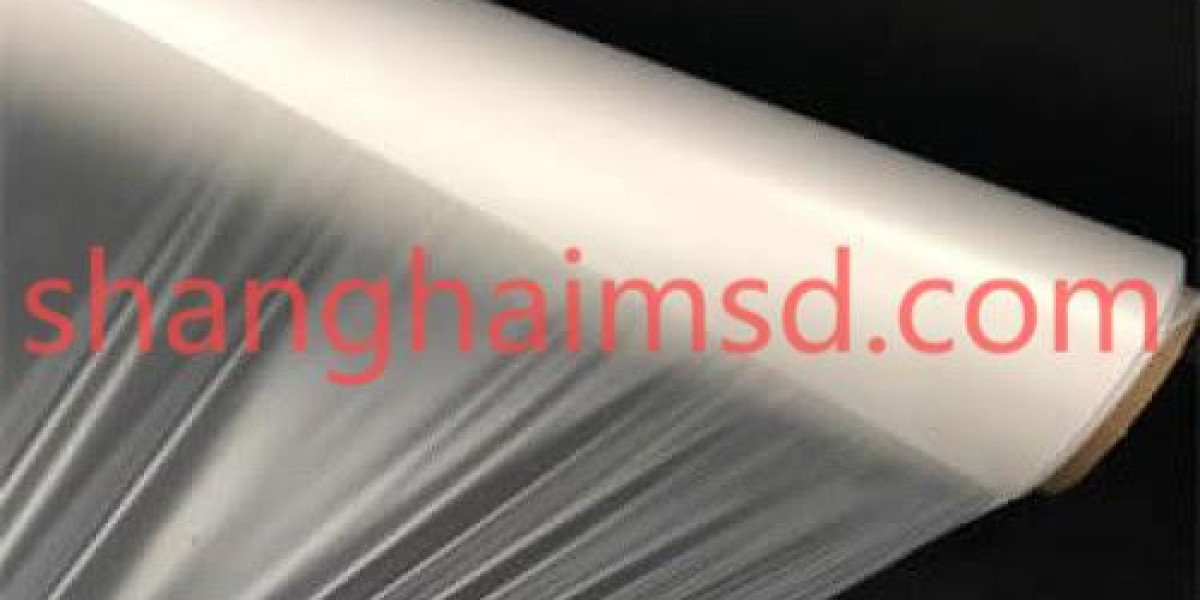

When a project depends on visual clarity while retaining the flexibility of a film material, PVC Super Clear Film from ShanghaiMsd offers a practical direction for designers and manufacturers. Clear materials can create a distinctive connection between protection, presentation, and product visibility, making them suitable for applications where maintaining an unobstructed visual effect is part of the design goal.
Transparency can influence how people experience a product or space. Instead of completely covering an underlying surface, a clear film can allow its original appearance, graphics, colors, or structural details to remain visible. This creates opportunities for designs that require a balance between surface treatment and visual openness.
One useful characteristic of clear film solutions is their adaptability across different concepts. Designers may incorporate transparent surfaces into packaging ideas, protective coverings, decorative applications, display elements, or specialized products. The material can become part of a design without necessarily dominating the visual composition.
For retail and display environments, clarity can play an important role in presentation. Products, graphics, and decorative elements often need to remain visible while receiving an additional surface layer. A transparent film can support this approach, allowing businesses to think about protection and presentation as connected parts of the same concept.
Clear materials can also contribute to interior design applications. Transparent or visually light surfaces may help maintain the appearance of an underlying structure while introducing a new functional or decorative layer. This can be useful for designers working with contemporary interiors, creative installations, and spaces where visual continuity matters.
In manufacturing, material selection should be closely connected to the intended product structure. Designers may need to consider how the film interacts with other components, how it will be processed, and what role transparency plays within the finished item. Thinking about these elements early can help create a more coherent product concept.
Another interesting possibility is the combination of clarity with printed or decorative treatments. Depending on the application, visual elements can be arranged around transparent sections to create layered effects. This gives creative teams room to experiment with depth, contrast, and visual communication without relying entirely on opaque surfaces.
Clear film materials can also support temporary concepts and changing displays. Exhibition elements, promotional installations, protective coverings, and presentation structures may benefit from a material that allows underlying visuals to remain part of the experience. This flexibility can make transparent solutions useful across projects with different creative objectives.
Choosing a clear film should begin with the intended application rather than appearance alone. Consider the required transparency, surface concept, processing method, surrounding materials, and desired visual effect. A thoughtful approach can help the material integrate naturally into the finished design.
As product development and interior design continue to place greater emphasis on visual openness, transparent materials provide another way to connect functionality with aesthetics. Their ability to reveal rather than conceal can inspire fresh approaches to familiar applications.
Sometimes the clearest design direction is the one that lets the original idea remain visible. Visit https://www.shanghaimsd.com/product/ and take a closer look at the material possibilities that could bring transparency into your next project.