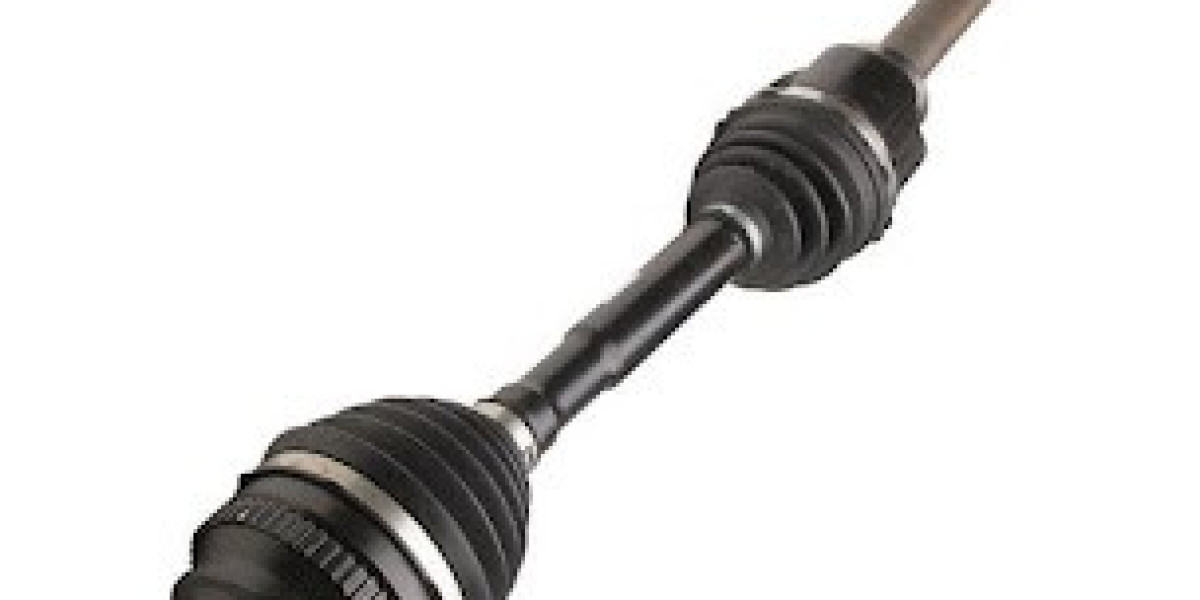

Your vehicle's tailshaft plays an important role in transferring power from the transmission to the differential and wheels. Because it operates under constant load and rotates at high speeds, wear or damage can eventually affect its performance. The challenge is that tailshaft problems often begin with subtle symptoms that drivers may overlook.
Vibrations, clunking noises, shuddering during acceleration and unusual movement underneath the vehicle can all indicate a developing problem. Identifying these signs early can help prevent further driveline damage and potentially reduce repair costs.
For Melbourne drivers, regular inspections are particularly useful because potholes, uneven roads, speed humps and frequent stop-start traffic can place additional stress on driveline components.
What Does a Tailshaft Do?
The tailshaft transfers rotational power from the transmission to the differential, allowing the wheels to receive power from the engine.
Depending on the vehicle, the tailshaft may include or work alongside:
- Universal joints.
- Centre bearings.
- Flanges.
- Slip joints.
- Differential connections.
Every component needs to work correctly for the driveline to operate smoothly. A fault in one area can affect the performance of the entire system.
1. Vibrations While Driving
One of the most noticeable warning signs is vibration.
You may feel it through:
- The floor.
- Seats.
- Steering wheel.
- Vehicle body.
The vibration may become more noticeable when accelerating or travelling at certain speeds.
Possible causes include an imbalance, bent shaft, worn universal joint or damaged centre bearing. Professional tailshaft repairs Melbourne can help identify the source and determine the appropriate repair.
2. Clunking When Accelerating or Changing Gears
A clunking sound when taking off, accelerating or changing between drive and reverse can indicate excessive movement within the driveline.
Possible causes include:
- Worn universal joints.
- Loose mounting components.
- Excessive tailshaft play.
- Differential wear.
A single clunk may not always indicate a serious problem, but repeated or worsening noises should be inspected.
3. Shuddering During Acceleration
If your vehicle shudders when you accelerate, the tailshaft may not be rotating smoothly.
This can be particularly noticeable when:
- Taking off from a stop.
- Climbing a hill.
- Towing a trailer.
- Carrying a heavy load.
However, acceleration shudder can have several causes, so a professional inspection is needed to distinguish a tailshaft problem from issues involving the transmission, mounts or other driveline components.
4. Tailshaft Imbalance
A tailshaft must be properly balanced because it rotates at high speed. Even a small imbalance can create significant vibration.
An imbalance may develop because of:
- Impact damage.
- Missing balance weights.
- Component replacement.
- General wear.
- A bent shaft.
Professional tailshaft balancing Melbourne can correct rotational imbalance and help restore smooth operation.
5. Unusual Noises From Underneath the Vehicle
Pay attention to sounds coming from underneath your vehicle.
Potential warning noises include:
- Knocking.
- Clunking.
- Squeaking.
- Rattling.
- Humming.
The type and timing of the noise can provide technicians with useful information when diagnosing the problem.
6. Worn Universal Joints
Universal joints allow the tailshaft to operate through changing angles while continuing to transfer engine power.
When they become worn, you may notice:
- Clunking.
- Vibration.
- Excessive movement.
- Squeaking.
- Rough acceleration.
If a universal joint is severely worn, continuing to drive can place additional stress on other driveline components.
7. Centre Bearing Problems
Some vehicles use a centre bearing to support a multi-section tailshaft.
A worn centre bearing may cause:
- Vibration.
- Driveline shudder.
- Humming noises.
- Excessive shaft movement.
Replacing a worn bearing early can help prevent further damage to the tailshaft assembly.
8. Damage After Hitting a Pothole
Melbourne's roads can be challenging for vehicle components. A significant pothole or road impact can potentially damage or misalign driveline components.
After a major impact, watch for:
- New vibrations.
- Changes in driving feel.
- Clunking noises.
- Reduced acceleration smoothness.
If symptoms appear immediately after an impact, arrange an inspection rather than continuing to drive and hoping the problem disappears.
Don't Forget the CV System
Tailshaft problems aren't the only source of driveline symptoms. The CV system should also be inspected when diagnosing vibration, noise or acceleration issues.
CV joints Melbourne can develop wear that causes clicking while turning or vibration under acceleration.
Likewise, damaged CV boots Melbourne can allow grease to escape and contaminants to enter the joint.
Inspecting these components alongside the tailshaft helps technicians identify the actual cause of a driveline problem.
Could the Power Steering System Be Involved?
Steering issues can sometimes occur at the same time as driveline problems.
If you also notice:
- Heavy steering.
- Steering fluid leaks.
- Steering wheel vibration.
- Whining while turning.
the power steering pump Melbourne and associated steering components may require inspection.
A complete vehicle assessment is useful when multiple symptoms appear together.
When Should You Arrange a Tailshaft Inspection?
You don't necessarily need to wait until the vehicle develops severe symptoms.
Consider arranging an inspection if:
- Your vehicle develops new vibrations.
- You hear repeated clunking noises.
- The vehicle shudders under acceleration.
- You've recently hit a large pothole.
- The vehicle is used regularly for towing.
- The driveline has recently been repaired.
- The vehicle has high kilometres.
Early diagnosis can help prevent a relatively straightforward repair from becoming a major driveline problem.
How Professional Tailshaft Repairs Help
A professional inspection allows technicians to assess the condition of the entire assembly rather than focusing on one symptom.
Depending on the findings, repairs may involve:
- Replacing universal joints.
- Replacing centre bearings.
- Correcting tailshaft balance.
- Repairing damaged components.
- Straightening or replacing a damaged shaft.
Professional tailshaft repairs Melbourne can restore smooth power transfer while helping protect other driveline components.
Supporting Melbourne Drivers
If your vehicle has developed vibration, shuddering, clunking or unusual noises, having the driveline inspected early can help prevent further damage. A specialist can assess the tailshaft, universal joints, centre bearings and related components to determine the most suitable repair.
For Melbourne motorists, a business's Google Business Profile can also provide useful information when choosing a local workshop. Customer reviews, workshop photos, opening hours and recent updates can help you compare local specialists before booking a service.
Whether you need tailshaft repairs Melbourne, professional tailshaft balancing Melbourne, or an inspection of CV joints Melbourne and CV boots Melbourne, choosing an experienced driveline specialist can provide greater confidence in the quality of the repair.
Final Thoughts
A tailshaft rarely develops a serious problem without showing some warning signs first. Vibrations, clunking noises, shuddering during acceleration, unusual sounds and problems following a road impact should all be taken seriously.
Getting the vehicle inspected early can help identify the cause before additional driveline components become damaged. Regular maintenance, careful driving and prompt professional repairs can help keep your vehicle's driveline smooth, reliable and ready for Melbourne roads.