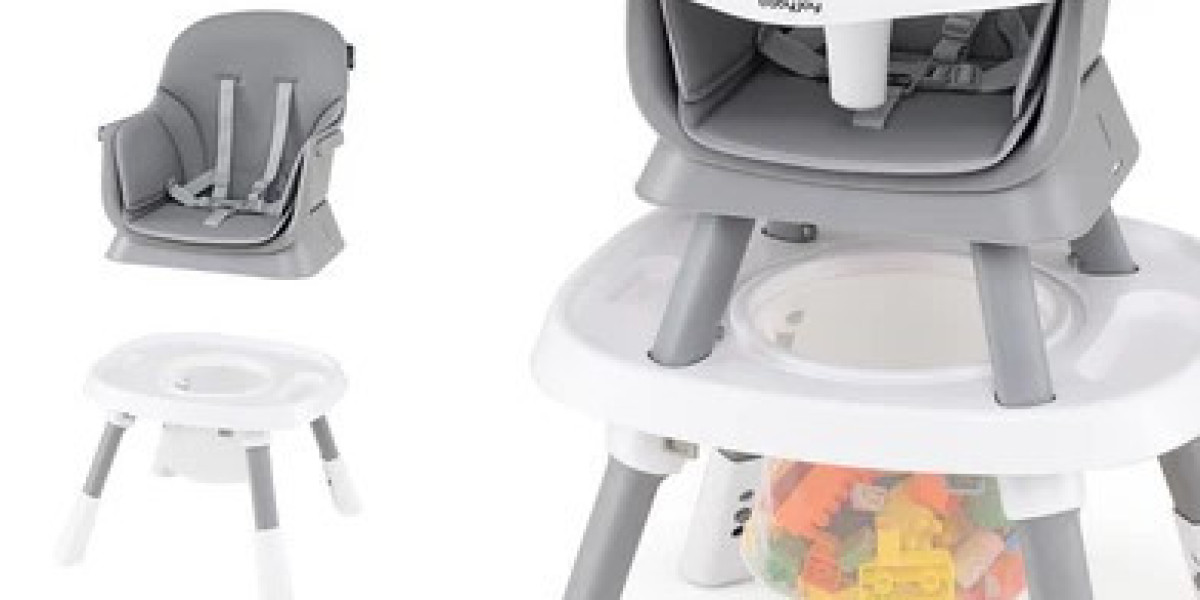

When businesses develop feeding furniture for families and childcare markets, product design needs to balance comfort, stability, appearance, and everyday convenience. A Baby Feeding Chair Factory can provide practical solutions for different market requirements, while working with a professional Baby Feeding Chair Factory can also support customization, material selection, packaging, and production planning. From simple dining chairs to adjustable feeding furniture, careful manufacturing helps create products suitable for modern daily routines.
Practical Design For Daily Feeding
A baby feeding chair is designed to provide a dedicated seating space during meals. Its overall structure should be practical for parents while offering a suitable environment for children during everyday feeding activities.
The seat, backrest, tray, legs, and supporting frame form the basic structure of many feeding chairs. Each component has a specific function and needs to work effectively with the others.
The tray can provide a convenient surface for meals and can be designed with different shapes and sizes according to the product concept. Removable tray designs may also make cleaning and storage more convenient.
A supportive backrest contributes to the overall seating design, while a suitable footrest can provide additional support. Depending on the model, manufacturers may also develop adjustable structures for different usage situations.
For retailers and distributors, practical design can make a product easier to introduce to different customer groups. Simple appearance can appeal to customers looking for everyday furniture, while more detailed designs may be suitable for specialized product collections.
Materials And Construction Considerations
Material selection affects the appearance, weight, maintenance, and overall structure of a feeding chair. Different materials can be used for different components according to the product design.
Plastic is commonly suitable for molded seats, trays, covers, and other shaped components. It provides design flexibility and can be produced in different colors and surface patterns.
Metal can be used for supporting frames or structural sections. Depending on the design, metal parts can receive surface treatments that help maintain their appearance during regular use.
Other materials may be incorporated for decorative elements or specific functional requirements. The final combination should correspond with the intended product positioning and market.
Structural connections are equally important. Legs, frames, seats, trays, and support components need to be assembled accurately so that the finished chair maintains its intended configuration.
Surface design can also influence maintenance. Smooth, accessible surfaces can make routine cleaning easier, particularly because feeding furniture may come into frequent contact with food and drinks.
For manufacturers, maintaining consistent dimensions across production batches is important for wholesale customers. Stable specifications help retailers maintain a consistent appearance throughout their product inventory.
Kidstablefactory Manufacturing And Customization
A well-organized manufacturing process usually includes design development, material preparation, component production, assembly, inspection, and packaging.
Product customization can begin before production. Buyers may request specific colors, materials, dimensions, tray styles, frame designs, packaging formats, or other details according to their target markets.
Clear product specifications can help reduce communication problems. Technical drawings, product samples, measurements, and photographs can provide useful references during development.
Different components may require different production techniques. Molded plastic parts can be produced according to established shapes, while metal components may require cutting, forming, welding, or surface treatment.
During assembly, individual components are combined into the completed chair. The relationship between the seat, frame, tray, legs, and other supporting elements needs to match the approved design.
Inspection can be performed at several stages. Visual inspection can identify surface imperfections, while dimensional checks can verify important measurements. Assembly checks can also help identify potential issues before packaging.
Packaging is particularly important for international orders. Appropriate packaging can help organize products and protect components during storage and transportation.
For businesses developing private-label furniture collections, customization can provide additional flexibility. Product colors, packaging, and selected structural details can be adjusted to better match a particular market.
Features For Different Customer Needs
Different users may have different expectations from feeding furniture. Families may focus on convenient cleaning, comfortable seating, and practical storage, while commercial buyers may pay greater attention to durability and maintenance.
For homes, a compact design can be useful when dining space is limited. Lightweight construction may also make it easier to move the chair between rooms.
For restaurants or childcare environments, straightforward surfaces and simple structures can support routine cleaning and handling. Product dimensions may also need to fit the available space.
Retailers may prefer products with distinctive appearances and several color options. Offering different configurations can help distributors serve customers with varied preferences.
Adjustable features can provide additional flexibility. Depending on the model, users may be able to adjust the tray, height, or footrest to create different configurations.
Manufacturers can develop different product styles based on these requirements. A basic model may focus on simple daily use, while a more feature-rich design can provide additional functions.
Understanding the intended market before production begins can help buyers select suitable materials, dimensions, features, and packaging.
Building A Consistent Supply Process
For wholesale buyers, product consistency is an important part of long-term purchasing. Stable dimensions, materials, colors, and assembly quality can make inventory management easier.
A clear development process can begin with product specifications and sample confirmation. Buyers can review the proposed design and request changes before larger production begins.
Production planning should consider order quantities, customization requirements, packaging, and delivery arrangements. Products with special colors or customized packaging may require additional preparation.
Quality inspection can continue throughout production rather than being limited to the final stage. Checking components during manufacturing can help identify problems before they affect larger quantities.
Communication also matters when developing customized furniture. Buyers should provide accurate information about product dimensions, intended use, packaging requirements, and market expectations.
For international customers, packaging and shipping details should be discussed early. Proper carton design and internal protection can help keep products organized during transportation.
A practical feeding chair combines thoughtful design with consistent manufacturing. By considering structure, materials, functions, appearance, and market requirements together, buyers can develop a product range suited to their customers.For more information about baby dining chairs and customized feeding furniture solutions, visit https://www.kidstablefactory.com .