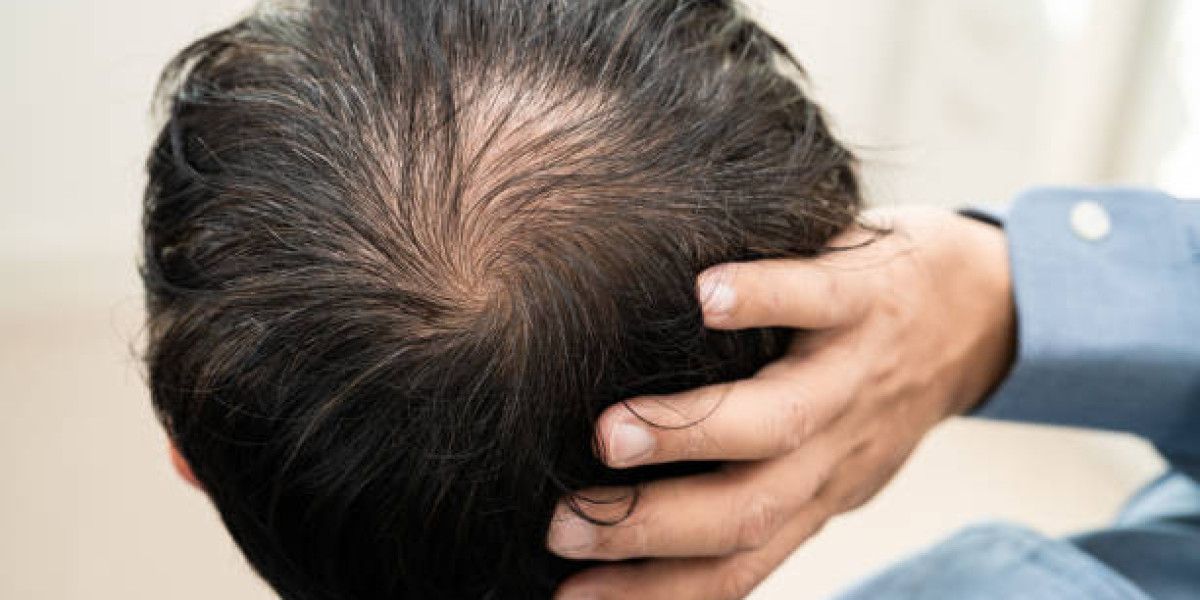

Hair thinning and excessive shedding can affect people at different stages of life, and finding a suitable approach often begins with understanding how the hair-growth cycle works. PRP hair treatment has gained attention as a minimally invasive option that uses components from the patient's own blood to support selected hair follicles. When appropriate for the individual, it may be considered as part of a personalized hair loss treatment plan focused on maintaining existing hair and improving visible density.
PRP, or platelet-rich plasma, is not designed to produce instant results or work identically for everyone. Its potential benefits depend on factors such as the cause of hair loss, follicle condition, overall scalp health, and individual response. For people exploring Hair Loss Treatment in Riyadh, a professional assessment can help determine whether PRP is suitable and whether it should be used alone or alongside another hair-restoration approach.
What Is PRP Hair Treatment?
PRP hair treatment involves collecting a small sample of the patient's blood and processing it to concentrate the platelets and other components found in plasma. The prepared PRP is then applied or injected into targeted areas of the scalp according to the treatment plan.
Platelets contain various growth-related substances that are involved in the body's natural repair processes. The aim of PRP therapy is to create a supportive environment around selected hair follicles and encourage healthier follicular activity.
How Does PRP Support Hair Growth?
Supporting Hair Follicles
PRP may help support follicles that are still active but producing thinner or weaker hair. By targeting areas affected by thinning, the treatment is intended to encourage a healthier environment for existing follicles.
Supporting the Growth Cycle
Hair follicles naturally move through growth, transition, and resting phases. Certain types of hair loss can disrupt this cycle. PRP may help support follicular activity in selected cases, potentially contributing to improved hair growth over time.
Improving Hair Appearance
When suitable follicles respond to treatment, the goal may include improved hair thickness and visible density. Results vary, and PRP is not expected to restore every lost follicle.
Who May Benefit From PRP?
PRP may be considered for individuals experiencing certain forms of thinning where hair follicles remain active. It can sometimes be incorporated into treatment plans for hereditary or pattern hair loss.
The treatment may be more useful when thinning is identified relatively early. However, suitability depends on the individual's diagnosis, degree of hair loss, scalp condition, and medical history.
PRP for Male Hair Loss
Men commonly experience genetic hair loss around the hairline, temples, and crown. PRP may be considered for selected men with thinning hair, particularly when follicles are still producing fine or weakened strands.
A professional evaluation can help determine whether PRP is appropriate or whether another approach, such as hair transplantation, may be more suitable for areas with permanent follicle loss.
PRP for Female Hair Loss
Women may experience gradual thinning across the scalp, a widening central part, or reduced overall density. Hormonal changes, genetics, nutritional deficiencies, stress, and medical conditions can all contribute.
PRP may be considered for certain forms of female hair thinning, but identifying the underlying cause is essential before treatment. If a nutritional or hormonal issue is contributing to the problem, that factor may also need to be addressed.
What Happens During PRP Treatment?
Blood Collection
A small amount of blood is collected from the patient. This sample is then prepared using a specialized process to separate and concentrate the desired components.
Preparation of PRP
The blood sample is processed to produce platelet-rich plasma. The resulting preparation is intended for application to the areas of the scalp affected by thinning.
Scalp Treatment
The PRP is carefully introduced into selected scalp areas according to the individual's treatment plan. The procedure is generally performed in a clinical setting by a qualified professional.
When Can You Expect Results?
PRP does not create immediate hair growth. Hair follicles operate according to a natural growth cycle, so any improvement develops gradually.
Some individuals may first notice changes in shedding or hair texture before visible density becomes more noticeable. The response varies based on the cause of hair loss, follicle condition, treatment plan, and individual biology.
How Many Sessions May Be Needed?
The number and frequency of PRP sessions depend on the individual's condition and the professional's treatment plan. Some people may require a series of sessions followed by periodic maintenance.
Rather than following a fixed schedule, treatment should be personalized according to the patient's response and hair-growth goals.
Can PRP Stop Hair Loss Completely?
PRP is not a guaranteed cure for every form of hair loss. Its purpose is generally to support selected existing follicles and improve the appearance of thinning where appropriate.
It cannot recreate follicles that have been permanently destroyed or replace the need for other treatments in every situation. Realistic expectations are therefore important before starting therapy.
PRP Compared With Hair Transplantation
PRP and hair transplantation have different purposes. PRP focuses on supporting existing follicles, while a hair transplant moves healthy follicles from a donor area to areas affected by permanent hair loss.
In some cases, these approaches may be considered together. The appropriate strategy depends on the amount of existing hair, donor hair availability, the cause of hair loss, and the patient's goals.
Supporting Hair Growth After Treatment
Healthy habits can complement a professional hair-care plan. A balanced diet, sufficient protein, adequate sleep, stress management, and gentle scalp care can support overall hair health.
Avoiding excessive heat, harsh chemical treatments, and hairstyles that place repeated tension on the roots may also help protect existing hair from unnecessary damage.
Is PRP Suitable for Everyone?
PRP is not appropriate for every person or every type of hair loss. People with active scalp infections, certain medical conditions, advanced permanent follicle loss, or other concerns may require a different approach.
A professional assessment is important before treatment so that the underlying cause and scalp condition can be evaluated.
Why Professional Assessment Matters
Hair loss can have many causes, and treating the wrong cause may produce disappointing results. A professional can evaluate the pattern of thinning, review relevant medical and lifestyle factors, and determine whether PRP is a suitable option.
For people researching Hair Loss Treatment in Riyadh, personalized evaluation can help establish realistic goals and determine whether PRP should be used alone or as part of a broader hair-restoration plan.
When Should You Consider PRP?
PRP may be worth discussing if you have noticeable thinning but still have active hair follicles in the affected areas. It may also be considered when the goal is to support existing hair rather than surgically restore permanently lost follicles.
The best way to determine suitability is through an individual consultation and scalp assessment. Early attention to progressive thinning may provide more opportunities to support existing hair.
Book an Appointment
If you are interested in PRP hair treatment, Royal Clinic Saudia can help you explore whether this approach is suitable for your hair-loss concerns. Book an appointment for a professional consultation and discuss your scalp condition, treatment goals, and available options.
FAQs:
Does PRP help with hair growth?
PRP may support existing hair follicles and improve hair density in selected individuals.
Is PRP suitable for all types of hair loss?
No. Its suitability depends on the cause, severity, and condition of the hair follicles.
How long does PRP take to show results?
Results develop gradually because hair follicles follow a natural growth cycle.
Can PRP replace a hair transplant?
PRP supports existing follicles but cannot replace permanently lost follicles in the way a hair transplant can.