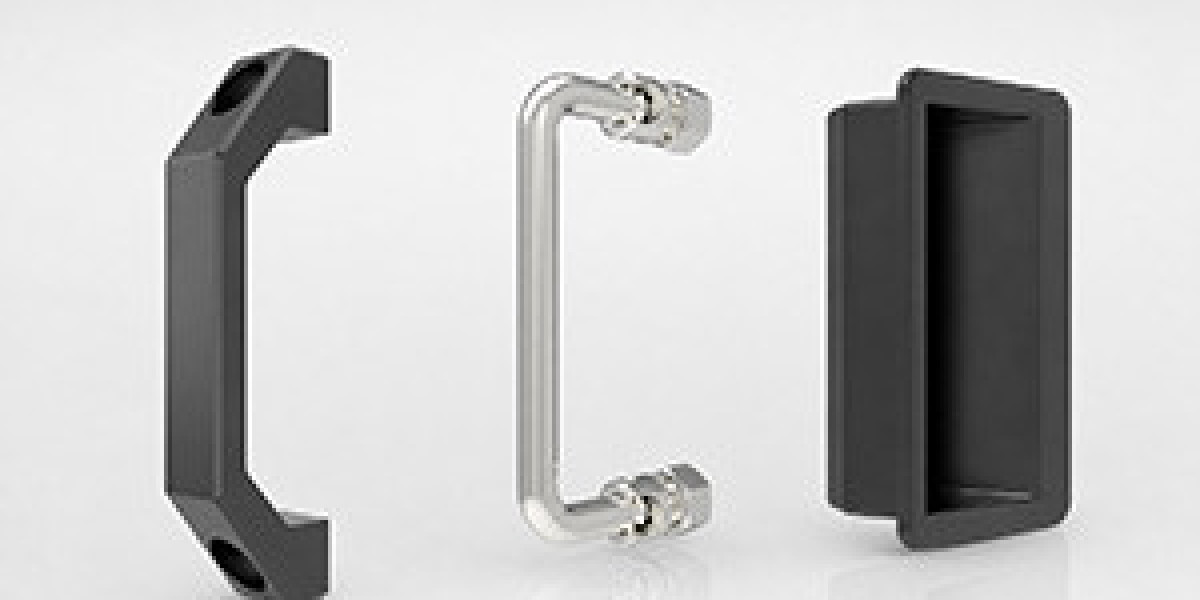

When people talk about industrial components, they often focus on motors, sensors, or control systems. Yet one of the most frequently used parts—the industrial handle—rarely gets the attention it deserves. After years of working with machinery and equipment across different environments, I’ve learned that the choice of an industrial handles manufacturer can influence not only usability but also safety, longevity, and even the overall impression of a product.To get more news about Industrial Handles Manufacturer, you can visit forndlock.com official website.
What Makes Industrial Handles Unique
Industrial handles are designed to withstand conditions that ordinary consumer hardware simply cannot. Whether installed on factory equipment, transport cases, medical devices, or heavy‑duty machinery, they must endure constant pulling, pushing, twisting, and exposure to dust, oils, moisture, and temperature fluctuations. A reputable manufacturer understands these demands and engineers handles with reinforced materials, ergonomic geometry, and surface treatments that resist corrosion and wear.
One detail I’ve come to appreciate is the subtle difference in grip texture. Some manufacturers use finely patterned surfaces that improve traction without feeling abrasive. Others apply soft‑touch coatings that make long‑term use more comfortable. These small choices reveal how much a manufacturer pays attention to real‑world usage rather than just technical specifications.
Material Choices and Their Impact
A high‑quality industrial handles manufacturer typically offers a range of materials—stainless steel, aluminum, reinforced plastics, zinc alloys, and composite blends. Each material has its own strengths:
Stainless steel provides exceptional durability and corrosion resistance, ideal for food processing or outdoor equipment.
Aluminum is lightweight yet strong, making it suitable for portable devices or transport cases.
Reinforced plastics offer versatility and cost efficiency while still delivering impressive strength.
Zinc alloys strike a balance between rigidity and aesthetic appeal.
In my experience, the best manufacturers don’t just list materials; they explain why a specific material suits a particular application. This level of guidance shows they understand the environments their customers work in.
Design Quality and Ergonomics
Industrial handles may seem simple, but their design can dramatically affect user experience. A well‑designed handle aligns with the natural motion of the hand, reducing strain during repetitive tasks. Some manufacturers incorporate rounded edges, recessed mounting points, or angled grips to improve comfort and stability.
One thing I always look for is how the handle feels when used with gloves. Many industrial environments require protective gear, and a handle that works well bare‑handed may feel slippery or awkward when gloves are involved. Manufacturers who test their products in realistic conditions tend to produce handles that perform consistently across different scenarios.
Manufacturing Standards and Reliability
A trustworthy industrial handles manufacturer usually adheres to strict quality control processes. This includes load testing, environmental testing, and surface treatment verification. When a manufacturer openly shares its testing standards, it signals confidence in its products.
Another sign of reliability is consistency. Over the years, I’ve noticed that the best manufacturers deliver identical quality across batches. This matters when you’re outfitting multiple units of equipment and need uniform performance.
Buying Advice: What to Look For
If you’re evaluating industrial handles for a project or procurement decision, consider the following factors:
Material suitability — Match the material to your environment and usage frequency.
Ergonomic design — Look for shapes that reduce strain and improve grip stability.
Mounting options — Ensure compatibility with your equipment’s structure.
Load capacity — Choose handles that exceed your expected stress levels.
Manufacturer reputation — Check for certifications, testing standards, and customer feedback.
I also recommend ordering a small sample batch before committing to a large purchase. Hands‑on testing often reveals nuances that specifications alone cannot capture.
Who Benefits Most from High‑Quality Industrial Handles
Industrial handles are used across many sectors, but certain user groups benefit especially from choosing a reputable manufacturer:
Manufacturers of heavy machinery who need handles that withstand constant stress.
Medical equipment designers who require hygienic, ergonomic components.
Logistics and transport companies that rely on durable handles for cases and containers.
Factory operators who need reliable grips for daily operations.
Product designers seeking handles that enhance both function and aesthetics.
In each case, the right handle improves safety, efficiency, and user satisfaction.
Personal Perspective
Over time, I’ve come to see industrial handles as more than simple accessories. They’re touchpoints—literally—between people and machines. When a handle feels solid, comfortable, and dependable, it subtly improves the user’s confidence in the entire piece of equipment. That’s why choosing the right industrial handles manufacturer is not just a technical decision but a practical one that affects daily workflow.
Final Thoughts
A great industrial handles manufacturer blends engineering precision with an understanding of human interaction. By focusing on materials, ergonomics, reliability, and real‑world performance, they create components that elevate the quality of any equipment they’re attached to. If you’re selecting industrial handles for your next project, take the time to evaluate manufacturers carefully. The difference between a good handle and a great one becomes clear the moment you reach for it.