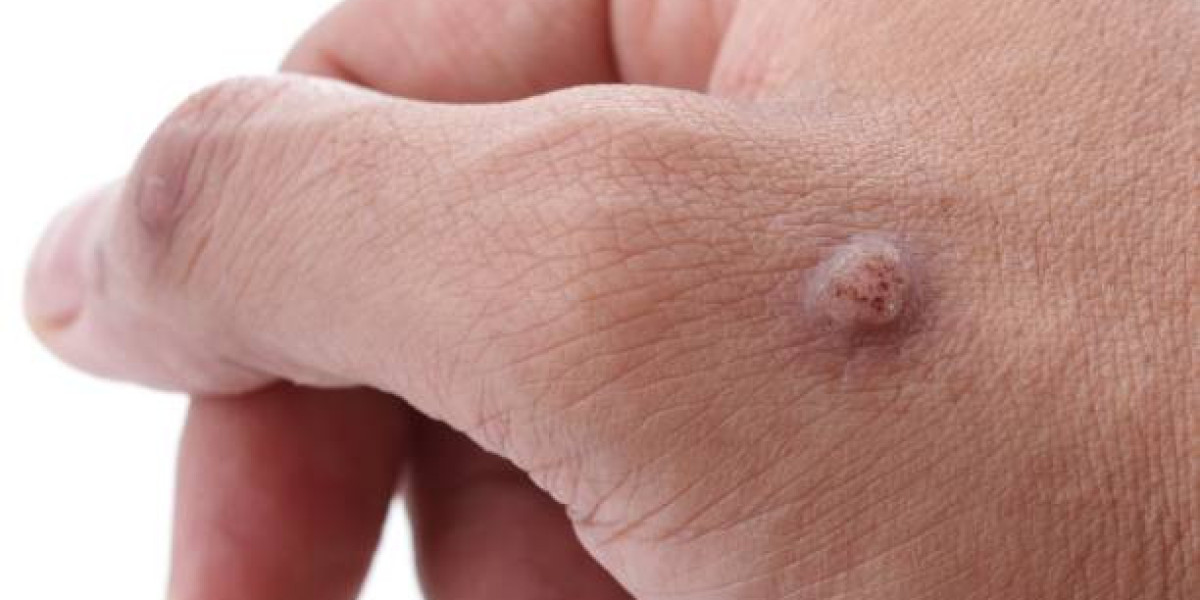

Warts are common skin growths caused by certain strains of human papillomavirus (HPV). Although they are usually harmless, they can become noticeable, uncomfortable, or persistent. Some people consider treatment because a wart affects their appearance, while others seek professional care because it causes irritation, pain, or repeated problems. For those exploring warts removal in riyadh, understanding both cosmetic and medical reasons for treatment can help determine when professional evaluation may be appropriate.
Cosmetic Reasons for Warts Removal
Visible warts can affect the overall appearance of the skin, particularly when they develop on the face, neck, hands, or other exposed areas. Their raised or rough texture may make the skin appear uneven. For some individuals, removing a noticeable wart can help create a smoother and more uniform-looking appearance. Warts Removal in Riyadh can be considered when an unwanted growth affects personal confidence or how comfortable someone feels about their appearance.
Improving Skin Appearance
A successful treatment can remove the visible wart and allow the affected area to heal. As the skin recovers, the treated area may appear smoother and more even. Results can vary depending on the wart's size, location, treatment method, and individual healing response.
Supporting Confidence
A visible wart may make some people feel self-conscious in photographs, social situations, or professional environments. Although the decision to remove a wart is personal, addressing an unwanted growth may help some individuals feel more comfortable with their appearance.
Medical Reasons for Warts Removal
Cosmetic concerns are not the only reason to consider treatment. Warts can sometimes cause physical discomfort, become repeatedly irritated, or spread to other areas. Professional evaluation can help determine whether treatment may be beneficial based on the individual's symptoms and circumstances.
Persistent Warts
Some warts remain for months or even years without disappearing naturally. A persistent wart may become frustrating, particularly if previous home treatments have not worked. Professional assessment can help identify an appropriate treatment approach.
Painful Warts
Warts located on the soles of the feet may become painful because of repeated pressure while walking or standing. Warts on the hands can also become irritated through frequent contact with objects. Treating a troublesome wart may help address the physical discomfort associated with the growth.
Warts That Keep Coming Back
Recurrence is possible because HPV may remain in the surrounding skin even after the visible wart has been removed. If a wart repeatedly returns, professional assessment may be useful to determine whether another treatment approach is appropriate.
Why Recurrence Should Be Evaluated
A recurring growth may require a different treatment method or additional sessions. A professional can assess whether the growth is a recurrence or a new wart and recommend suitable next steps.
Warts That Spread
Warts can spread from one area of the body to another through picking, scratching, shaving, or repeated contact. They can also spread between people through direct contact or shared personal items.
Reducing the Risk of Spread
Avoid picking or cutting warts, wash your hands after touching an affected area, and avoid sharing towels, razors, nail tools, socks, or footwear. Professional treatment may help address existing growths while good hygiene can reduce the risk of further transmission.
Choosing Professional Treatment
There is no single treatment that is suitable for every wart. Depending on its characteristics, a professional may consider cryotherapy, laser-based treatment, electrosurgery, or selected topical approaches.
Cryotherapy
Cryotherapy uses controlled freezing to target wart tissue. The treated area may temporarily become red, swollen, tender, or blistered as the skin begins to heal. The number of treatments needed depends on the individual wart and its response.
Laser-Based Treatment
Laser treatment uses concentrated energy to target selected wart tissue. It may be considered for certain persistent or difficult-to-treat growths. Professional assessment is important before deciding whether this approach is appropriate.
Electrosurgery
Electrosurgery uses controlled electrical energy to treat targeted wart tissue. It may be considered for selected stubborn warts and requires appropriate professional care and aftercare.
Why Professional Assessment Matters
Not every skin growth is a wart. A professional can examine the growth and consider its appearance, size, location, and history before recommending treatment. This helps avoid inappropriate treatment of another type of skin lesion.
Protecting Healthy Skin
Professional treatment aims to target the wart while considering the surrounding skin. This is particularly important for facial warts and growths near sensitive areas. Aggressive home removal can cause unnecessary irritation, injury, or infection.
What to Expect After Warts Removal
The treated area may experience temporary redness, swelling, tenderness, blistering, or peeling depending on the treatment method. These effects can be part of the normal healing process. Following aftercare instructions and avoiding picking or scratching can support recovery.
Supporting Better-Looking Results
Protecting the treated area from unnecessary friction and excessive sun exposure can be important during healing. Use skincare products only as recommended by your professional, especially while the skin remains sensitive.
Can Warts Return After Treatment?
Yes, recurrence is possible. Removing the visible wart does not necessarily eliminate HPV from the surrounding skin. New growths can also appear after further exposure to the virus. Maintaining good hygiene and avoiding contact with existing warts can help reduce the risk.
When Should You Consider Warts Removal?
Professional treatment may be worth considering when a wart is persistent, painful, repeatedly irritated, spreading, or affecting your confidence. A growth that changes rapidly, bleeds unexpectedly, or appears unusual should also be professionally assessed. Warts Removal in Riyadh can provide an opportunity to evaluate the growth and choose a treatment approach based on your individual needs.
Balancing Cosmetic and Medical Concerns
For some people, cosmetic and medical reasons overlap. A wart may be both visible and physically irritating, making treatment beneficial from more than one perspective. Discussing your concerns with a professional can help establish realistic expectations and determine whether treatment is appropriate.
Book an Appointment at Royal Clinic Saudia
If you are considering wart removal for cosmetic or medical reasons, Royal Clinic Saudia can assess your skin concerns and discuss suitable professional treatment options. Book an appointment to receive personalized guidance and take a step toward clearer, smoother, and healthier-looking skin.
FAQs:
Why do people choose wart removal for cosmetic reasons?
Visible warts can affect skin appearance and make some people feel self-conscious.
When is wart removal medically useful?
Treatment may be considered when warts are painful, persistent, irritated, or spreading.
Can wart removal improve skin appearance?
Successful treatment can help remove the visible growth and support smoother-looking skin after healing.
Can warts return after removal?
Yes, recurrence is possible because HPV may remain in the surrounding skin.