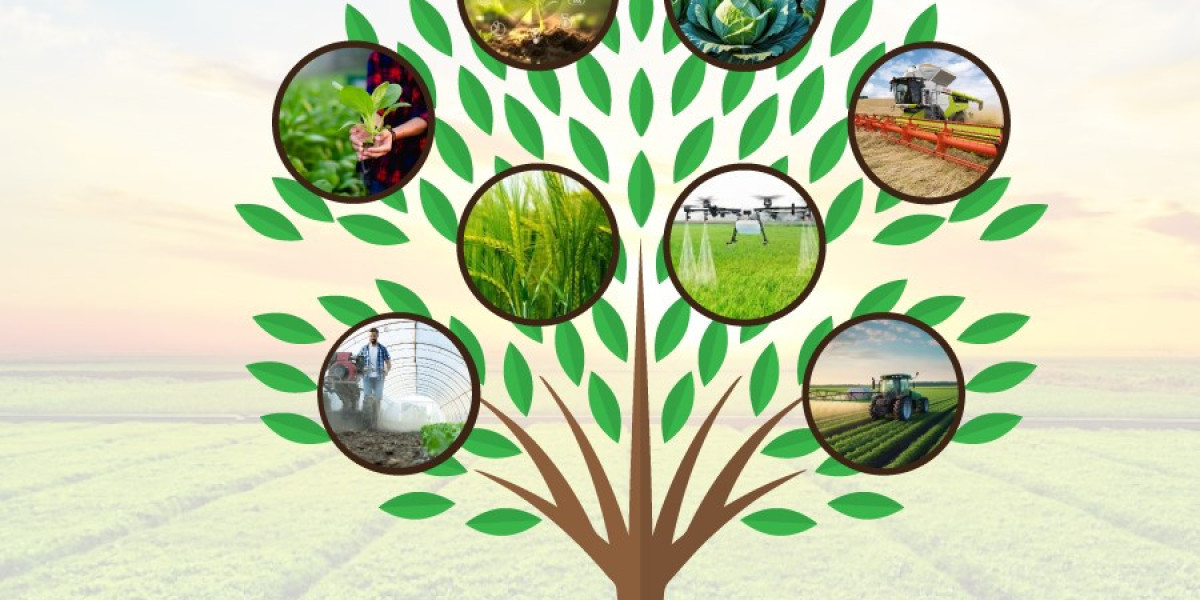

Agricultural Forestry Machinery Market is undergoing steady transformation as farming and forestry businesses increasingly adopt modern equipment to improve productivity, efficiency, and operational flexibility. Machinery has become an essential part of large-scale agricultural and forestry operations, supporting activities that would otherwise require significant manual effort. Modern equipment is being developed with improved performance, enhanced safety, and advanced digital capabilities. The growing adoption of mechanization is helping operators manage larger working areas while maintaining consistent operational standards. As businesses continue modernizing their production systems, demand for versatile and technology-enabled machinery is expected to remain an important factor shaping the industry.
The increasing focus on efficient land and forest management is encouraging operators to adopt equipment designed for specialized tasks and demanding working conditions. Businesses are seeking machinery that can improve productivity while supporting better resource management. The adoption of smart agricultural machinery systems is helping farmers and forestry professionals integrate advanced technologies into everyday operations. These systems can combine machinery with digital monitoring, positioning, and automated controls to improve operational visibility. As smart farming and forestry practices continue developing, intelligent machinery is becoming increasingly valuable for businesses seeking improved control and efficiency.
Labor availability is another factor encouraging greater mechanization across agricultural and forestry operations. Many tasks require substantial physical effort and can be difficult to perform efficiently using manual methods alone. Advanced machinery can reduce the workload associated with harvesting, transportation, cultivation, vegetation management, and land preparation. Improved operator cabins, controls, and safety systems are also helping make machinery more comfortable and practical for extended use. As businesses seek ways to maintain productivity despite workforce challenges, investments in modern equipment are becoming an increasingly important operational strategy.
The development of connected machinery is creating new opportunities for improving equipment management. Modern machines can incorporate sensors and digital systems that collect information about operating conditions, maintenance requirements, and performance. This information can help operators identify potential issues and plan maintenance activities more effectively. Connected fleet management can also help businesses understand how machinery is being used across different locations. These capabilities are supporting a shift toward more data-driven equipment management. As connectivity becomes increasingly common, machinery manufacturers are expected to focus more heavily on digital features that improve operational efficiency and equipment reliability.
Sustainability is increasingly becoming part of machinery development and purchasing decisions. Agricultural and forestry operators are looking for ways to improve productivity while managing environmental considerations. Manufacturers are responding through improved fuel efficiency, alternative power systems, optimized machine components, and more precise operating technologies. Electrification may provide opportunities in selected machinery categories, while hybrid systems can offer alternative approaches where operating conditions require additional power. These developments are encouraging the industry to explore equipment solutions that balance performance, durability, and environmental responsibility.
The growing demand for adaptable equipment is also supporting innovation in machinery design. Agricultural and forestry operations can change according to seasonal requirements, terrain, crop types, forest conditions, and specific operational objectives. Equipment that can accommodate different attachments or perform multiple tasks can provide greater flexibility for operators. Manufacturers are therefore developing modular platforms and specialized attachments that expand machine functionality. This approach can help businesses adapt equipment to changing requirements and improve overall utilization. The demand for flexible machinery is expected to remain an important development as operators seek practical and efficient equipment solutions.
The future of the Agricultural Forestry Machinery Market will be influenced by smart farming, mechanization, connected equipment, sustainability, labor optimization, and multifunctional machinery. Manufacturers that combine advanced digital capabilities with durable mechanical performance will have opportunities to address the evolving requirements of agricultural and forestry businesses. As operations continue becoming more automated and data-driven, intelligent equipment will play an increasingly important role in productivity and resource management. Continued investment in innovative machinery, alternative power technologies, and connected systems will support the industry's transition toward more efficient, flexible, and sustainable agricultural and forestry operations.
Frequently Asked Questions
Q1. Why is smart machinery gaining importance in agriculture and forestry?
Ans: Smart machinery can improve monitoring, operational control, automation, productivity, and resource management.
Q2. How can connected equipment help operators?
Ans: Connected equipment can provide information about machine performance, maintenance requirements, operating conditions, and fleet utilization.
Q3. What will shape the future of agricultural forestry machinery?
Ans: Mechanization, smart technologies, sustainability, alternative power systems, automation, and multifunctional equipment will influence future development.