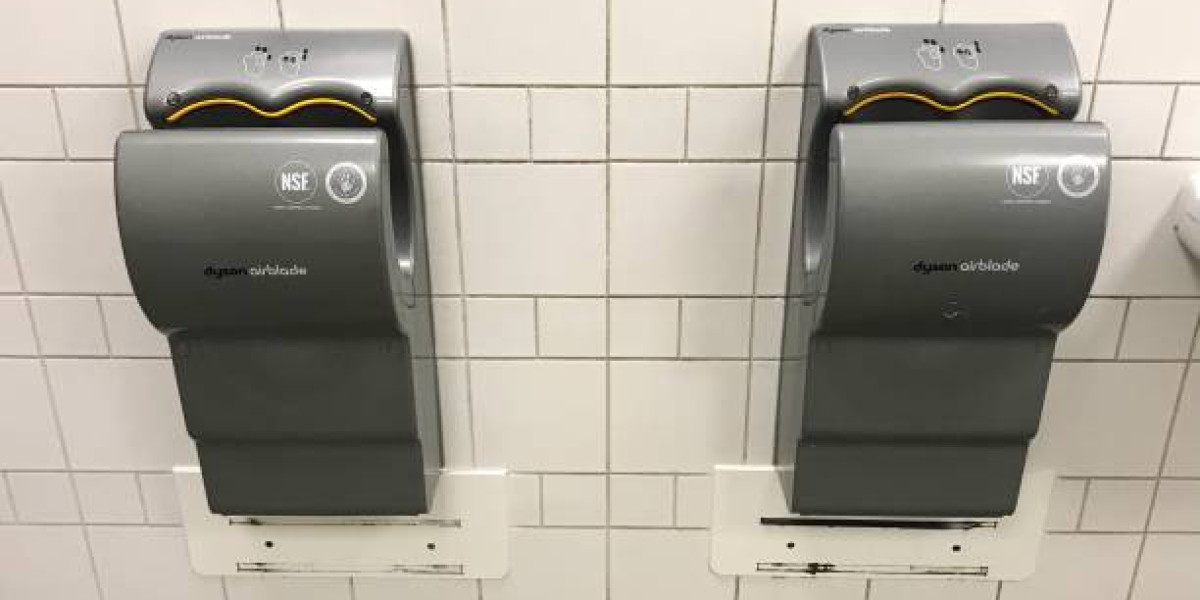

Air Blade Dryer Market is witnessing continued development as smart production, automation, and industrial efficiency become increasingly important to manufacturers. Air blade dryers provide a contactless drying method that uses directed airflow to remove moisture from product surfaces. Their ability to operate within continuous production environments makes them suitable for businesses seeking improved process consistency and reduced manual handling. The increasing adoption of automated manufacturing systems is encouraging industries to integrate advanced drying technologies into their production lines. These developments are supporting broader interest in air blade dryers as manufacturers look for reliable and adaptable solutions for modern industrial operations.
The transition toward smart manufacturing is increasing demand for drying technologies that can operate efficiently alongside automated machinery and digital production systems. Manufacturers are seeking equipment that supports consistent moisture removal while fitting seamlessly into existing workflows. The adoption of smart industrial drying systems is helping businesses modernize drying operations through improved automation compatibility and process control. These systems can support continuous production while reducing the need for manual drying activities. As factories become increasingly connected and automated, smart drying equipment is gaining importance as part of integrated manufacturing infrastructure.
The growth of automated production is encouraging manufacturers to reconsider traditional drying methods. Manual processes can create inconsistencies and may require additional handling, particularly in high-throughput operations. Air blade dryers offer a contactless approach that can be incorporated into conveyor-based systems, allowing products to pass through a drying stage without stopping production. This capability can support more consistent workflows and improve process coordination. The increasing emphasis on continuous manufacturing is therefore creating favorable opportunities for air blade drying technologies across industries that require reliable surface moisture removal.
Advanced controls and equipment monitoring are contributing to the development of more intelligent drying systems. Manufacturers are incorporating adjustable operating parameters and improved control mechanisms to help optimize airflow according to production requirements. These features can make drying systems more adaptable to different products and processing conditions. Integration with broader factory automation can also allow equipment operation to become part of a coordinated production process. These advancements are helping transform air blade dryers from standalone machinery into more integrated components of modern manufacturing systems.
Sustainability and operational efficiency are also influencing equipment development. Industrial companies are increasingly interested in technologies that support efficient production while managing energy and resource requirements. Manufacturers of air blade dryers are focusing on airflow optimization, efficient components, and improved equipment configuration to support these objectives. Better system design can contribute to effective moisture removal while helping businesses manage operational requirements. This growing emphasis on efficiency is encouraging companies to evaluate drying equipment as part of wider sustainability and manufacturing optimization strategies.
The expansion of smart factories is creating opportunities for air blade dryer manufacturers to develop increasingly connected and adaptable equipment. Modern production facilities use sensors, automated controls, digital monitoring, and interconnected machinery to improve operational visibility. Air blade dryers can complement these systems by providing automated surface drying within production workflows. Equipment manufacturers are also exploring customized configurations to address specific production requirements. The combination of intelligent controls, flexible designs, and automated operation is helping expand the potential applications of air blade drying technologies.
The future of the Air Blade Dryer Market will be shaped by smart manufacturing, automation, equipment innovation, process efficiency, and demand for integrated industrial technologies. Manufacturers that focus on intelligent controls, adaptable configurations, reliable airflow performance, and efficient operation will have opportunities to meet changing industrial requirements. As production facilities continue transitioning toward connected and automated systems, air blade dryers are expected to become increasingly integrated into broader manufacturing workflows. Continued technological advancement will support their role in improving drying consistency, production efficiency, and modern industrial process management.
Frequently Asked Questions
Q1. How do air blade dryers support smart production?
Ans: They can be integrated into automated production lines and operate with controlled airflow and advanced equipment controls.
Q2. What makes air blade drying a contactless process?
Ans: The drying effect is produced through high-velocity directed airflow rather than direct mechanical contact with the product.
Q3. What factors will influence future air blade dryer development?
Ans: Automation, smart manufacturing, airflow optimization, operational efficiency, and adaptable equipment design will influence future development.