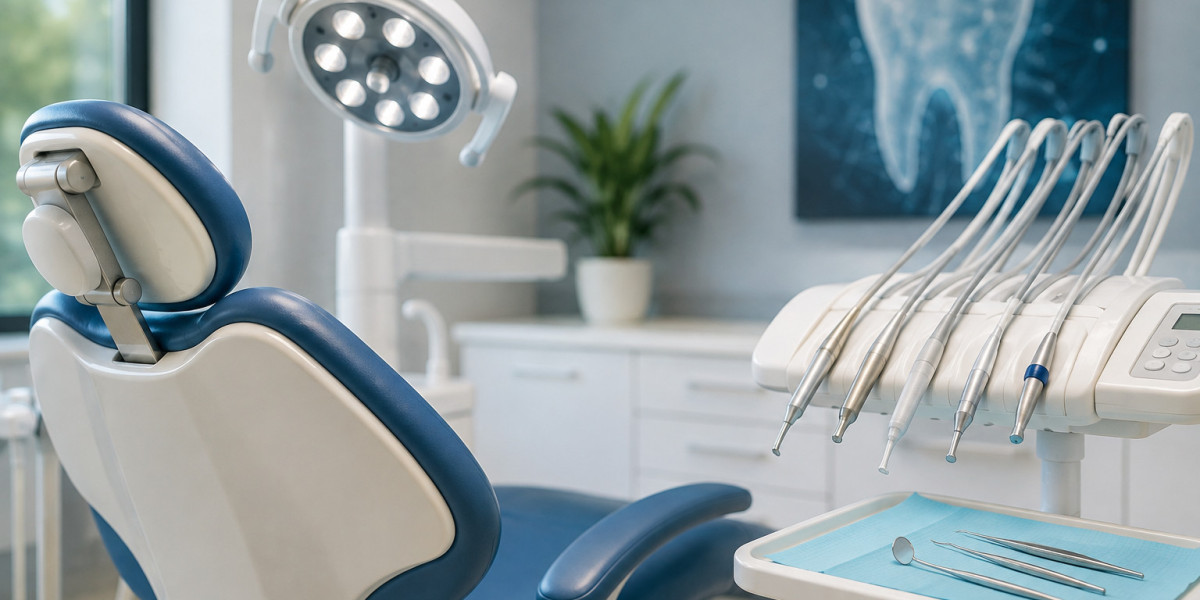

An emergency dental clinic charlotte nc can provide prompt evaluation when severe tooth pain, swelling, infection, broken teeth, or dental trauma cannot reasonably wait for a routine appointment. Dental emergencies can develop suddenly and may become more difficult to manage when treatment is delayed. For Charlotte residents experiencing an urgent oral health problem, knowing when to seek professional care can help protect both comfort and overall oral health.
Dental emergencies are more common than many people realize. According to the Centers for Disease Control and Prevention (CDC), tooth disorders accounted for an average of approximately 1.94 million emergency department visits each year in the United States during 2020–2022. The same report notes that about 1 in 5 adults ages 20–64 has at least one untreated cavity, showing why prompt access to dental treatment remains important.
What Is Considered a Dental Emergency?
A dental emergency generally involves pain, injury, infection, bleeding, or damage that requires timely professional assessment. Not every dental problem requires immediate treatment, but certain symptoms should not be ignored.
Common dental emergencies include:
- Severe or persistent toothache
- Facial or gum swelling
- Dental abscess or signs of infection
- A knocked-out permanent tooth
- A badly broken or cracked tooth
- Significant bleeding after dental trauma
- A dental crown, filling, or bridge that has become severely damaged
- Pain that makes eating or sleeping difficult
- Injury to the mouth, jaw, or surrounding teeth
The American Dental Association recommends that dental practices have procedures for identifying true emergencies and helping patients obtain appropriate care. It also emphasizes that patients experiencing pain should receive reassurance and relief when possible.
Why Severe Tooth Pain Should Not Be Ignored
Tooth pain is often a warning that something beneath the surface requires attention. Cavities, damaged fillings, cracked teeth, gum disease, or infections can affect deeper structures of a tooth.
Pain may temporarily decrease, but that does not necessarily mean the underlying problem has disappeared. An infection, for example, can continue progressing even when symptoms fluctuate. Professional examination helps determine the cause and whether treatment such as restoration, root canal therapy, drainage, or extraction may be appropriate.
The CDC reports that untreated dental disease can contribute to pain and infection and may result in unplanned emergency care. Its recent national data also found that adults ages 25–34 accounted for the largest share of emergency department visits for tooth disorders during 2020–2022, at 29.2%.
Dental Emergencies Caused by Injury
Accidents involving sports, falls, vehicle incidents, or everyday activities can cause sudden dental trauma. A tooth may become chipped, fractured, displaced, or completely knocked out.
When a permanent tooth is knocked out, time can be particularly important. The tooth should be handled carefully by the crown rather than the root and professional dental assistance should be sought as quickly as possible.
For facial injuries involving heavy bleeding, difficulty breathing, loss of consciousness, or other potentially life-threatening symptoms, emergency medical services or a hospital emergency department may be more appropriate than a dental office.
Signs of a Possible Dental Infection
A dental infection can develop from untreated decay, trauma, or other damage. Warning signs may include swelling around the tooth or jaw, persistent throbbing pain, sensitivity, a bad taste in the mouth, pus, fever, or difficulty opening the mouth.
Some infections can become serious if they spread beyond the original area. For this reason, significant swelling, fever, difficulty swallowing, or difficulty breathing should be treated as urgent concerns.
The ADA notes that dental offices should have plans for recognizing and responding to emergencies and that life-threatening situations should be directed to emergency medical care.
Why Choosing Local Emergency Dental Care Matters
For people living or working in Charlotte, having access to urgent dental care close to home can make it easier to respond quickly when unexpected symptoms appear. Local care can also reduce the need to rely solely on a hospital emergency department for problems that require dental treatment.
The ADA reports that millions of people in the United States visit hospital emergency departments for dental pain, while many of these cases can be directed toward dental providers who can address the underlying oral health problem.
A local provider can evaluate the condition, identify the likely cause, explain treatment options, and determine whether additional dental or medical care is necessary.
What to Do Before Your Appointment
While waiting to be evaluated, patients should avoid attempting to repair a damaged tooth themselves. Keep the affected area as clean as possible and follow professional instructions regarding pain management.
If a tooth has been knocked out, handle it carefully and seek dental assistance immediately. If swelling or infection is suspected, do not rely on home remedies as a substitute for professional evaluation.
Most importantly, do not delay care simply because symptoms temporarily improve. Dental conditions can change quickly, particularly when infection or significant trauma is involved.
How to Reduce the Risk of Future Dental Emergencies
Many urgent dental problems can be reduced through consistent preventive care. Regular examinations allow dentists to identify cavities, damaged restorations, gum problems, and other concerns before they become severe.
Good daily habits also matter. Brushing twice daily with fluoride toothpaste, cleaning between teeth, limiting frequent sugary foods and drinks, wearing appropriate protection during contact sports, and maintaining regular dental visits can all support healthier teeth and gums.
Prevention is especially valuable because untreated dental disease can affect daily activities. CDC data estimates that unplanned dental care contributes to approximately 34 million lost school hours each year, while untreated dental disease is associated with more than $45 billion in lost productivity annually in the United States.
When to Seek Immediate Help in Charlotte
If you experience intense tooth pain, significant swelling, dental trauma, uncontrolled bleeding, or symptoms suggesting infection, contacting a qualified dental professional promptly is an important step. Early assessment can help determine the seriousness of the problem and prevent unnecessary progression.
For Charlotte-area patients seeking urgent dental attention, Emergency Dentist Charlotte provides dental care information and services from its location at 1824 East Arbors Drive, Charlotte, NC.
Final Thoughts
Dental emergencies should never be dismissed as ordinary tooth discomfort when symptoms are severe, sudden, or worsening. Understanding the warning signs and knowing where to obtain professional assistance can make a significant difference during an urgent situation.
For residents searching for reliable local dental assistance, Emergency Dentist Charlotte offers a convenient Charlotte location for addressing urgent dental concerns. Acting promptly can help reduce discomfort, identify the underlying problem, and support a faster path toward appropriate treatment.