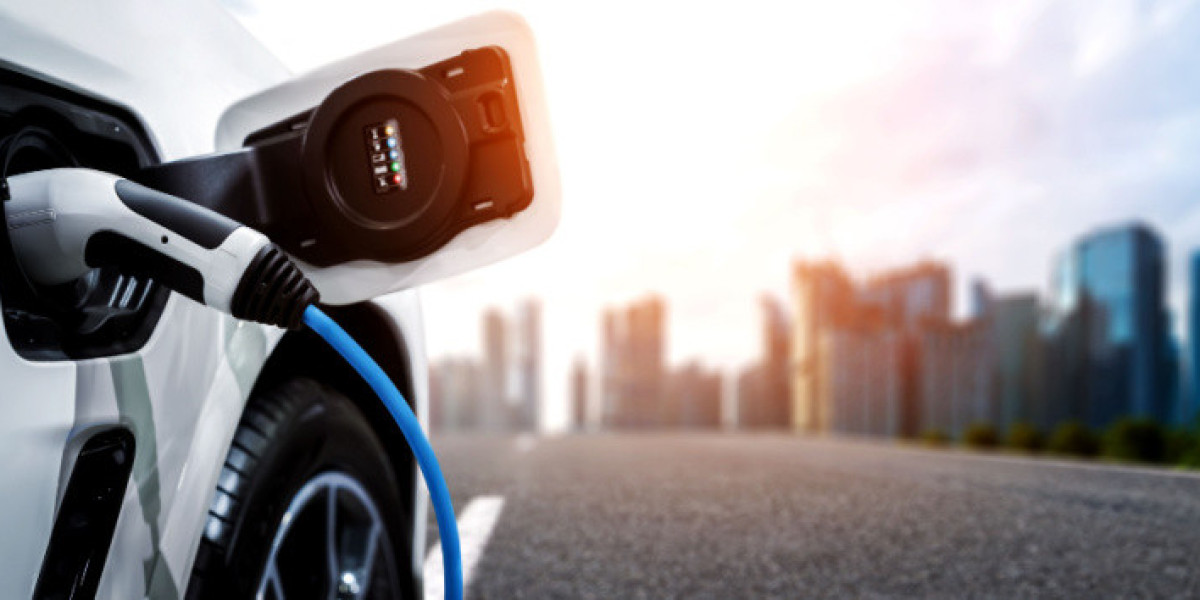

Car scrapping has never been a simple process, yet it has always played an important role in the lifecycle of every vehicle. For many years, scrap yards processed old cars in a way that rarely changed. Cars arrived with worn engines, rusted frames, and parts that had reached the end of their working life. They were sorted, pulled apart, and recycled to recover metals and useful components. The arrival of electric vehicles has pushed this world into a new chapter. Many people still picture scrap yards as places filled with rows of old petrol and diesel cars, but the rise of electric models has rewritten this picture in ways that few expected.
Electric vehicles bring new materials, new challenges, and new opportunities. Their structure, weight, and technology differ from traditional cars, so the process of breaking them down is changing the work inside scrap yards across Australia and across the world. Many of these changes are shaping the future of recycling, and they are influencing how the automotive industry handles end-of-life cars. This shift is not only about scrapping old machines. It is about how society deals with modern technology once it passes its final kilometre. Learn more: https://www.webuycarsforcash.com.au/
How Traditional Car Scrapping Worked
For decades, scrap yards followed similar steps when handling old cars. Workers drained fluids, removed parts that still held some use, and separated metals like steel, aluminium, and copper. Engines and gearboxes were often taken out first because they carried the most metal weight. The shell of the car was then crushed and sent to metal recyclers. This system worked because petrol and diesel cars shared the same broad structure. Most scrap yards needed only basic tools and machinery to complete the job.
This process created a steady flow of recycled metal that fed into construction, manufacturing, and industrial work. Countries with strong recycling programs reduced waste and kept many older cars out of landfill. The method may have been simple, but it served a clear purpose. Nothing about it prepared the industry for the sudden rise of electric technology.
The Entry of Electric Vehicles and What Changed
Cash for scrap electric cars do not behave like traditional cars, and the scrapping process reflects that difference. They do not carry engines with pistons or fuel systems that must be drained. Their heaviest component is their large battery pack, and this part shapes almost everything that happens during dismantling. Many scrap yards had to learn new safety steps because the battery inside an electric car stores a large amount of energy. Workers must prevent heat, pressure, or damage from triggering a chemical reaction. This has pushed the industry to improve training and adopt new handling methods.
The battery is not the only change. Electric cars contain more wiring, more sensors, and more specialised parts. Each of these must be handled with care so that they can be sorted properly. Scrap yards can no longer rely on the same approach they used for older cars. They are now dealing with materials that do not behave the same way as steel and aluminium. This change has encouraged many yards to build new sections dedicated to high-voltage components.
Why Batteries Have Become the Centre of Car Scrapping
The battery inside an electric car holds more significance than any other part. It contains metals like lithium, cobalt, nickel, and manganese. These materials are important for technology companies and car makers, and they play a key role in the global shift toward cleaner transport. Analysts from the International Energy Agency reported that demand for battery metals has grown year after year as more electric cars reach global roads. This growth has forced recyclers to rethink how they collect and sort materials.
Battery recycling is a detailed process. Workers must remove the pack from the car without damaging it. They then follow a method to separate the internal cells and extract the metals. These metals can be reused to create new batteries. This cycle reduces the need for mining and helps protect natural environments from further disruption. Many countries encourage this recycling work because it supports long-term sustainability goals.
Recycling batteries also reduces the risk of chemical waste. If a battery is not handled correctly, it can release harmful substances into soil and water. Scrap yards today play a vital role in preventing this damage.
How Scrap Yards Are Adapting to the New Era
Scrap yards in Australia have seen a steady rise in electric cars reaching their gates. While the number is still smaller than traditional cars, it is increasing every year. This growth has encouraged yards to invest in better tools, improved storage areas, and dedicated training for workers who handle electric models. These changes ensure that the scrapping process runs safely and that valuable materials are recovered without loss.
Workers are also gaining a deeper understanding of how to sort electric parts. Items like electric motors, controllers, and charging units can be recovered and sold for reuse. This reuse market is still growing, but it already plays a strong role in keeping old electric cars from turning into waste.
The Journey From Wreck to Resource
Every electric car that reaches a scrap yard tells a story. It may have been involved in a collision, suffered battery failure, or simply reached its final years. Once inside a yard, the car goes through a journey that turns it from a wreck into a new source of materials. The metal frame is still recycled, just like older cars. The battery is removed and either reused or sent for specialised recycling. The wiring, sensors, and electronic parts are sorted so that repair shops and manufacturers can put them to use again.
This journey helps reduce waste and keeps important materials within circulation. Many experts believe that electric vehicle recycling will become one of the strongest parts of the automotive industry over the next decade. As more electric cars reach the end of their life, the number entering scrap yards will rise sharply.
The Future of Car Scrapping and the Role of Technology
Electric cars have reshaped how the automotive world thinks about recycling. Many companies are working on new methods to recover metals more efficiently. Some research teams in Europe and Asia are testing ways to improve battery life so that packs can be reused for solar storage rather than being recycled immediately. These developments show how the scrapping industry and the technology world are moving closer together.
Scrap yards may soon use digital tracking systems that record where each part of a car ends up. This would help improve recycling rates and reduce waste. It may also help manufacturers design electric cars that are easier to dismantle. This connection between design and recycling will shape the direction of the entire industry.
The Changing View of the Public
Many drivers once believed that scrapping a car marked the end of its story. Today, people are learning that the materials inside old electric cars continue their journey long after the wheels stop turning. This shift in understanding supports recycling programs and encourages responsible behaviour across the automotive community.
Some drivers are also discovering that old electric cars still carry strong material worth. This has brought more attention to recycling programs related to cash for scrap electric cars. The public interest in sustainability is growing, and electric vehicle scrapping plays a large part in that story.
Conclusion
Electric vehicles have changed car scrapping forever. They have pushed scrap yards to grow, to learn, and to rethink how they deal with modern technology. They have introduced new materials, new safety steps, and new opportunities for recycling. The work done inside scrap yards now plays a central role in shaping a cleaner and more responsible automotive future. As more electric cars reach the end of their life, the recycling world will continue to evolve, and the lessons learned from electric models will guide the next generation of automotive progress.