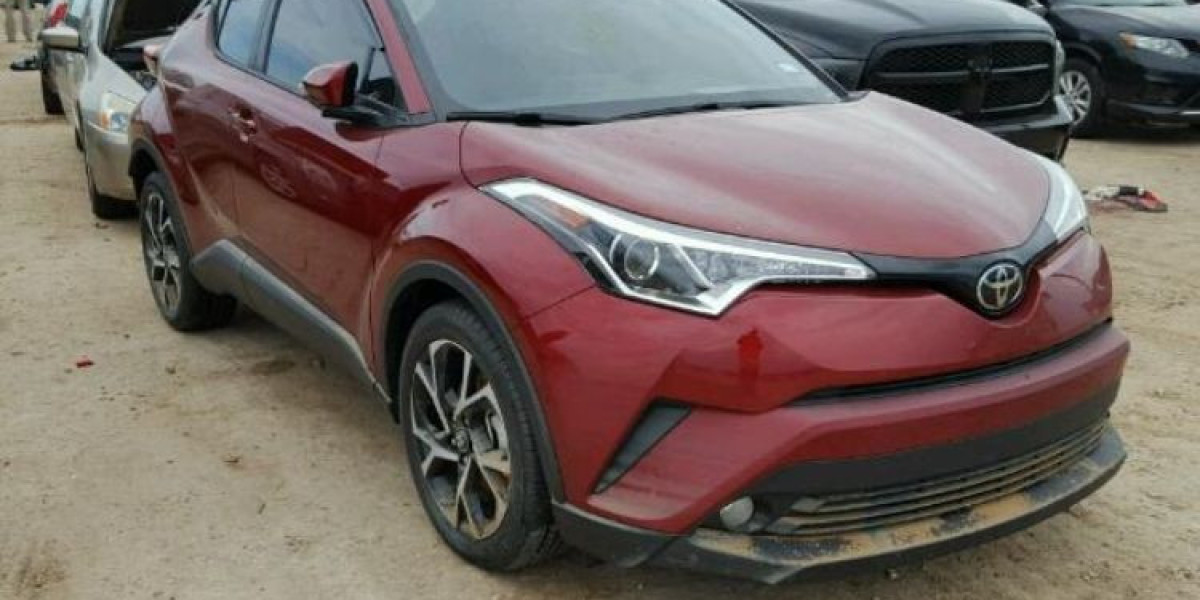

Let me share something that'll probably resonate with you. Last month, my mate Dave called me, frustrated beyond belief. He'd just sold his 2004 Holden Commodore to the first scrap buyer who turned up at his door. Got $200 for it. Three days later, he discovered his neighbour received $850 for a similar vehicle from a different buyer. The difference? Dave didn't do his homework.
This scenario plays out across Sydney every single day. Vehicle owners leave thousands of dollars on the table simply because they don't understand how the scrap car industry actually works. The market for end-of-life vehicles in Australia is worth over $1.2 billion annually, yet most people treat their old cars like rubbish rather than the valuable commodity they truly are.
Here's the reality: your clapped-out car sitting in the garage isn't worthless. Whether it's been written off, failed rego inspection, or simply reached the end of its useful life, that vehicle contains metals, parts, and materials worth real money. The key is understanding how to extract maximum value. When you're looking to get genuine cash for scrap cars Sydney buyers are willing to pay top dollar—but only if you know how to negotiate and who to approach.
Understanding What Makes Your Scrap Car Valuable
Before we dive into maximising your return, you need to understand what buyers actually want. Scrap car value isn't arbitrary—it's based on specific factors that you can identify and leverage.
Metal Content Matters Most
The primary value in any scrap vehicle comes from its metal composition. Steel, aluminium, copper, and platinum group metals from catalytic converters all have market value. A typical passenger vehicle contains approximately 1,200 kilograms of steel and 120 kilograms of aluminium. With metal prices fluctuating daily on commodity markets, timing your sale can mean a difference of hundreds of dollars.
According to the Australian Bureau of Statistics, metal recycling contributes approximately $5.8 billion to the national economy. Your car is part of that equation. When metal prices surge—as they did in 2021 when steel prices increased by 47%—smart sellers capitalise on the timing.
Working Parts Command Premium Prices
Beyond metal, functional components significantly boost value. Engines, transmissions, electronics, and even smaller parts like mirrors, bumpers, and doors can be worth more intact than crushed. A working engine from a popular model might fetch $500-$1,500 alone. Quality tyres? Another $100-$200. GPS navigation systems, entertainment consoles, and leather seats all add value.
Wreckers and dismantlers actively seek vehicles with salvageable parts because they can resell these components to repair shops and DIY mechanics for considerably more than scrap metal prices.
Vehicle Make, Model, and Demand
Not all cars are created equal in the scrap market. Toyota Camrys, Holden Commodores, and Ford Falcons typically command higher prices because parts demand remains strong. European luxury vehicles often have valuable components despite potentially being difficult to maintain when operational. Conversely, obscure imports or models discontinued decades ago might only be worth their weight in metal.
The Five Crucial Mistakes That Cost You Money
Mistake #1: Accepting the First Offer
This is Dave's mistake, and it's incredibly common. The first buyer who offers to collect your car is banking on your ignorance and desire for convenience. They know most people won't shop around.
Research from consumer advocacy groups shows that Australians who obtain three or more quotes for scrap vehicles receive on average 35-50% more than those who accept the first offer. That's not pocket change—on an $800 car, we're talking about an additional $280-$400.
Mistake #2: Leaving Personal Items and Valuable Parts
I've heard stories of people leaving expensive sound systems, GPS devices, and tools in vehicles they've scrapped. One bloke even forgot his fishing gear worth $600 in the boot. Before your car leaves your property, strip anything that isn't bolted down. Check the glove box, under seats, in the boot, and any storage compartments.
If you're mechanically inclined, consider removing and selling high-value parts independently. Catalytic converters, for instance, can be sold directly to specialist recyclers for significantly more than you'd get by leaving them attached.
Mistake #3: Failing to Understand Your Paperwork Rights
In New South Wales, proper transfer of vehicle ownership protects you from future liability. If your scrap buyer doesn't properly transfer registration, you could be held responsible for parking fines or even criminal activity involving your old vehicle.
Legitimate buyers will complete a Notice of Disposal form and provide you with a receipt. They should also handle deregistration. Never hand over your car without documentation proving the sale and transfer of ownership.
Mistake #4: Ignoring the Condition Upgrade Potential
Sometimes spending $50-$100 can net you $300-$500 more. If your car doesn't start because of a dead battery, replacing it might cost $100 but could increase value by $350 because running vehicles fetch premium prices. Similarly, if your car has a flat tyre preventing it from rolling, fixing it might increase towing convenience for the buyer, translating to a better offer.
Evaluate whether minor fixes could bump your car from "non-runner" to "runner" category. The price differential can be substantial.
Mistake #5: Not Knowing Current Metal Prices
Metal markets fluctuate constantly. Steel prices, which largely determine scrap car values, can vary by 20-30% throughout the year. Checking current scrap metal rates before negotiating gives you leverage. When a buyer offers $350 and you know current rates should net you $550, you have grounds to negotiate or walk away.
The Strategic Approach to Maximising Your Return
Get Multiple Quotes (But Do It Smart)
Don't just call five companies and accept the highest number. Ask detailed questions that reveal what you're actually getting:
- Is the price guaranteed or subject to inspection changes?
- Who pays for towing and when?
- How quickly can they collect?
- What documentation do they provide?
- Do they handle deregistration?
Quality buyers provide transparent answers. Dodgy operators hedge with vague responses that allow them to reduce prices upon arrival.
Timing Your Sale Strategically
If your car isn't causing immediate problems (blocking your garage, costing you money, etc.), you can afford to wait for better market conditions. Monitor metal prices through industry websites. When prices trend upward, that's your window to sell.
Additionally, end-of-financial-year periods often see increased demand as businesses rush to meet targets. This can work in your favour.
Present Your Vehicle Honestly But Favourably
When buyers ask about condition, be honest—lying will cost you when they arrive and reduce their offer. However, presentation matters. If possible, have the car accessible, clean out rubbish, and be prepared to demonstrate what works. A buyer who can easily inspect and see potential is more likely to offer a fair price than one confronted with a rubbish-filled car buried behind garden equipment.
Leverage Competition
Once you've narrowed down to two or three serious buyers, let them know you're considering multiple offers. You don't need to be aggressive, but a simple "I've got another quote for $X, can you match or better it?" often works. Legitimate businesses understand market competition and would rather match a fair price than lose a sale.
Consider Selling Parts Independently
This requires more effort but can significantly increase returns. Popular parts that sell well independently include:
- Catalytic converters
- Wheels and tyres in good condition
- Engine and transmission (if working)
- Entertainment systems
- Seats and interior components
- Body panels without damage
Facebook Marketplace, Gumtree, and specialist forums are active marketplaces. Yes, it's more work than one-and-done scrapping, but your $600 scrap car might net you $1,200+ with smart part-out sales.
Red Flags: Avoiding Scrap Car Scams
The scrap car industry, like any cash-based business, attracts some unsavoury operators. Protect yourself by watching for warning signs:
The Lowball Switch: They quote $700 over the phone, arrive, then find "unexpected problems" reducing the price to $300. Combat this by getting written quotes and having backup buyers ready.
The Towing Fee Surprise: The quoted price is suddenly "minus towing fees" they never mentioned. Legitimate buyers include free towing or state costs upfront.
The Documentation Dodge: They want to take your car without completing proper transfer paperwork. This leaves you liable for future issues. Never release your vehicle without documentation.
The Pressure Tactic: They create urgency—"This price is only good for the next hour" or "I've got another pickup nearby so I need to decide now." Walk away. Legitimate buyers don't use high-pressure sales tactics.
The Environmental and Economic Benefits You're Creating
Scrapping your car responsibly isn't just about the money in your pocket—it's genuinely beneficial for the environment and economy. Australia recycles approximately 95% of end-of-life vehicles, one of the highest rates globally. This recycling:
- Reduces mining demand for new metals
- Decreases energy consumption by up to 74% compared to virgin metal production
- Prevents hazardous materials from contaminating soil and water
- Supports thousands of jobs in the recycling and automotive sectors
- Keeps valuable materials in the circular economy
When you sell to licensed, reputable recyclers, you're contributing to this positive impact. It's worth choosing buyers who follow environmental regulations even if they're not the absolute highest bidder.
Making Your Decision: The Bottom Line
Maximising cash for your scrap car comes down to preparation, research, and patience. The difference between giving it away and getting fair value isn't luck—it's strategy.
Start by honestly assessing your vehicle's condition and potential value. Gather multiple quotes from licensed operators. Check current metal prices to understand market baseline. Remove personal items and consider whether minor repairs or independent part sales make financial sense. Ensure proper documentation protects you from future liability.
Most importantly, remember that your old car has real value. Don't let convenience or lack of knowledge cost you hundreds of dollars. The Australian scrap car market is competitive, which works in your favour if you're willing to do basic homework.
Your clapped-out Commodore or written-off Corolla might not turn heads anymore, but it's still worth real money to the right buyer. Make sure that money ends up where it belongs—in your pocket, not theirs.